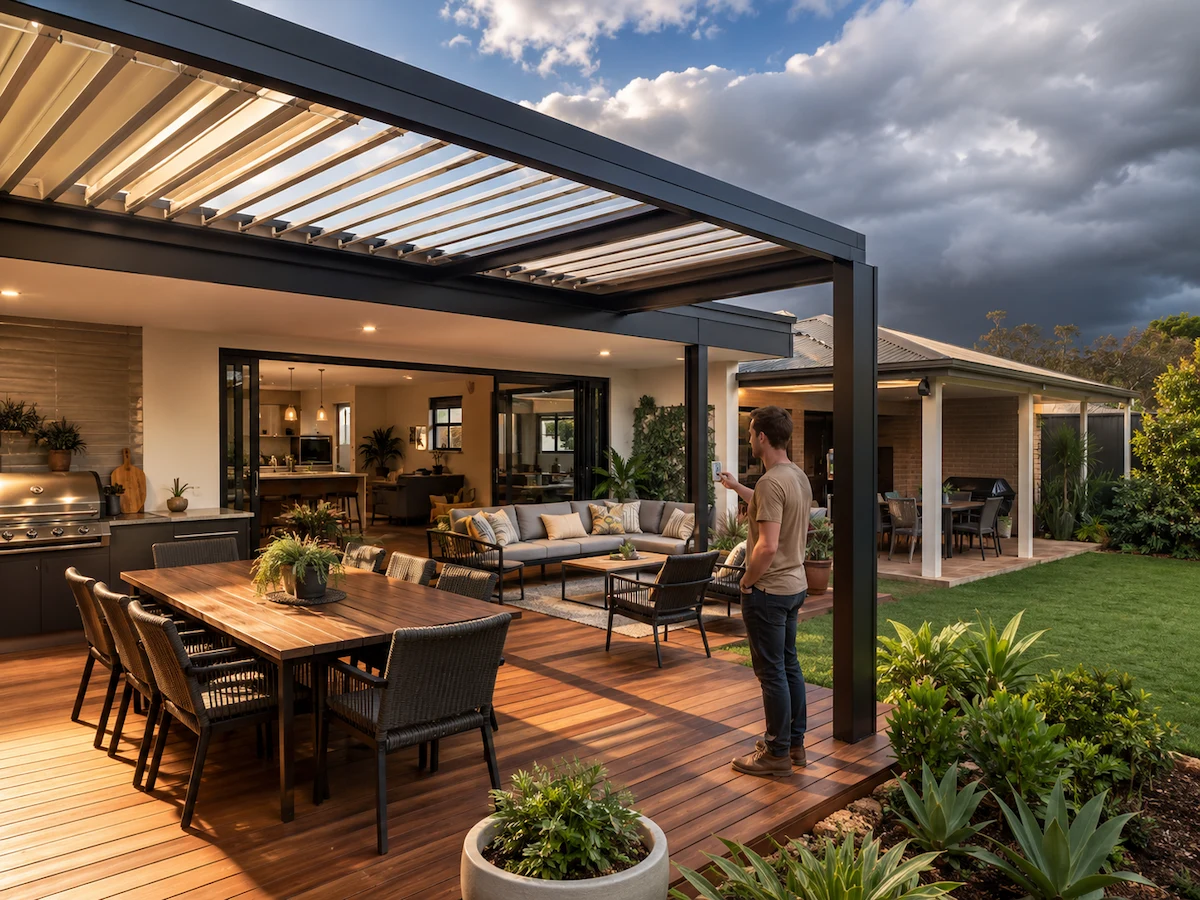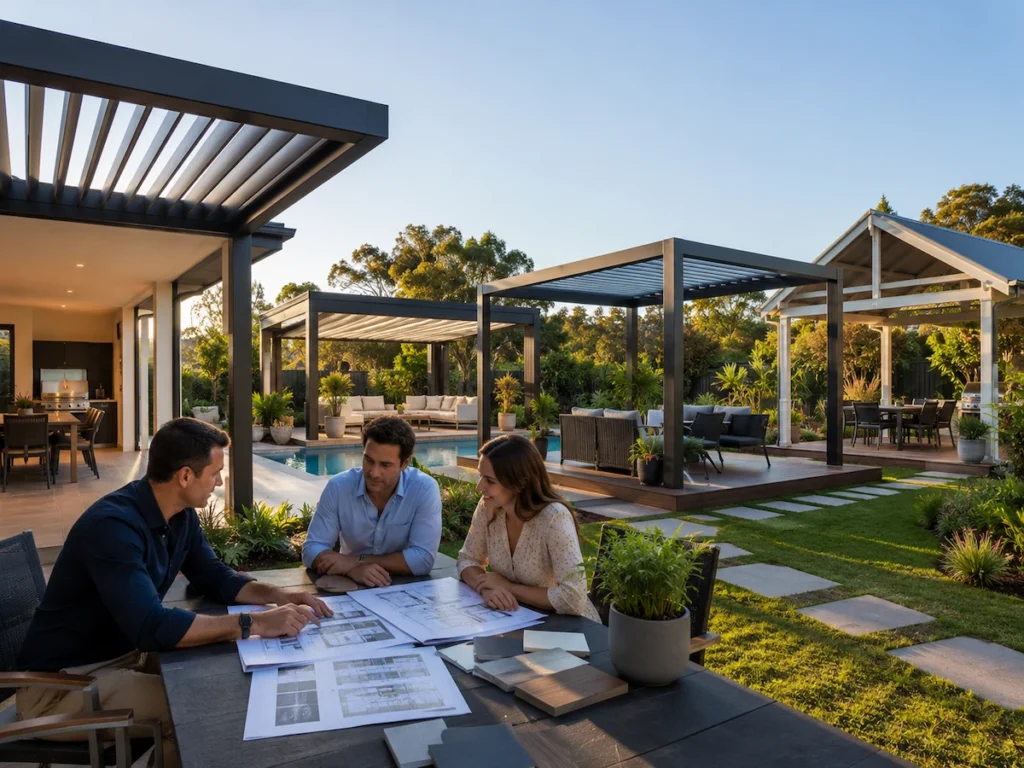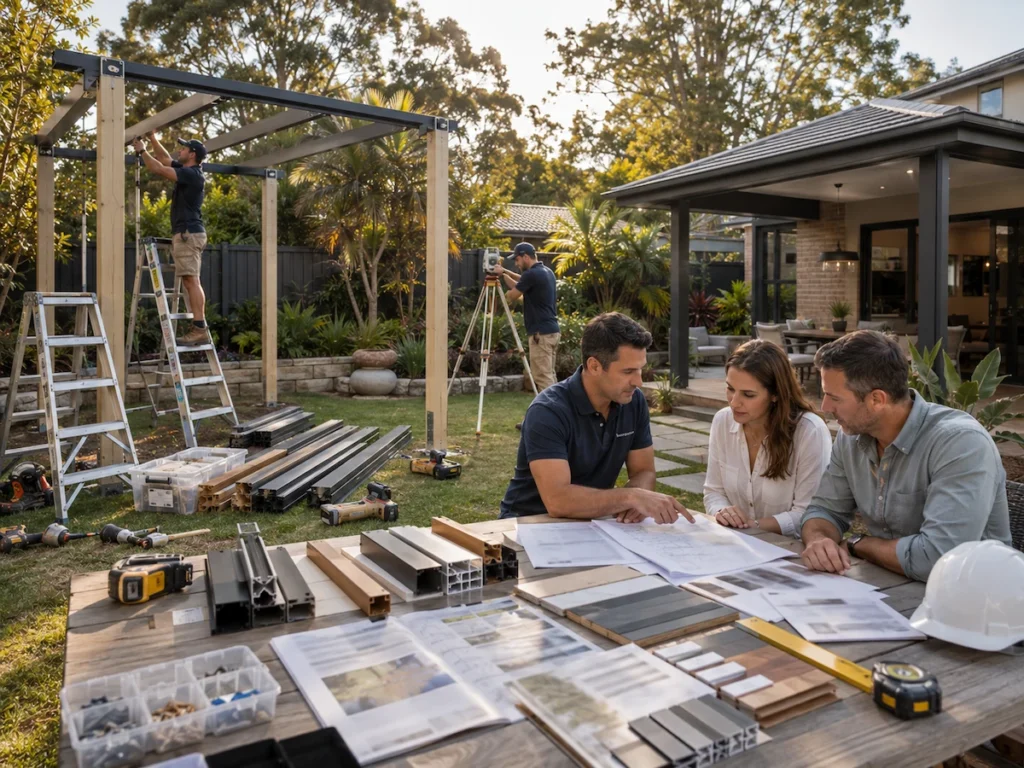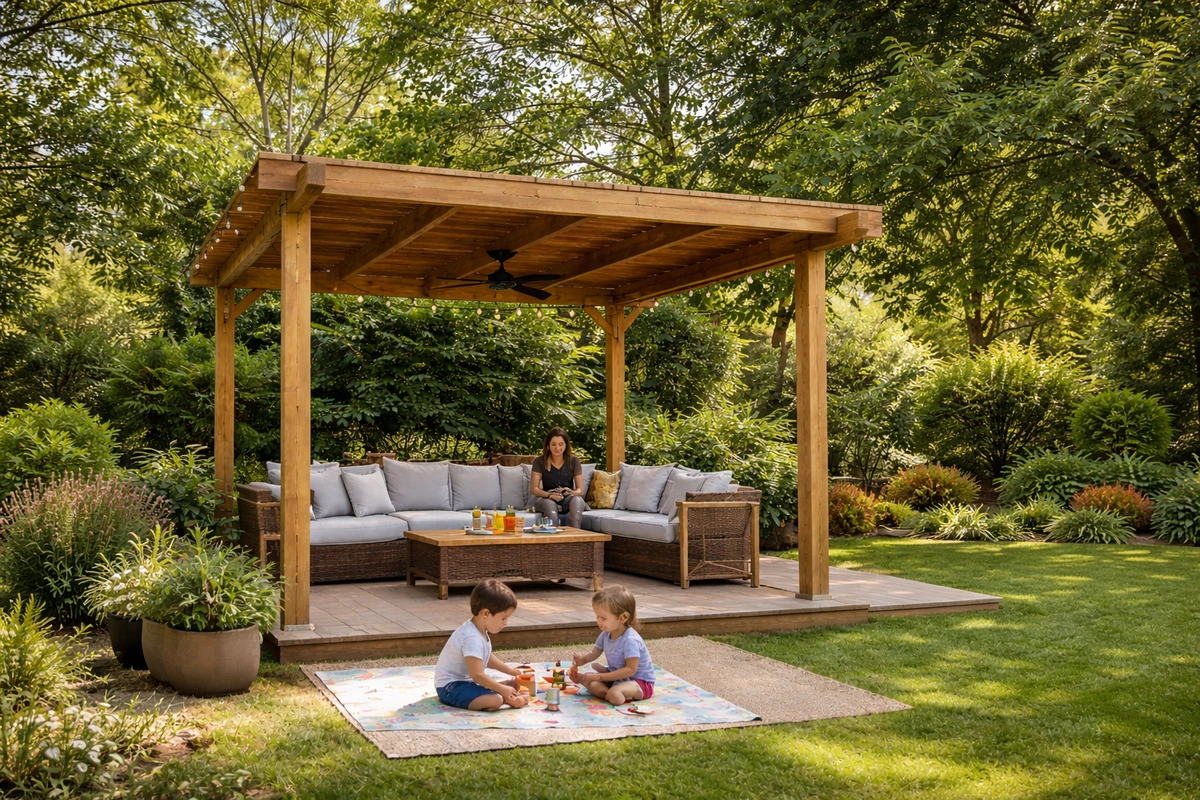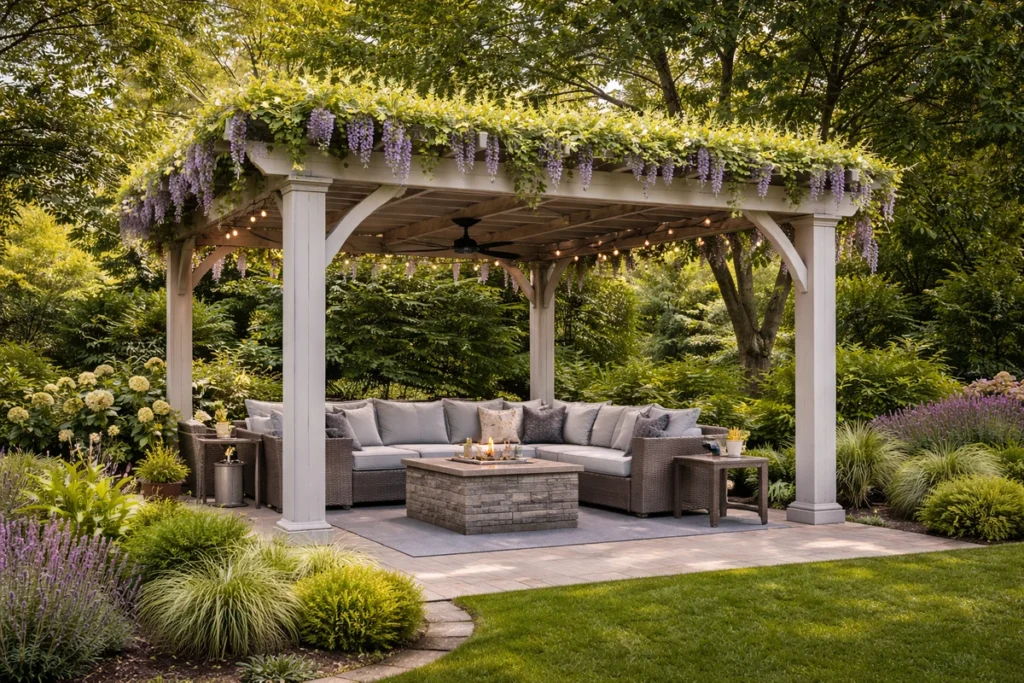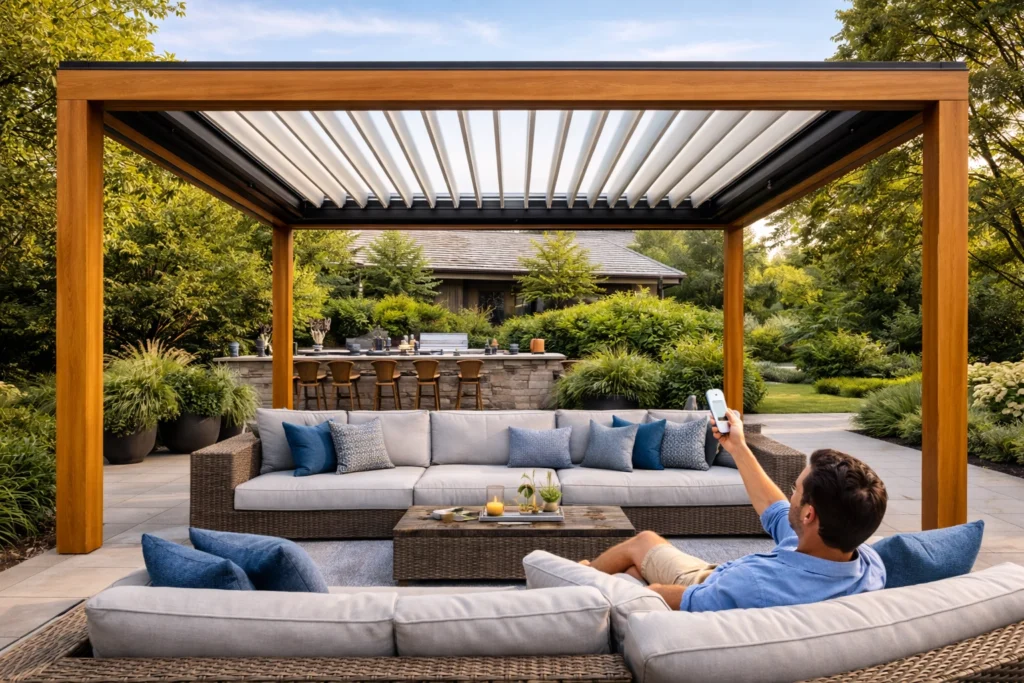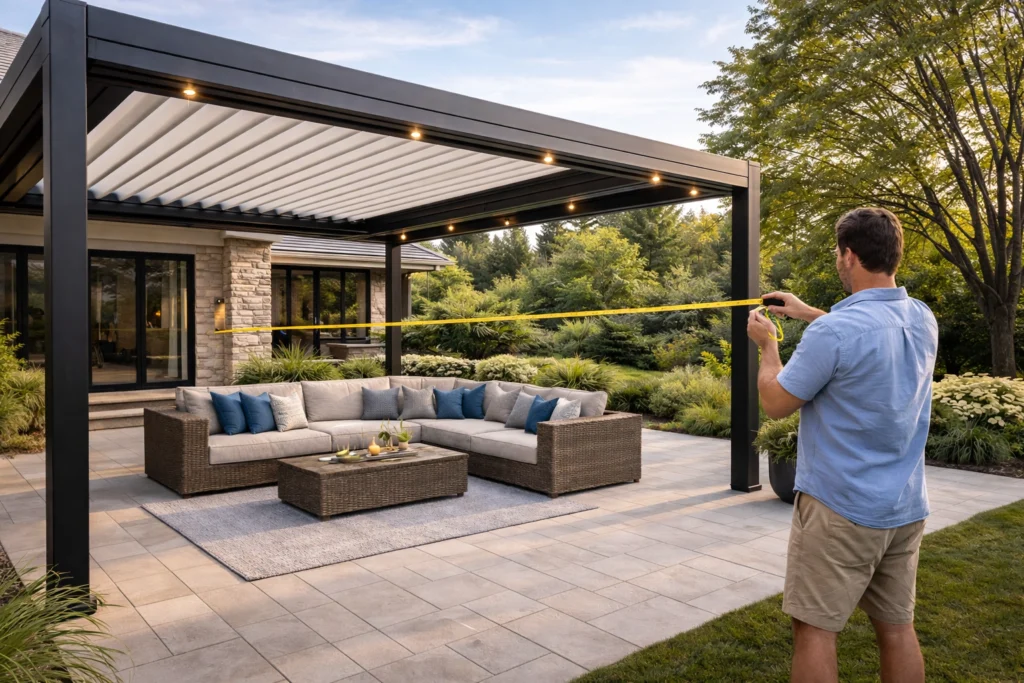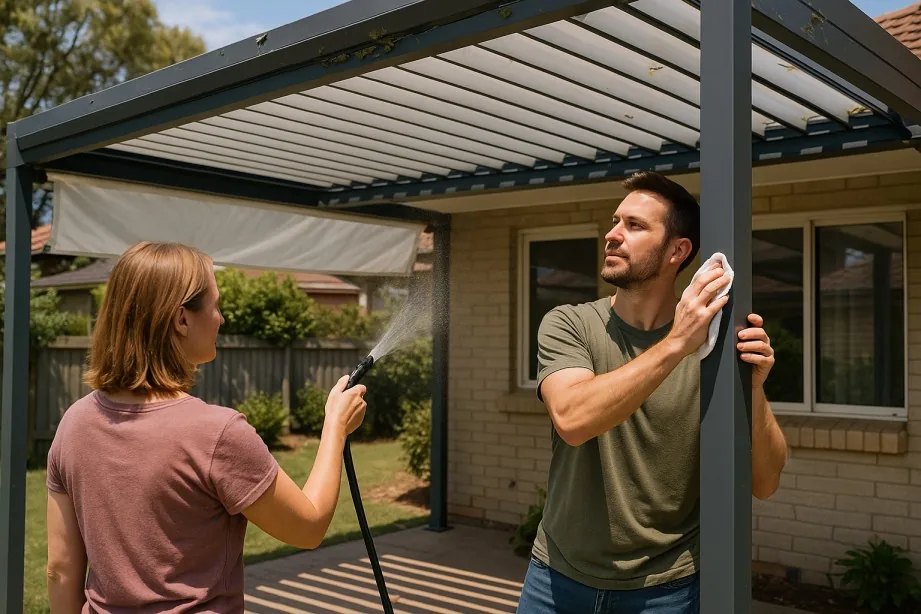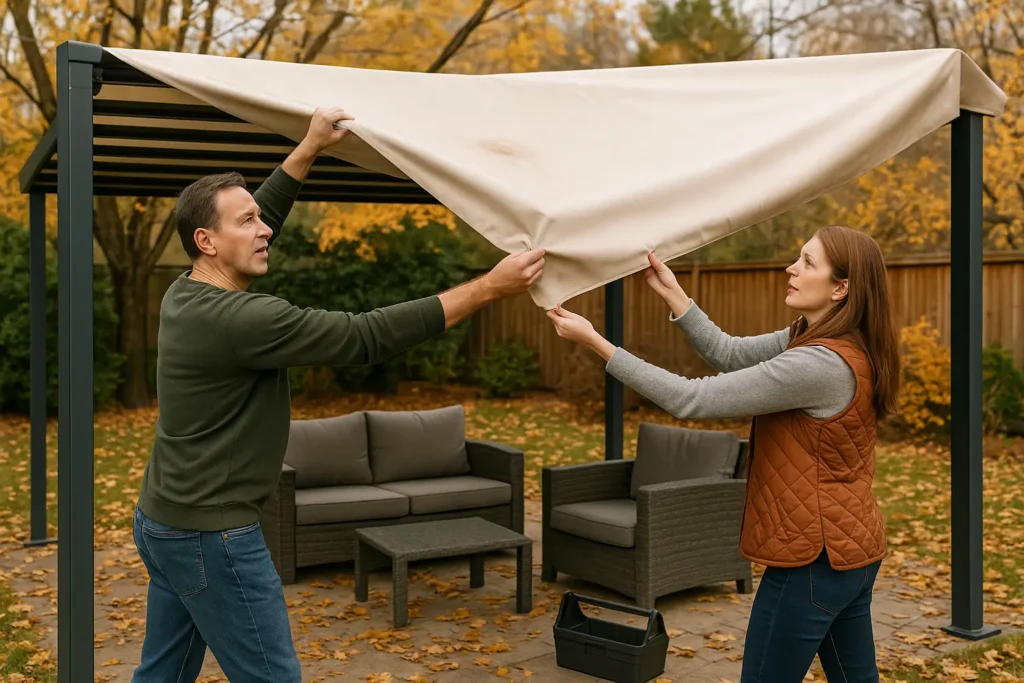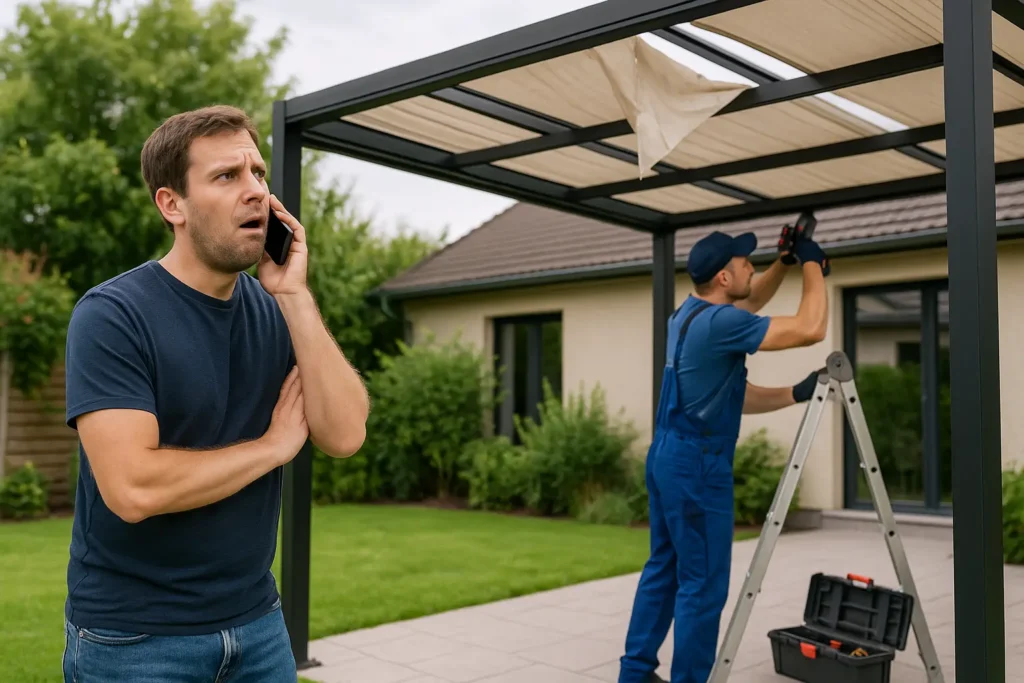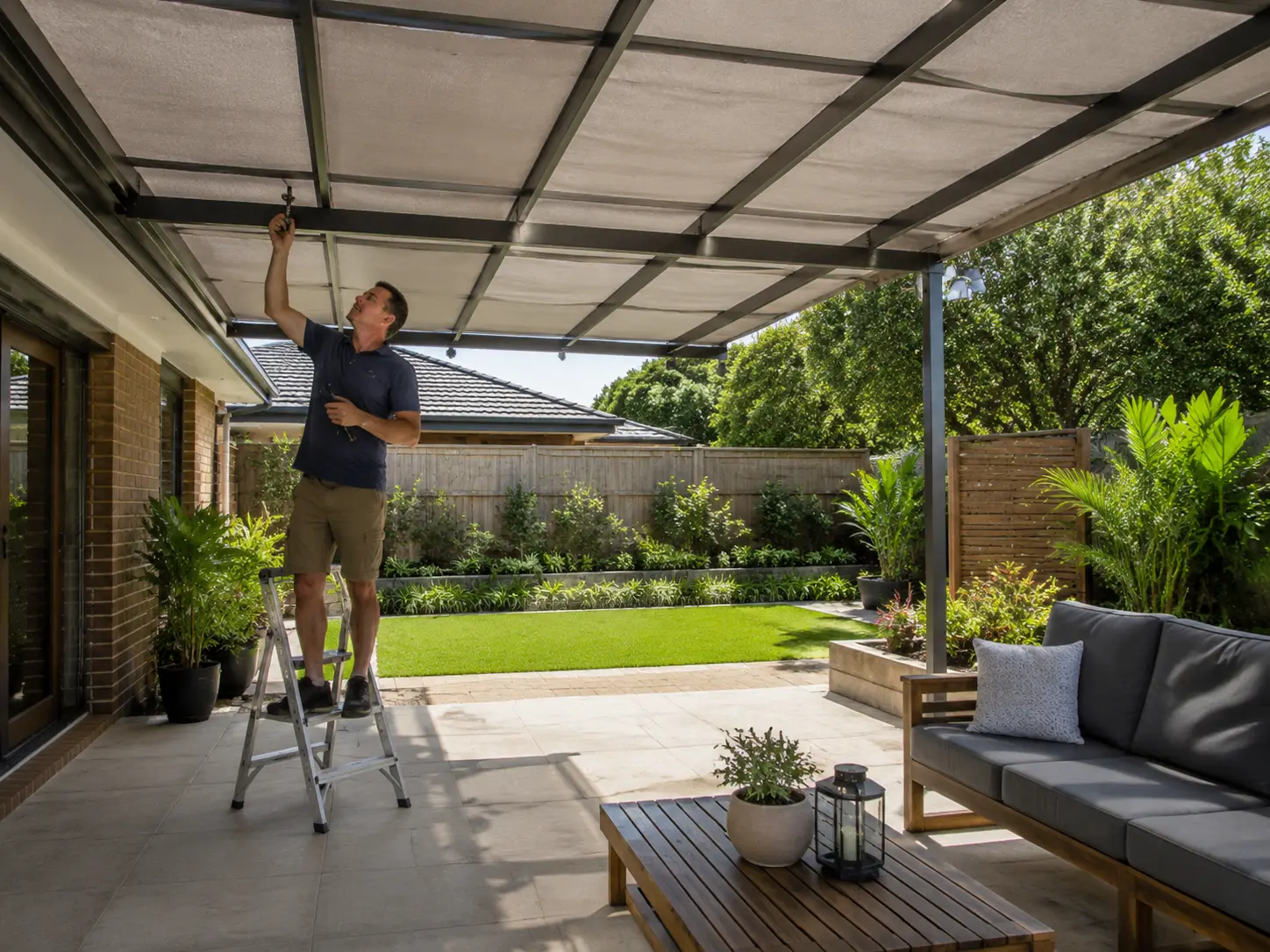
A homeowner fixing a Retractable Shade in his backyard

Why Permanent Shade Is Not Always the Best Outdoor Solution

Permanent shade is not always the best solution because it blocks sun and rain and limits your flexibility. Once a fixed structure goes in, you can’t adjust it when your outdoor space needs change, and that’s where most families run into trouble.

We absolutely get it. We’ve helped Chicago-area homeowners find retractable shade systems that fit their lifestyle year-round, giving them full control over their outdoor space in any season.

In this article, we’ll cover where fixed shade falls short, what retractable pergolas do better, and how to pick the right fit for your space.

If you’ve been settling for less, this one’s for you.

Permanent Shade: Why It Isn’t Always the Answer
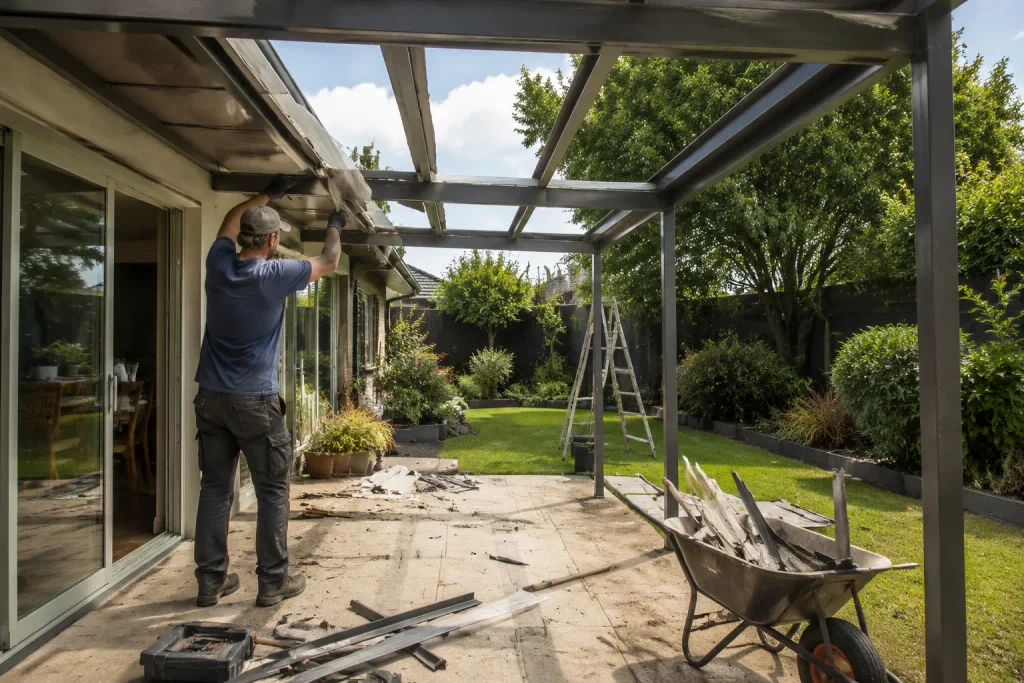
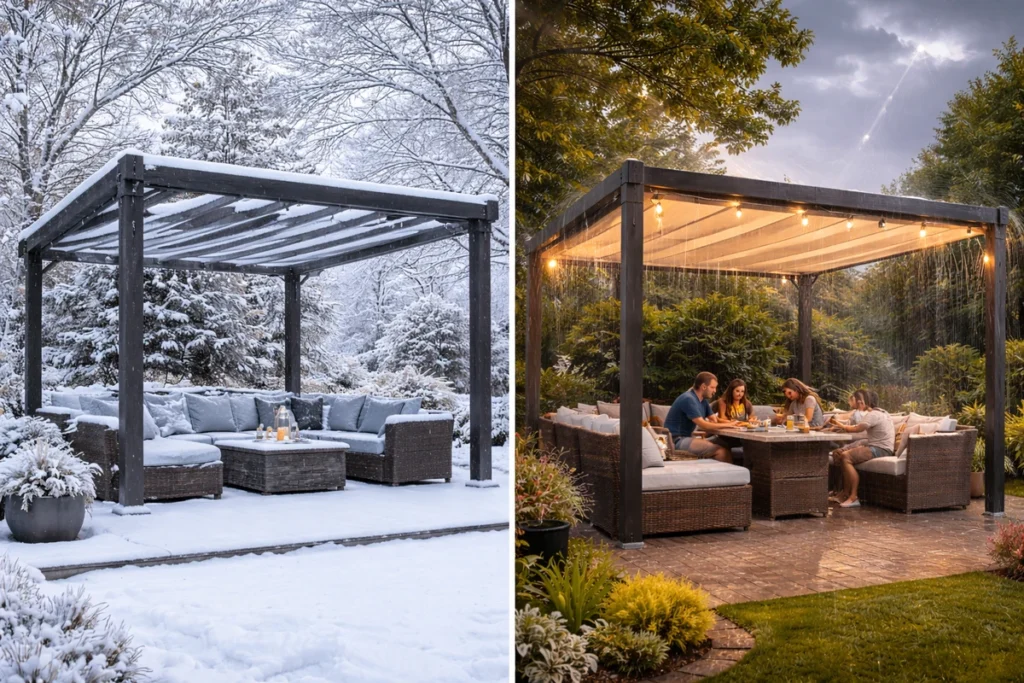
A homeowner changing the shade based on the weather

Ever installed a patio cover only to wish you could move it six months later? Most property owners do, because fixed structures don’t adapt to changing needs. A permanent cover structure is like painting your living room before you’ve moved the furniture in. Once you finish it, everything else has to work around it.

And for Chicago residents, that limitation plays out like this:

  • Built for One Setup Only: Most fixed structures aren’t designed to relocate once they’re in the ground. That means if you renovate your patio, add a pergola, or change your layout, the cover stays where it is, even if that spot no longer works for you.
  • No Room to Grow: Fixed covers are built around one aesthetic, color, and style. If your outdoor design evolves, the cover will stay the same, and it’ll clash with every update you make around it.
  • A Costly Obstacle: Chicago residents use their outdoors differently in July than they do in September. A fixed cover can’t adjust to those seasonal shifts, so the structure starts working against you instead of for you.

Frankly, a fixed cover gets more difficult to walk away from with every passing season (we’ve seen people try, and it’s not pretty). UV rays and heavy rain only add to that pressure.

UV Rays, Rain, and What Fixed Structures Can’t Handle

Fixed patio covers take a beating from harmful UV rays and heavy rain every single season. The damage doesn’t appear overnight, though. UV rays work like a slow leak. By the time the damage is obvious, the fabric is already breaking down from the inside (the cover looks fine, but the damage isn’t).

And after two to three years of exposure, fixed cover fabrics can’t block the sun the way they once did. By then, harsh sunlight gets through during summer afternoons, when your patio needs sun protection the most.

Heavy rain then makes things worse. Instead of running off cleanly, it soaks into the weakened fabric.

In that condition, a simple patch job won’t hold. Full panel replacement becomes the only real fix, and that bill lands just as hard as the original installation cost. For Chicago residents, that cycle repeats every few years when Midwest weather stays relentless season after season.

Shade Sails and Fixed Covers: The Practical Limitations

Working with families across Naperville and Hinsdale taught us one thing about shade sails and fixed covers. Both break down under wind pressure and moisture buildup, and wind is always where the trouble starts.

Both failures follow the same pattern:

Shade Sails and Wind

Strong winds put relentless pressure on shade sail fabric. Over time, that sustained force gradually pulls the rope anchors free from the frame. With the anchors loose, the canopy loses its tension and can no longer hold its shape against the wind.

At that point, your patio is left with a structure that flaps around in every storm, offering no real wind protection.

Fixed Covers and Moisture

A shade sail that’s lost its tension sags in the middle, which collects standing water after every rain. Pooled water can also work its way into the fabric and create mold growth, even on mildew-resistant materials.

By the time spring arrives in Chicago, that mold has worked deep enough into the fabric to make the entire cover unusable.

Fixed Shade vs Retractable Pergolas: The Cost Breakdown

A fixed patio cover might run $4,000 at installation, but the real cost reveals itself around year three. The table below shows how fixed shade and retractable pergolas compare when you factor in the full picture.

Factor

Fixed Shade Cover

Retractable Pergola

Average Install Cost

$3,000 to $10,000

$5,000 to $15,000

Avg. Repair Cost (Yr 3)

$1,500 or more

Minimal

Lifespan

5 to 8 years

15 to 20 years

Flexibility

None

Full

Energy Savings

Low

High

As you saw in the table, the lifespan gap between fixed and retractable shades is where the real difference lies. A fixed cover that needs two repairs before year five rarely makes it to year eight. Every repair chips away at whatever savings you thought you had upfront.

Flip the comparison around, and a retractable pergola starts looking like the sounder investment. It runs higher at installation, but it also contributes to long-term energy savings by reducing heat buildup on your patio. That combination of durability and efficiency is something a fixed cover can’t offer over the same timeframe.

The Retractable Canopy and Pergola Roof Alternative
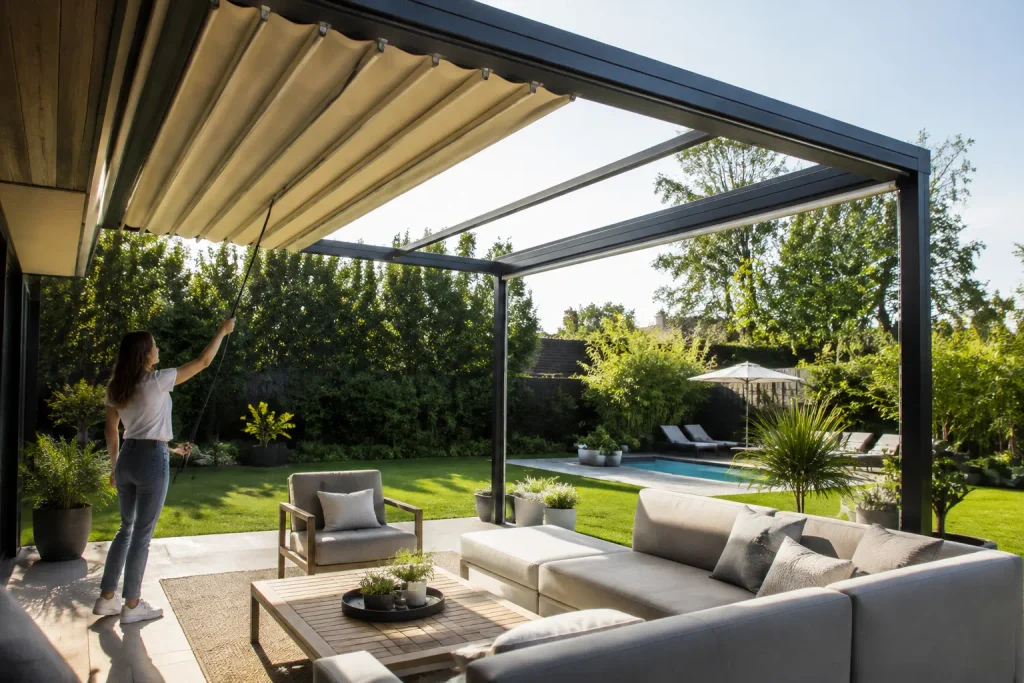
Pulling the retractable shade to protect the outdoor living space

A retractable shade addresses every limitation a fixed cover leaves behind. Unlike a permanent installation, a retractable pergola protects your outdoor living space without locking you into one fixed position.

For example, in Chicago, summers flip between scorching afternoons and sudden storms, and a retractable system lets you respond to both without leaving your seat.

The advantages over fixed shade come down to three practical differences:

  • Open or Close on Demand: A retractable canopy gives you full control over your shaded area as the weather shifts. On a calm morning, you get full sun across your patio. The moment a storm rolls in, the roof closes before the rain reaches your furniture.
  • Fresh Air Without Compromise: Fixed covers force you to choose between shade and fresh air. A retractable pergola roof removes that trade-off entirely. In our experience fitting systems across the Chicago area, families consistently rank open-air shade as the feature they wished they’d had sooner.
  • Motorized Control at Your Fingertips: With a motorized pergola, adjusting the pergola roof via remote control takes seconds from anywhere in your backyard. Systems that include wind and rain sensors retract automatically when strong winds or heavy rain move in.

And unlike fixed covers, a retractable system gets more useful over time, rather than less, as your outdoor space grows and your lifestyle shifts.

Your Outdoor Renovation: Picking the Right Canopy for Your Space
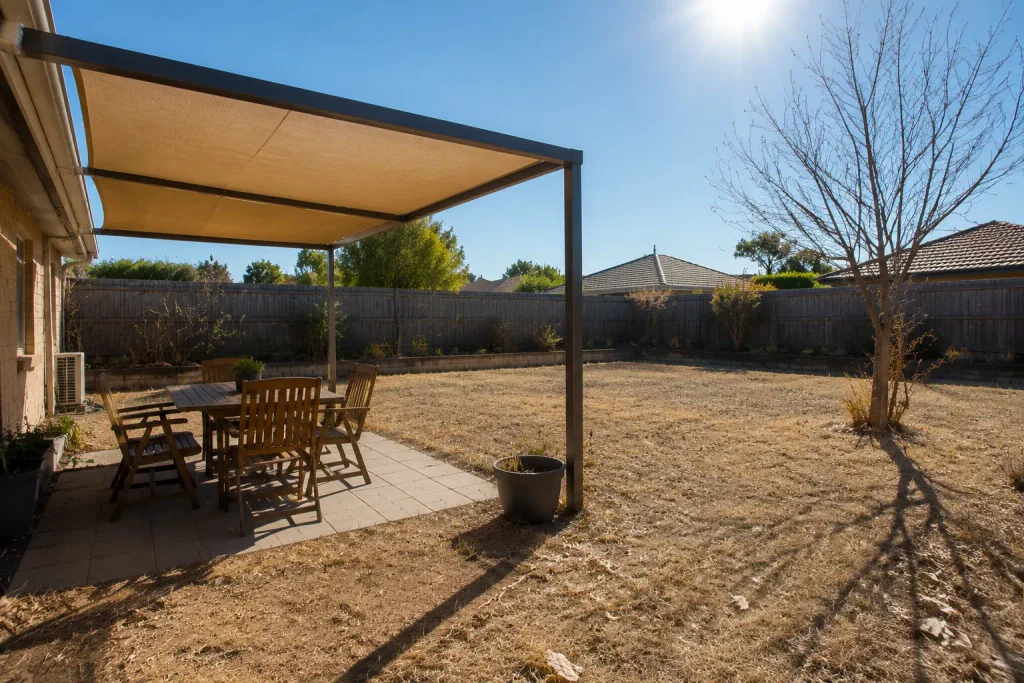
a fixed canopy leaves the patio completely exposed

Every outdoor renovation is different, and the fix that works for one backyard won’t necessarily work for another.

Across Naperville, Hinsdale, and the broader Chicago area, our team has fitted pergolas in all shapes and sizes. One pattern keeps emerging: property owners with larger yards consistently underestimate seasonal wind exposure.

Coverage is the other side of that wind exposure problem. A fixed canopy covers one spot and stays there. As the sun moves across the sky, it leaves the rest of your deck or patio completely exposed.

The EPA notes that shade and vegetation cool surrounding air through evapotranspiration, with urban green areas running an average of 3.0°F cooler. A retractable pergola roof works on that same principle by letting you position shade over the spots on your patio that absorb the most heat.

Going back to what we said earlier, no two outdoor renovations are the same. Our team sizes and fits every retractable pergola around your specific backyard layout, lifestyle, and local weather patterns.

Ready to Rethink Your Outdoor Shade?

Outdoor shade is one of those decisions that looks simple on the surface, with factors like material durability, wind resistance, and long-term costs all playing a role. And once you dig into those factors, the limitations of fixed structures become hard to overlook. The very reason we suggest one flexible installation: a retractable canopy system.

This article laid out why permanent covers wear down, why shade sails fail in strong winds, and where the repair bills come from. A retractable pergola roof sidesteps all of that by giving you control instead of commitment.

For over 30 years, our team at Papercrown Gallery has guided Chicago homeowners through every outdoor covering decision. Reach out today, and we’ll find the right retractable solution for your backyard.
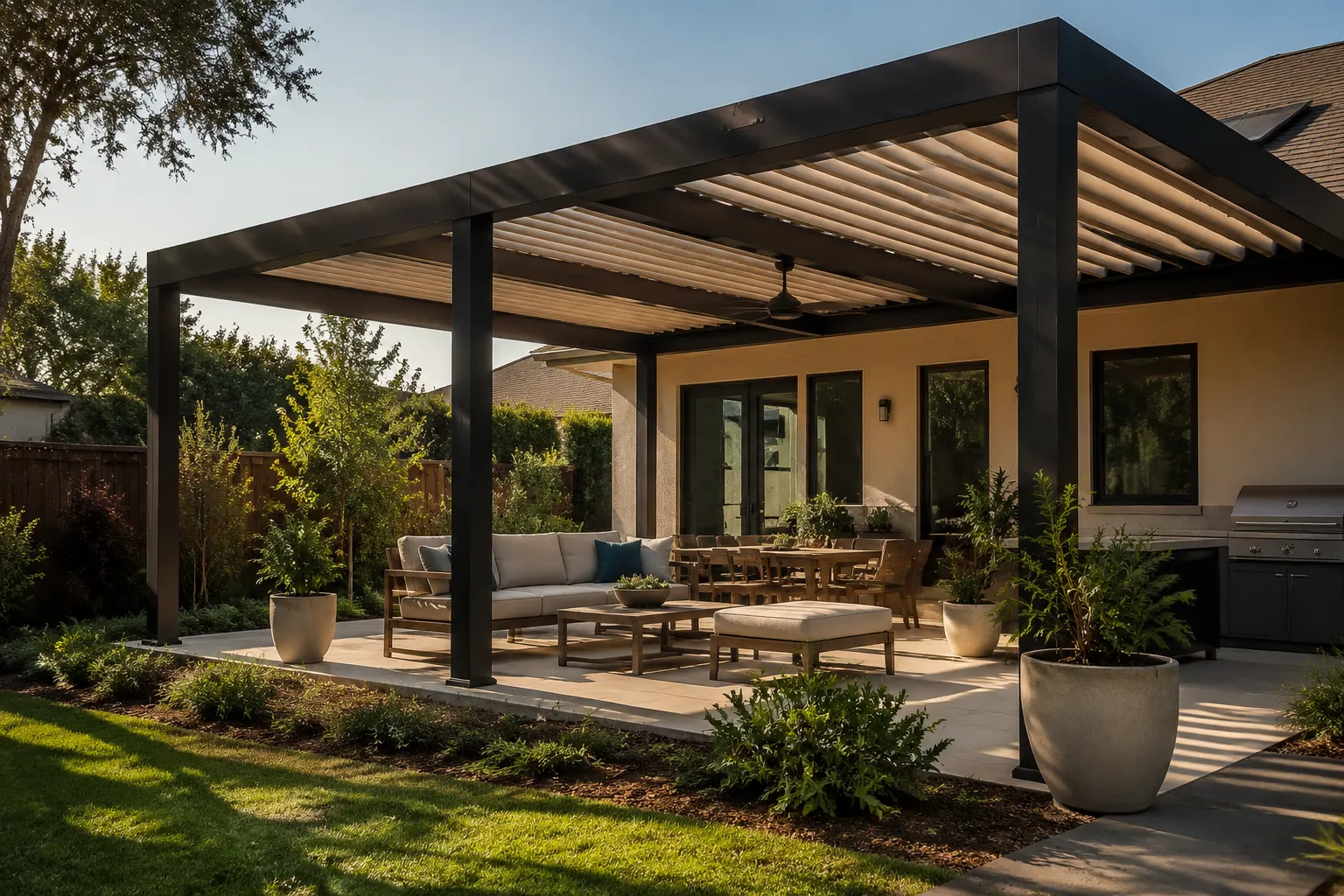
Custom pergola creating an outdoor living space

The Homeowner’s Guide to Choosing a Custom Pergola

A custom pergola sounds like a simple project until you start comparing materials, roof types, and sizes. Once you dig into those details, you’ll find that the wrong frame or roof choice can cost you comfort, durability, or both.

We’re Papercrown Gallery, and we’ve spent over 30 years designing and installing pergolas across the Chicago area. We put this guide together to walk you through sizing, materials, retractable roofs, placement, and hot tub planning.

Also, if you’re still early in the process, our guide on planning your first pergola covers the foundational decisions in more detail.

Sizing a Custom Pergola for Your Property

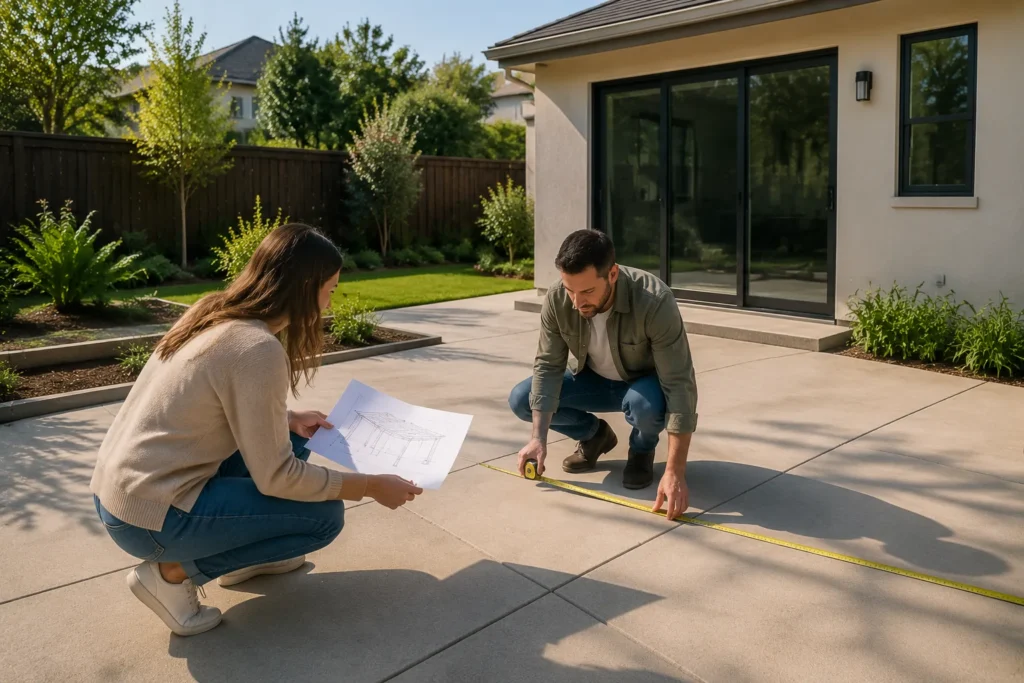
Measuring a backyard area for a custom pergola

Your pergola size depends on the yard space you have, how you’ll use the structure, and how many guests you plan to host. Measure the usable area first and factor in clearance from fences, walls, and property lines.

A 12×14-foot footprint fits most dining setups for six to eight guests. A lounge layout with sofas and a coffee table will need closer to 14×16. Those two feet might not sound like much, but it’s the difference between a comfortable dinner and bumping elbows every time someone stands up.

On the other hand, a pergola that covers too little of your yard looks like an afterthought (think fancy umbrella, not pergola). One that’s too large eats into the open space your kids or pets still need. That’s why it’s worth testing the footprint first. Before you commit to dimensions, mark the corners in your backyard with stakes or chairs so you can see how the actual size will feel.

Best Materials for Outdoor Structures

The frame material you pick today determines how your pergola looks and performs a decade from now. Each option handles Chicago’s weather differently, so here’s how the three most common choices compare.

MaterialDurabilityMaintenanceCostWeather Resistance
Aluminum20+ years with no rustRinse with a hose once or twice a yearMid to highHandles snow, rain, and heat without warping
Wood (cedar or redwood)10–15 years with upkeepStain or seal every two to three yearsMidAbsorbs moisture and can rot if left untreated
Vinyl8–12 yearsAlmost noneLow to midCracks or yellows after repeated freeze-thaw cycles

Aluminum is the most popular pergola frame in our area, and after installing all three materials across Naperville, Hinsdale, and Oak Park, we can tell you why. It consistently outlasts wood and vinyl in this climate without asking much from you in return.

Now, wood may look beautiful on day one. But customers in the western suburbs often find themselves restoring or resealing sooner than they planned.

Vinyl is the least expensive upfront, though it rarely holds up through more than eight or nine harsh winters. If you want a structure designed to last year-round with minimal upkeep, aluminum is the strongest option for this region.

Once you’ve settled on a frame material, the next big decision is what goes on top.

Why Retractable Roofs Give You More Control

Retractable pergola roof adjusting sunlight and shade

A retractable roof lets you decide how much sun or shade you get at any given moment. Instead of committing to one setting permanently, you can open the roof for full sunlight during a spring brunch and close it when a summer storm rolls in.

Here’s what that flexibility looks like day to day:

  • Motorized Systems With Rain Sensors: These sensors detect moisture and signal the roof to close automatically (most respond within 30 seconds of detecting rain). You won’t have to rush outside every time the sky turns gray, and your cushions, flooring, and outdoor furniture stay dry even during a sudden downpour.
  • Louver Control for Airflow and Light: Motorized louvers let you adjust the angle of your roof panels to control how much light and wind pass through. On a mild day, tilt them open for a cross breeze. When temperatures climb, or a storm rolls through, close them down to block direct heat and rain.
  • Year-Round Use Over Fixed Roofs: A fixed roof blocks sunlight all year, which sounds great in July but leaves your space dark and cold by October. With a retractable roof, you can pull the cover back on a crisp fall morning and let the sunlight back in. And honestly, once you’ve had that option, you won’t want to go back.

The roof you pick shapes how often you’ll actually use your pergola, so it’s worth spending extra time on this one.

Placement and Orientation for Your Outdoor Space

The direction your pergola faces, how close it sits to your home, and how much wind and snow your yard gets all affect day-to-day comfort.

In our experience, south and southwest-facing pergolas perform best in the western suburbs. A south-facing structure gets the most sunlight through fall and winter, which pairs well with a retractable roof that lets you control the shade during hotter months.

The U.S. Department of Energy reinforces this in its Consumer Guide to Home Landscaping, noting that strategic tree placement and shade can reduce:

  • Solar heat gain
  • Lower cooling costs
  • Significantly reduce temperatures around a home

Wind is the other factor most homeowners overlook. In the Chicago area, prevailing winds roll in from the northwest, so face your open side away from that direction. You can check your property’s specific wind and snow loads through the ASCE Hazard Tool, which breaks conditions down by zip code.

From there, adding screens or sliding glass panels on the exposed side will give you extra wind protection and privacy during cooler months.

Planning Around a Hot Tub

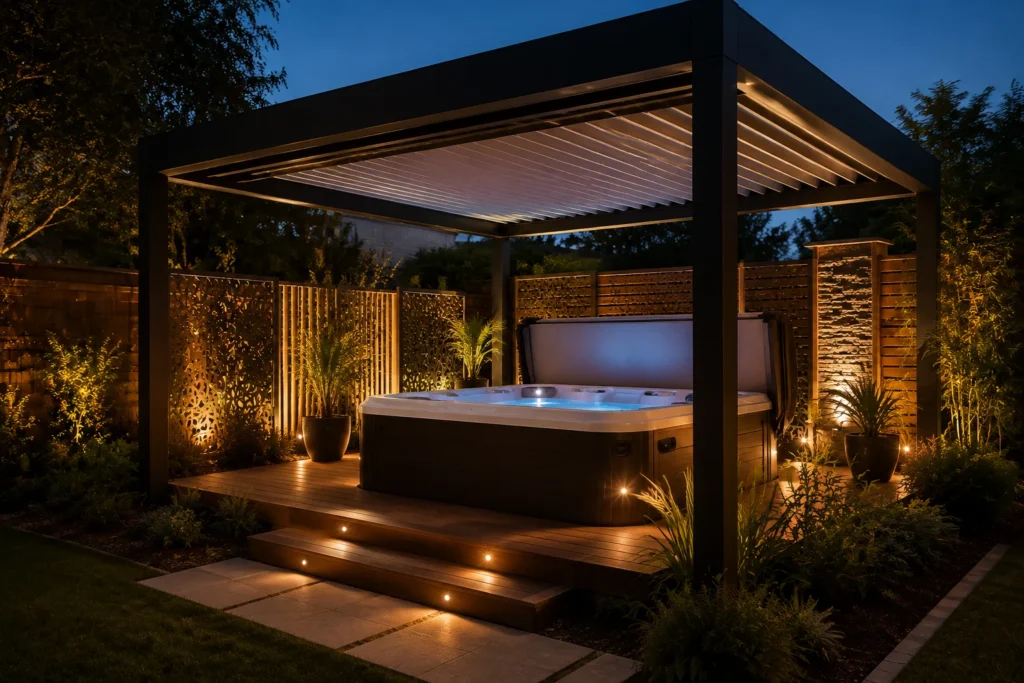
Pergola designed around a backyard hot tub

Once you’ve locked in placement, it’s worth thinking about any built-in features that need extra structural support. A hot tub is one of the most popular additions, and it affects your foundation, spacing, and drainage in ways that are easy to underestimate.

Three details deserve attention before the project kicks off:

  • Foundation and Weight Load: A filled hot tub with four people in it can weigh over 4,000 pounds. That kind of load isn’t something you can work around with a thicker paver or an extra post. You’ll need a reinforced concrete pad or a compacted paver base designed specifically for that weight.
  • Clearance on Every Side: Leave at least three feet of open space around the tub for safe entry, exit, and routine maintenance. Anything tighter makes it hard to service the pump, replace a cover, or even climb out comfortably (that’s not a shortcut you want to take).
  • Drainage and Ventilation: Steam from a hot tub rises directly into your roof and frame, and standing water around the base can pool against your pergola’s footings. Slope the surrounding grade away from the structure and leave ventilation gaps between the roof panels and the tub.

Most of these fixes are simple to build into the design phase, but they’re expensive to correct once the concrete is poured. We recommend talking to your installer about all three before the project starts.

What to Expect During Pergola Installation

Most custom pergola installations in the Chicago area take three to five days, but the prep work starts earlier. Permits, site grading, and utility checks all need to happen first, so it pays to get them lined up early.

The process usually breaks down into three stages:

  • Permits and Code Compliance: Your installer should file all permits before breaking ground. We’ve seen projects stall for weeks because the permit wasn’t filed early enough, and restarting the approval process can add thousands to the final cost. Your local codes tie back to the International Residential Code requirements for patio covers, which spell out footings, wind loads, and snow load ratings for your area.
  • Site Prep and Construction: A good crew grades the area, marks utility lines, and sets footings. Expect some yard disruption during this stage, but it shouldn’t last more than a day or two on most residential projects.
  • Final Walkthrough and Warranty: After your crew has installed the structure, ask for a full walkthrough of every moving part. Request written warranty coverage that includes the frame, roof, and any motorized components so you aren’t left guessing if something loosens or shifts a year from now.

Every project we run follows the same cleanup process, regardless of the size or the neighborhood. And by the final day, your yard should look the way it did before the build started.

Bringing Your Pergola Ideas to Life

The choices you make now, from the frame on your pergola to the direction it faces, will show up every time you step into your backyard. So, getting even one of those wrong can cost you comfort, money, or both down the line.

If you’re ready to take the next step, Papercrown Gallery is here. Our team will walk you through materials, roof systems, and layout options based on your property and your climate. Reach out for a free consultation, and let’s get your project started.

Retractable Pergola

Why Retractable Pergolas Are Changing Outdoor Living in Australia

Retractable pergolas are changing outdoor living in Australia by giving homeowners full control over sun, rain, and shade at the push of a button. As a result, you can open the roof on a warm afternoon and close it the moment a storm rolls in.

By comparison, fixed patio covers block sun and rain but remain in the same position after installation. In this case, a retractable pergola lets you adjust the roof as conditions change. So you can decide how much sunlight or shade your outdoor space receives.

In this article, you’ll learn how to choose between wood and metal, pick the right style, and decide if a kit or custom build suits your budget. Keep reading to find the setup that best fits your backyard.

Retractable Pergolas Are Changing Outdoor Living in Australia

Outdoor living becomes more practical when you can adjust your pergola as the weather changes. That’s why homeowners across Australia are replacing fixed patio covers with retractable pergolas that respond to changing conditions in seconds.

A retractable canopy also helps families use the area for more than occasional entertaining. You can open the roof to improve airflow or close it to protect outdoor furniture and create a more comfortable setting for meals, gatherings, or everyday relaxation. Over time, more new homes now include this level of flexibility as a standard feature.

Although a retractable pergola usually costs more upfront than a fixed roof, homeowners often use the space more frequently year-round. For many residents, that broader use makes the outdoor area feel like a more functional extension of the home.

Wood Pergolas vs. Metal Pergolas: Which Fits Your Backyard?

Wood Pergolas vs. Metal Pergolas: Which Fits Your Backyard?

Most people think material choice is only about appearance, but it determines how much upkeep your pergola will need. In practice, wood pergolas suit natural, cozy backyards, while metal pergolas suit low-maintenance, storm-prone climates.

Here’s what each option specifically brings to your yard:

Wood Pergolas Bring Warmth and Character

Timber pergolas add a rustic charm that pairs well with gardens, stone patios, and anything with a bit of natural texture. Meanwhile, cedar and treated pine are among the most popular choices for Australian timber pergolas, as both hold up well in local humidity.

That said, timber needs regular sealing and staining to resist rot, warping, and sun damage over time (skip a season, and you’ll need to replace it). Without ongoing maintenance, their appearance and lifespan can gradually decline.

Metal Pergolas Offer Strength and Low Upkeep

Unlike timber, metal pergolas are built with durability and low maintenance in mind. For instance, aluminum and steel resist rust, pests, and warping better than most timber options. And these qualities make them a practical choice for busy homeowners.

Powder-coated aluminum frames are also available in a wide range of colors, which makes it easier to match a home’s exterior.

In our experience installing both types of pergolas, metal pergolas need little more than an occasional rinse to stay looking good for years. An occasional check of the fixings, protective coating, and any built-up debris will help keep the structure in good condition for years.

Bottom Line: Timber offers a natural appearance but needs regular maintenance, while metal provides long-term durability with less ongoing upkeep.

Popular Pergola Styles for Every Outdoor Space

Not every backyard calls for the same pergola, so style counts just as much as material. The right design should suit your home’s architecture, the available space, and how you plan to use the area.

Considering these, you can choose between flat-roof pergolas, pitched designs, freestanding structures, and louvred systems. Among them, louvred roofs adjust with the push of a button, meaning it’s easy to control shade, ventilation, and light.

A quick breakdown of the main styles you should know before you shop:

  • Attached Pergolas: Best suited to patios and decks beside the house. These pergolas also connect directly to the existing roofline, which creates a natural extension of your indoor living space.
  • For Larger Yards: If you want to anchor a separate entertaining space away from the house, freestanding pergolas are a suitable option. In particular, they are perfect for a terrace near the pool.
  • Full Shade or Full Sun: A louvred roof system lets you rotate the slats on demand, and that offers more control than a fixed structure ever could.

Each of these pergola styles suits a different outdoor layout and lifestyle. So we suggest thinking about the available space, how you’ll use the area, and the level of weather control you want before making a decision.

Popular Pergola Styles for Every Outdoor Space

Pergola Kits vs. Backyard Discovery Custom Builds: What’s the Difference?

Pergola kits offer a quick, cheaper DIY setup, while custom builds offer exact sizing and features for your yard.

Many brands sell pre-cut, pre-drilled kits designed for homeowners comfortable with a weekend project and basic tools. Although a custom build takes longer and costs more, it can accommodate unusual layouts, uneven ground, and specific design requirements more than a standard kit.

Let’s break down what each option actually looks like once you commit, then compare them side by side.

What a Retractable Canopy Adds to a Pergola Kit

A retractable canopy gives a standard pergola greater flexibility by adapting to changing weather instead of providing fixed overhead cover. In practice, manual and motorized adjustable canopies both retrofit onto most standard pergola kit frames without much trouble.

From our experience installing canopies, most homeowners choose UV-resistant, fade-resistant PVC canopies. They also choose polyester material to handle sun and various weather conditions (the cheap fabric ones fade quickly, so skip those).

Ultimately, easy assembly is the whole point of a kit. That’s why installing the pergola first and adding a canopy later keeps the initial build simple while leaving room for future upgrades.

When a Custom Build Makes More Sense Than a Kit

Uneven ground, odd yard shapes, or development restrictions can rule out a standard kit altogether. From there, a custom build lets homeowners match existing decking, siding, or roofing material to increase their curb appeal.

And once you’ve seen a custom pergola built around an existing deck and door line, a stock kit can feel like a compromise. Why? Well, a custom design allows for features like skylights, built-in lighting, and privacy screens to enhance comfort and everyday use.

Not to mention, they can provide your outdoor living area with more durability and better protection from the elements than most off-the-shelf kits.

Kit or Custom? A Quick Side-by-Side Comparison

Cost and lifespan decide this argument more than looks do. Typically, both options have clear advantages, but they suit different budgets, timelines, and long-term goals.

This table shows how a kit and a custom build compare side-by-side:

FeaturePergola KitCustom Build
Cost RangeBudget-friendly, lower upfront priceHigher upfront, priced for exact specs
LifespanStandard grade, resistant framesBuilt to withstand harsher weather conditions
Best ForSmall yards, quick setupUneven ground, strict development restrictions

Frankly, neither option is the wrong choice. The better fit depends on your budget, yard, and the amount of customisation your space requires.

Pergola Kits vs. Backyard Discovery Custom Builds: What's the Difference?

Ready to Upgrade Your Backyard?

Retractable pergolas give homeowners the benefits a fixed structure never could. Sun, rain, and shade all of it becomes your call instead of the weather’s.

Here are the pergola options at a glance:

  • A timber pergola suits homeowners who value a natural look
  • A metal design reduces ongoing maintenance
  • Custom pergolas offer added flexibility for unusual layouts or specific outdoor needs

With these in mind, you should choose the option that best matches your climate and the way you use your outdoor space.

At Papercrown Gallery, we’ve spent years helping homeowners find the setup that fits their backyard. Reach out to us, and let’s build an outdoor space you’ll enjoy year-round.

Fixed vs Retractable Pergola for Families

Fixed vs Retractable Pergolas: What Works Better for Families

Retractable pergolas give you control over shade and rain, while fixed pergolas offer permanent coverage with less upkeep. Frankly, the weather here changes fast, and your family will skip the backyard entirely if they can’t rely on coverage. Which is why choosing the right option ensures your outdoor space stays comfortable and usable throughout the year.

Plus, research shows patios can boost home value by 8-10%, with an ROI over 80% when well-designed. So the pergola you install today directly affects what buyers see in your property tomorrow.

In this article, we’ll compare fixed versus retractable pergolas to understand the options better. We’ll also cover everything about weather protection, family zone setups, and actual costs.

Let’s find the pergola that works for your backyard.
Fixed vs Retractable Pergola: Understanding Your Options

The main difference between a fixed and retractable pergola comes down to flexibility based on weather and your needs. Most families skip this comparison completely and end up regretting their choice six months later. The reason is that they don’t think about how they’ll use the outdoor space.

Here’s what each pergola type brings to your backyard.

Fixed Pergola With Low-Maintenance Materials

Permanent beams or slatted roofs provide consistent shade without any moving parts to worry about. The frame materials include wood, aluminum, and vinyl, and they remain securely in place once installed. You’ll see them integrate right into existing patios or deck areas.

Plus, traditional pergola designs add architectural character that catches your eye immediately. That’s because plants like wisteria or jasmine grow up the climbing structure naturally over time, creating extra coverage and aesthetics without you doing much work.

Fixed Pergola With Low-Maintenance Materials

How Retractable Pergolas Give You Control

Motorized or manual canopy systems let you adjust shade levels throughout the day based on sun position. So you’re not stuck with one setting.

On top of that, weather-resistant fabric roofs close completely during rain or open fully when you want to enjoy natural light and fresh air. Modern designs also include rain sensors that automatically protect your outdoor space without you lifting a finger. That’s the control level you’re paying for with a retractable pergola.

Weather Protection That’s Effective for Family Life

Families need outdoor spaces that handle unpredictable Midwest weather without constant adjustments. That’s why choosing the right pergola allows your kids to have fun outside even when the weather gets unpredictable.

Take a look at how fixed and retractable pergolas handle rain, sun, and those crazy Chicago storms.

Rain and Sun Coverage Throughout the Seasons

Most aluminum frames on both types resist rust, but the coverage you get varies wildly. To give you an idea, fixed pergolas offer partial shade through slatted roofs but won’t keep you completely dry during downpours. It’s because the gaps between slats let rain through when storms hit hard.

On the other hand, retractable systems close tightly to block rain entirely. Plus, the canopies block UV rays completely, while fixed roofs need fabric inserts for full sun protection.

Dealing with Chicago Winters and Summer Storms

Winter changes everything for a pergola decision. For example, fixed structures handle heavy snow loads better since they have no mechanical parts that freeze or jam.

In reality, retractable canopies should be opened during winter months to prevent ice buildup on the fabric material (ask anyone who lives near the lake). Also, the aluminum tracks can freeze shut if you leave the canopy closed.

Summer storms in the suburbs like Naperville can also hit fast, so automatic rain sensors give instant protection for gatherings. That’s why motorized retractable pergolas cost more upfront but save your outdoor furniture when the weather changes.

Dealing with Chicago Winters and Summer Storms

Keeping Outdoor Furniture and Toys Protected

After three decades working with Chicago-area families, we’ve seen what protects patios long-term. In general, retractable roofs close completely to shield patio furniture, grills, and kids’ toys from unexpected rain damage.

Contrastingly, fixed pergolas need additional tarps or storage solutions since partial coverage leaves items exposed to the elements. You’ll also end up spending more on replacing weathered cushions and rusted equipment every few years.

Besides that, covered spaces mean less time hauling cushions inside and more time enjoying your family-friendly backyard.

Creating Zones in Your Family-Friendly Backyard

Ever notice how kids gravitate to certain spots in the yard while adults prefer others? A well-placed pergola helps separate these zones naturally. And good planning makes sure everyone in the whole family has their own space.

Here’s how pergolas can create these zones.

Play Areas That Parents Can Monitor

Supervision gets easier with the right setup. For instance, shaded pergola zones near kitchen windows let you cook dinner while watching kids on swing sets (no running back and forth between the stove and the yard anymore).

Meanwhile, open retractable roofs during cooler mornings give children full sun exposure for active outdoor play sessions. That’s when kids burn off energy before lunch.

Beyond that, fixed structures with side curtains create defined boundaries so younger kids stay within visible supervised areas. Those curtains can even block the wind on breezy days.

Dining and Entertaining Under Cover

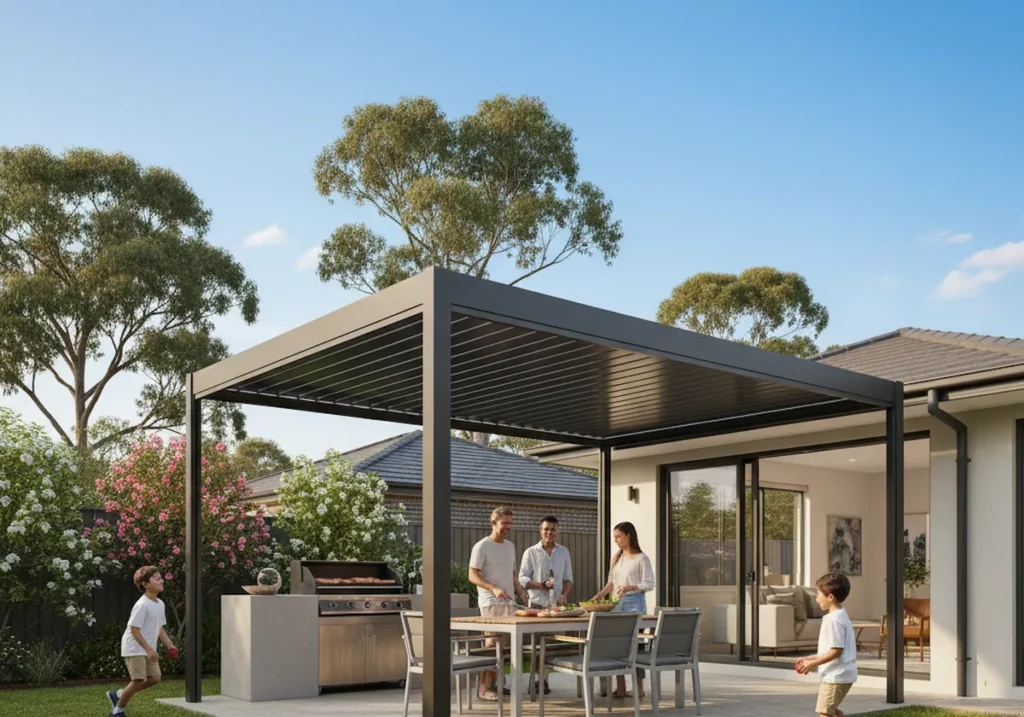
We’ve built pergolas for families in Oak Park, Hinsdale, and Evanston since 1994, and dining spaces always get the most use. In practice, retractable canopies adjust for evening gatherings so guests stay comfortable regardless of temperature drops or sudden showers.

On the contrary, fixed pergolas work great for permanent outdoor kitchens since the structure anchors grills and countertops securely. These types of year-round dining areas that don’t require setup or takedown always become family favorites.

Dining and Entertaining Under Cover

What Families Really Spend on Pergolas

Fixed pergolas typically run $3,000 to $8,000 installed, while retractable systems start around $8,000 and can hit $15,000 with motorized features. The price gap can seem unreasonable at first, but it’s not just upfront costs.

This is what you’ll have to spend on installation and upkeep:

  • Installation Time for Fixed Structures: The job takes two to three days, depending on size and whether it’s being attached to your house. Usually, labor runs $1,500 to $3,000 for most installations. The reason is that attaching to existing structures needs extra reinforcement and flashing work.
  • Electrical Work Adds a Day: Retractable systems need wiring for motorized options, which adds $500 to $1,200 to your total. In practice, most families choose motorized canopies since nobody wants to hand-crank one during a sudden storm.
  • Permit Processing: Most Chicago-area permits cost $50 to $300 for attached structures, but freestanding pergolas often need no approval. If needed, this processing takes about two weeks once you submit the paperwork.
  • Drainage Installation: Professional drainage solutions add $300 to $800 but prevent water damage to posts and patios. Besides that, aluminum pergolas cost 20-30% more upfront than vinyl or wood but last twice as long without rotting or cracking.
  • Monthly Track Cleaning: Retractable models generally need tracks cleaned to remove debris, and this takes about 15 minutes each time. To give you an idea, professional cleaning runs $150 annually if you’d rather skip it. Meanwhile, fixed versions just need occasional wood sealing at $200 every two years.

Ultimately, the investment pays off long-term when you factor in how much more your family uses the backyard. In fact, quality materials and proper installation mean your pergola lasts 5 to even 30 years without major repairs.

Pick the Right Outdoor Space for Your Crew

Fixed pergolas provide durability and low maintenance, while retractable versions offer weather flexibility and control. At the end of the day, both types create valuable family-friendly backyard zones but serve different priorities based on lifestyle needs.

Basically, families who want year-round structure without adjustments should choose fixed options. Meanwhile, households needing adaptable coverage prefer retractable systems. The decision pays off long-term when you pick the pergola that matches how often you’ll use the outdoor area.

If you need more information, visit Papercrown Gallery to explore options for your backyard. Our team designs custom pergolas for Chicago-area families with over 30 years of experience creating outdoor spaces that work. Let’s build an outdoor area that your family will use every single day.
Retractable Roof Pergola

How Retractable Roof Pergolas Change Outdoor Living

Retractable roof pergolas enhance your outdoor living because you can use the space comfortably and efficiently throughout the year.

In fact, Buyers touring homes in Naperville and Hinsdale actively ask about these weather-responsive features during showings. 48% of experts reveal that the combination of a porch and patio is what most people desire in a home. And retractable roof pergolas make that patio space usable far beyond the usual three perfect weather months.

In this article, you’ll see the reason homeowners with retractable pergolas use their outdoor spaces more often than those with fixed structures. You’ll also learn how the adjustable louver mechanism functions, the size configuration that works for your patio dimensions, and how these systems compare to shade sails.

Let’s find out all the ways retractable pergolas can upgrade your outdoor space.

What Makes Retractable Roof Pergolas Different?

Retractable roof pergolas use adjustable aluminum louvers instead of fixed crossbeams, which gives you full control over sun and rain. On the contrary, traditional systems force you to accept whatever weather conditions exist.

Here’s what makes these pergola designs work so well.

The Adjustable Louver System Explained

The Adjustable Louver System Explained

Adjustable louvers can rotate from fully open to completely closed, letting you control sunlight angles throughout the day. Usually, each louver panel spans around 24 inches wide and operates smoothly using motorized controls or manual cranks if you prefer hands-on adjustments.

Along with that, you get a motor system that adjusts all louvers simultaneously with a single button press or through smartphone apps. When closed, louvers create a waterproof seal that keeps rain off your outdoor furniture, and when opened, they allow full sun and air circulation through the canopy.

Aluminum vs. Traditional Wood Construction

Aluminum forms a protective layer on its own, resisting corrosion from rain and humidity without needing annual sealing treatments. Conversely, wood pergolas need monthly maintenance and face replacement after 10-15 years due to rot and sun damage (yearly wood treatments run around $300-500 just for materials).

Meanwhile, metal construction stays light yet sturdy enough to handle snow loads that would crack traditional wooden beams. The weight difference is particularly important when you’re mounting a pergola to your home or building freestanding posts in your backyard.
How the Motorized Controls Function

Motor systems adjust all louvers at once with a single button press or smartphone app control options. It has built-in sensors that detect rain and automatically close louvers to protect furniture and cushions below (saves you from running outside during sudden storms).

There’s also a manual override that lets you operate the system during power outages using a simple hand crank mechanism. This backup feature means you’re never stuck with louvers in the wrong position when the power goes out.

Retractable Pergola Benefits for Your Outdoor Space

Homeowners report using their patios 4-5 times more often after installing retractable roof systems. Think about how often you check the weather before planning outdoor time. These pergola systems eliminate that hesitation.

Take a look at the benefits of these pergolas that extend beyond convenience.

  • Extended Furniture Lifespan: Your outdoor furniture and cushions last 3-5 years longer when protected from constant sun bleaching and rain damage. You’ll spend less time replacing weathered pieces and more time truly enjoying your space. 
  • Increased Property Values: Usually, you can get 20-30% of your investment back with quality outdoor structures, according to local real estate data (appraisers specifically note weather-controlled outdoor spaces in their reports). That translates to real equity added to your home’s worth when you decide to sell.
  • Weather-Flexible Entertaining: You create a usable outdoor living space for hosting guests even during light rain or brutal afternoon sun. So you can have your morning coffee outside more often when you dial in the exact shade levels you want, and dinner parties don’t get cancelled because of unpredictable weather.
  • Lower Energy Bills: Pergolas that shade windows and doors keep interior rooms cooler during summer without watching your utility bills skyrocket every August. The aluminum louvers block heat before it penetrates your home, which means your air conditioner can run less frequently throughout the season.

These advantages of retractable pergolas work together to upgrade how you use your backyard. Once you install this system, you’ll wonder how you ever managed with a fixed pergola or simple patio umbrella.
Does An Aluminum Pergola Stand Up to Chicago Winters?

Aluminum pergolas handle extreme weather better than wood or fabric alternatives. They also stay firm through snow, wind, and summer storms. When Midwestern weather throws everything but the kitchen sink at your backyard, aluminum holds steady.

This is how these systems perform when brutal February snowstorms and July thunderstorms roll off Lake Michigan.

Snow Load Capacity and Drainage Design

Snow Load Capacity and Drainage Design

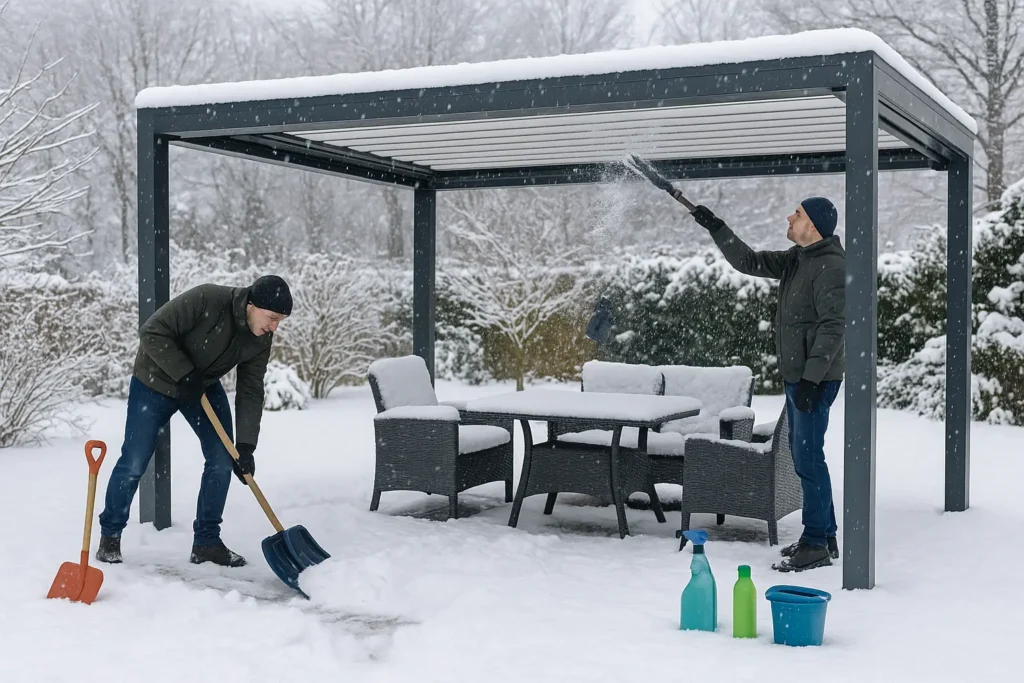
These systems can easily tank February snow loads. Aluminum beams handle 30-40 pounds per square foot, which exceeds typical Chicago snowfall accumulation rates by a comfortable margin.

Plus, closed louvers create a pitched surface that sheds snow and ice rather than collecting weight on top of your pergola. These built-in drainage channels direct melting snow away from your foundation and prevent pooling under the structure. It protects your patio surface from freeze-thaw damage.

Protection from Summer Storms

Wind ratings usually reach 90 mph (the upper limit for moderate wind threat) for quality systems, and they stand firm during severe thunderstorms that blow through from Lake Michigan. After three decades of pergola installations across the Chicago area, we’ve watched these aluminum systems hold their ground through storms that ripped apart neighboring shade structures.

What’s more, rain sensors close louvers within 30 seconds of detecting moisture, and protect your outdoor furniture before you even notice it’s raining. Lightning-safe aluminum construction also includes proper grounding to direct strikes into the earth below your pergola.

Sizing Your Retractable Roof System

Through countless installations in Naperville and Hinsdale, we’ve learned that most homeowners underestimate their coverage needs by about 2 feet. It’s best to get the measurements right from the start to save you from costly adjustments later. Once you nail down the measurements, everything else falls into place.

Let’s walk through the necessary sizing decisions for your outdoor space.

Panel Configuration for Different Spaces

If you have a fompact patios, it needs fewer panels with tighter spacing, while sprawling decks require full coverage systems that span the entire area. Along with that, corner installations use L-shaped configurations to wrap around house angles and protect multiple seating areas (we’ve faced that issue countless times with Hinsdale homes).

On the other hand, freestanding models work for pool areas or gardens away from house mounting points. These standalone pergola structures need their own post systems but offer flexibility for backyards where attaching to the home isn’t possible.

Coverage Area Measurements

Width measurements span between your mounting beams where the canopy attaches above your patio. And projection measures how far the canopy extends outward from your house wall or freestanding posts into the yard.

Usually, single-section canopies work for spaces up to 16 feet wide, while larger areas need two sections to maintain proper structural support.

Pro Tip: Add 6-12 inches beyond furniture edges so rain doesn’t splash onto seating during storms. This buffer zone keeps your outdoor space usable in any weather.

Coverage Area Measurements

Custom Fabric and Color Selection

You can get good fabric options like light-filtering mesh and complete blackout materials, depending on the sun exposure in your backyard. In general, neutral tones like beige and gray match most home exteriors in Naperville and Oak Park neighborhoods.
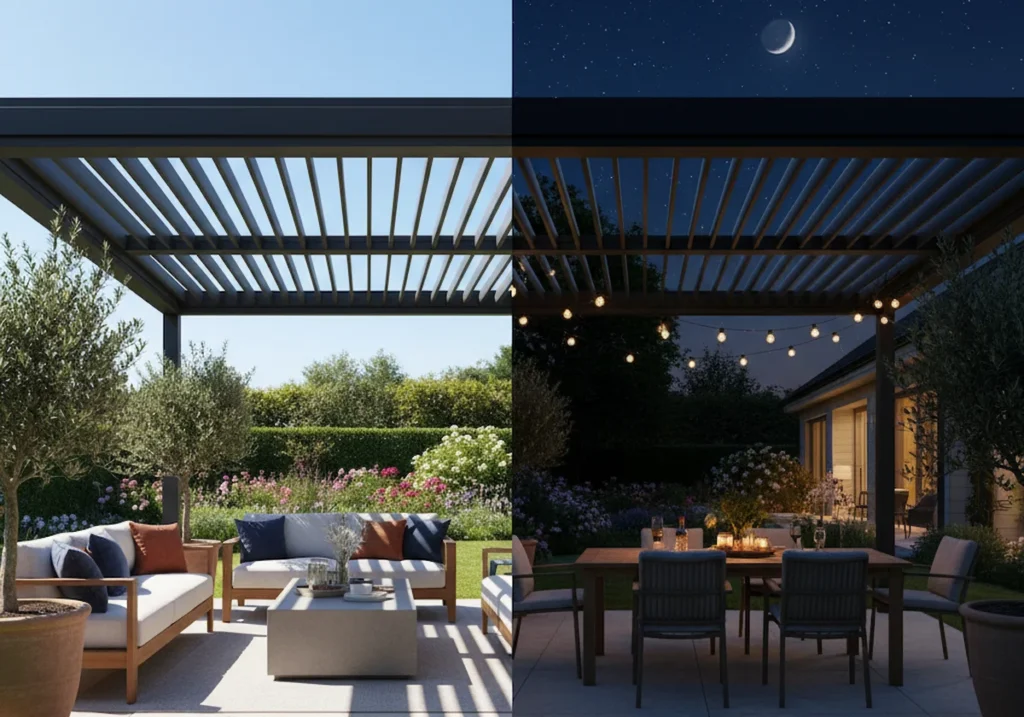
In contrast, multicolor effects with two fabrics for striped patterns add visual interest to plain yards. You can customize the combinations to match your home’s existing outdoor color scheme and landscaping features around your property.

Composite Materials and Durability

Aluminum pergola frames pair with composite fabric canopies that resist UV damage and mildew growth better than traditional canvas materials. These engineered fabrics maintain their color for 10-15 years without fading, which means your outdoor living space looks newer longer.

The composite construction also handles temperature changes like -20°F Chicago winters and 95°F summer heat without cracking or warping. Each system includes 2-9 panels, depending on your projection length. It comes with two-section installations that feature a 1-inch gap between sections. So it can flex during wind and temperature changes.

Comparing Retractable Pergolas to Shade Sails

Once you understand retractable pergola benefits, you’ll see why they outperform shade sails in durability and function. The upfront price difference looks negligible when you factor in replacement cycles over 10-15 years.

Here’s how these two outdoor shade options stack up against each other:

FeatureRetractable PergolasShade Sails
Installation Cost8,000-$25,000$800-$3,000
Lifespan20-30 years5-7 years
AdjustabilityMinute-by-minute controlFixed once installed
Wind Resistance90+ mph40-50 mph
Additional FeaturesSupports lighting, fans, and heatersCannot support add-ons safely
Property ValuePermanent increaseNo resale appeal
Replacement CostMinimal maintenanceFull replacement every 5-7 years

Shade sails might cost less initially, but you’ll have to buy three or four sets over the lifespan of one aluminum pergola system (one good storm and you’re shopping for new sails). Overall, the advantages are more prominent when you compare long-term outdoor living performance between these two options.

Your Next Step to Better Outdoor Living

Retractable roof pergolas give you weather control, furniture protection, and property value increases that fixed structures can’t match. The aluminum construction handles Midwestern seasons while adjustable louvers let you customize shade and ventilation daily.

After considering all these options, you can start with the measurements of your patio or deck. Then explore fabric colors and panel configurations that fit your home’s style and your family’s needs.

If you’re ready to upgrade your outdoor space with a system built for Chicago weather, Paper Crown Gallery brings over 30 years of pergola experience to every installation on our website. Our design team works with homeowners across Naperville, Hinsdale, and Oak Park to create outdoor living spaces that function beautifully year after year.

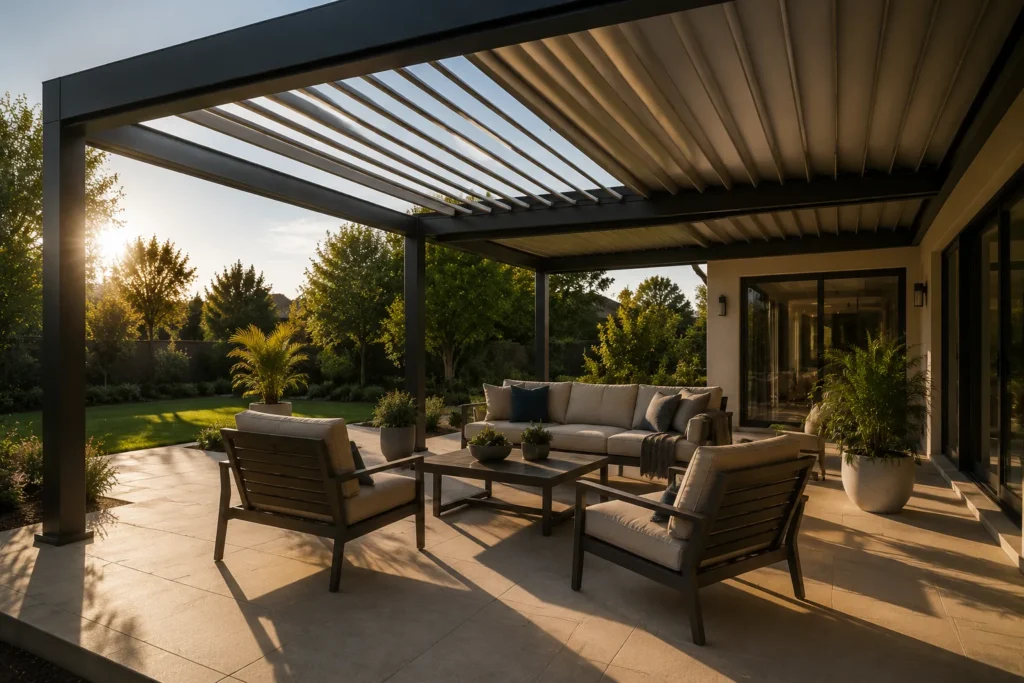
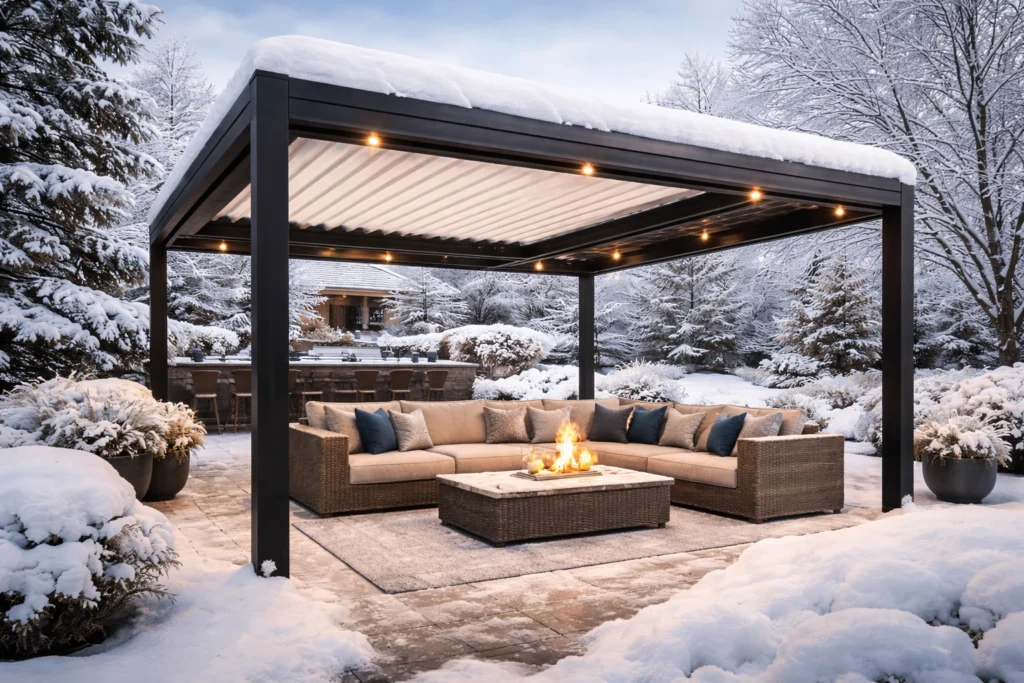
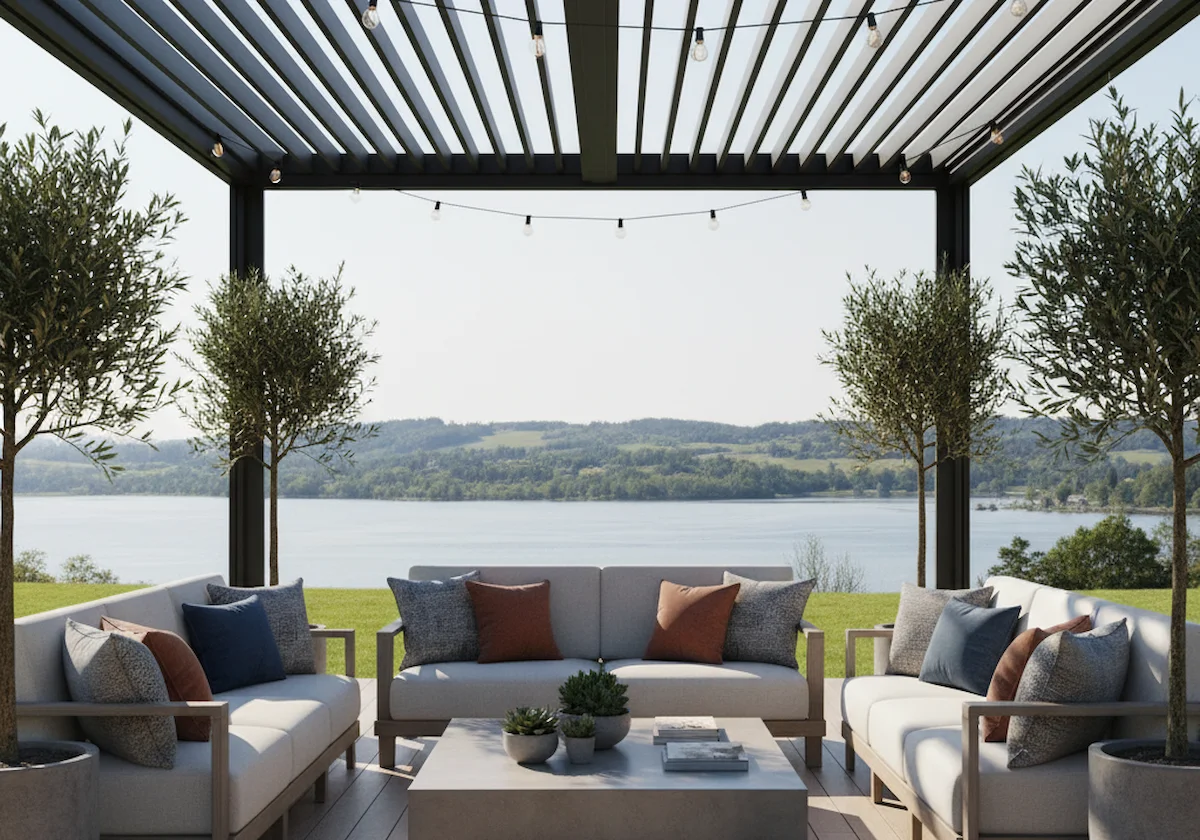
Modern retractable pergola over patio seating area

Retractable Pergolas in 2026: Designs That Transform Outdoor Living

A retractable pergola can turn your patio into a space you use 300 days a year instead of just 50. That’s the difference good outdoor design makes. You get shade when the sun’s too intense, sunshine when you want it, and protection from rain without running inside. Sounds perfect, right?

Here’s the catch. Walk into any home improvement store or browse online, and you’ll find hundreds of pergola styles. Motorized or manual? Louvered or fabric? For your pool, patio, or garden? The options pile up fast. One wrong choice means thousands of dollars on a structure that doesn’t fit your lifestyle.

We’ve spent 30 years at Paper Crown Gallery helping homeowners sort through exactly this mess. In this guide, we’ll break down the types of retractable pergolas, the designs that actually work, and what drives the cost up or down.

Let’s start with the basics of what makes a pergola “retractable.”

What Is a Retractable Pergola?

A retractable pergola is an outdoor structure with a roof that opens and closes to adjust shade and sun exposure on demand. Think of it like a sunroof for your patio, only bigger. The roof sits on four posts (or attaches to your home with just two). When you want full sun, you open it, and if the heat gets too much or rain starts, you close it. Simple as that.

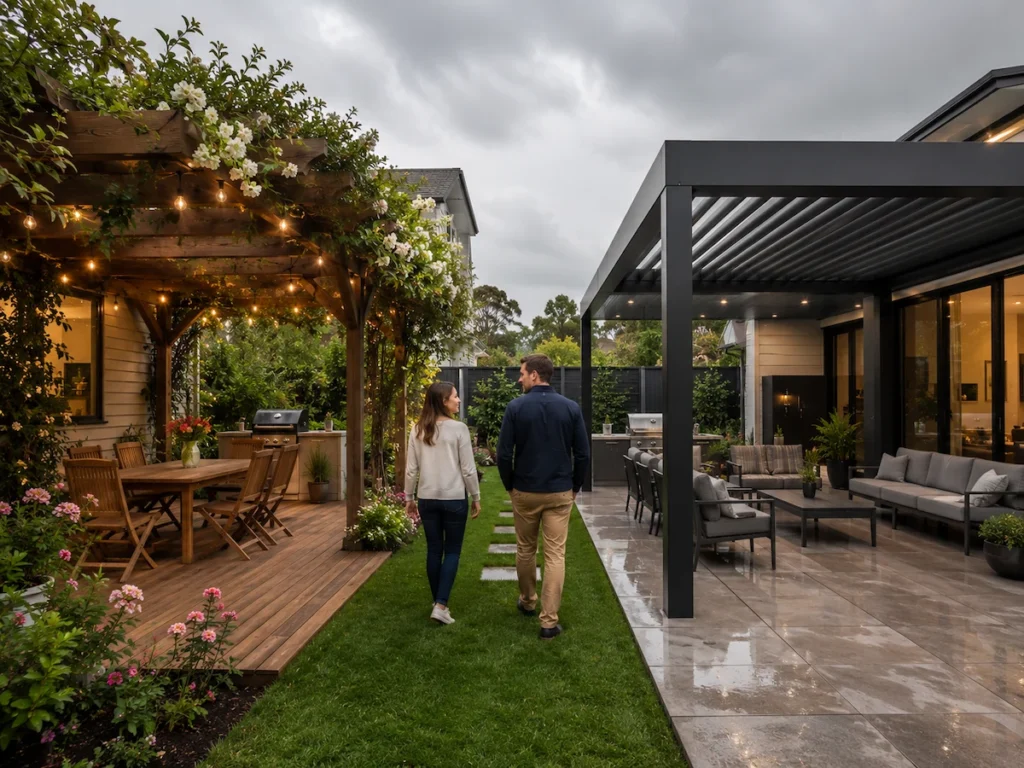
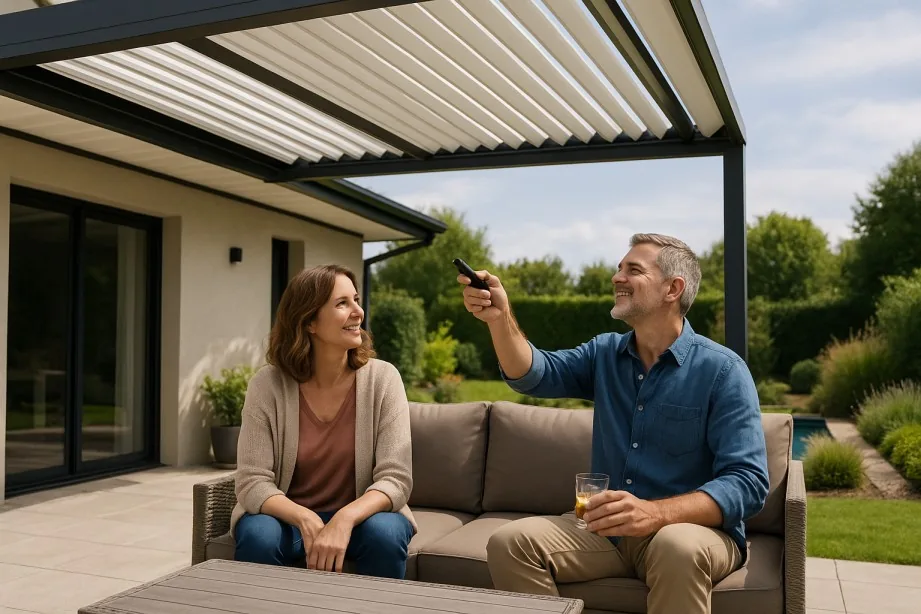
Couple adjusting a retractable pergola outdoors

Unlike a fixed pergola that gives you the same coverage all the time, a retractable setup lets you control exactly how much light and air flow you’re getting. That is what makes them perfect for outdoor spaces such as patios, poolside areas, and garden seating.

Types of Retractable Pergola Systems

Which retractable pergola system fits your outdoor space best? It depends on how often you’ll adjust coverage and whether you prefer fabric or metal roofing. Here’s a look at the four main options:

1. Motorized Retractable Pergolas

These are the high-tech versions of pergolas. Just tap a button on your remote or smartphone app, and the roof adjusts itself. Convenient, right? They’re especially handy for larger patios or poolside areas, where reaching a manual mechanism would be a hassle.

2. Manual Retractable Pergolas

Sometimes, simpler is better. With a hand crank, you control the roof yourself. It’s a little effort, yes, but perfect for smaller patios where a quick adjustment once or twice a day is all you need.

3. Fabric Canopy Systems

Want to add personality to your outdoor space? Fabric canopies slide across tracks to give full shade and come in a range of colors, from neutral beige or gray to bold tones that make a statement.

They’re great if you want a soft, stylish look that complements your furniture. Fabric needs more maintenance than metal and may require replacement after several years of sun exposure. UV rays break down the material over time.

4. Louvered Roof Systems

For year-round flexibility, louvered roofs are tough to beat. Aluminum slats tilt to let in just the right amount of sunlight, or close completely when rain hits. They handle weather well and need minimal maintenance. That makes them a reliable choice for patios, pools, or garden seating areas.

Why Retractable Pergolas Improve Outdoor Living in 2026

Retractable pergolas give you full control over weather exposure while adding usable square footage to your yard for most of the year. Plus, you get smart features, better materials, and designs that actually fit modern outdoor spaces. Let’s take a look at each benefit in detail.

Year-Round Weather Control and Fresh Air on Demand

Summer heat hits hard? You can close the roof when temperatures climb too high. Then you open it back up when the cool air returns. No more avoiding your patio or pool area because conditions aren’t quite right.

On top of that, most pergolas have durable metal frames, which resist UV rays and withstand harsh weather. In fact, research from the National Institutes of Health shows that well-designed shade structures can significantly reduce UV exposure in outdoor spaces.

That’s pretty big when you’re spending hours outside with your family. It’s worth every penny for both safety and comfort.

Smart Automation and Outdoor Design

Motorized pergolas have stepped up their game. Now you can sync them with your home systems and control everything through voice commands or scheduled settings based on the sun’s position.

But wait, there’s more. These new models come with built-in LED lighting and heating elements that extend usability into evening hours and cooler months. Now you can enjoy a romantic dinner or family gathering without waiting for the sun to go down.

And the sleek aluminum designs fit modern outdoor kitchens and seating areas without clashing with your existing style.

Benefits for Pools, Patios, and Gardens

Set a pergola poolside and you get instant shade for swimmers while protecting furniture from sun damage and rain.

Over patios, these structures create defined outdoor rooms that give shade and shelter. That makes them perfect for entertaining guests. Think of it as adding another living room to your home, without the walls.

Adjustable roofs also help in gardens or on terraces where you’re growing plants. Too much sun burns delicate herbs and vegetables. A retractable system lets you dial in exactly what your garden needs without building separate shade structures.

Top Retractable Pergola Designs for Outdoor Space

Retractable pergolas have become more versatile than ever. From high-tech automation to stylish fabrics, there’s a design for every style and layout. Below are the top three designs we’ve found to deliver the biggest impact in real outdoor spaces.

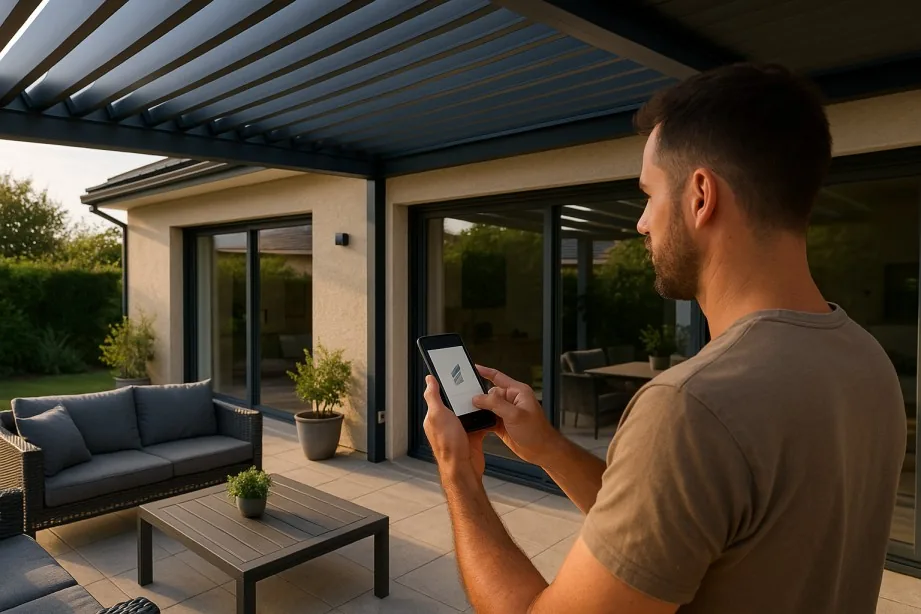
Person controlling motorised louvre pergola outdoors.

Bioclimatic Pergolas With Fully Motorized Louvers

These pergolas use rotating aluminum slats to control sunlight, airflow, and rain protection. Some even close automatically when the weather changes, and smart assistants let you control everything with an app or voice. It feels like the pergola works with you.

Cantilevered Retractable Pergolas

Need open space without posts getting in the way? A cantilevered design supports the roof from one side. That leaves plenty of room underneath for more furniture, loungers, or even a dining set. And you still get full control over sunlight and shade with a crank or motor. The result is a modern, airy layout that makes your outdoor space feel bigger and more inviting.

Hybrid Pergolas With Sliding Glass or Polycarbonate Panels

Hybrid pergolas combine modern skylight-style panels with the openness of a traditional pergola. In these systems, the glass or polycarbonate panels slide or stack away, and many include screens or glass sidewalls for year-round use.

Because of this flexibility, you get a bright, airy zone that feels like a sunroom without shutting you off from the outdoors. On clear days, sunlight fills the area, while during less-friendly weather, the panels provide reliable protection from rain or wind.

Overall, it’s a versatile option for patios, terraces, or poolside areas with clarity, comfort, and a polished look.

Retractable Pergola Costs and What Affects Pricing

Let’s be real here. Retractable pergolas aren’t cheap. You’re looking at a wide range depending on size, materials, and features.

For example, a basic manual setup for a small patio might start around $3,000 to $5,000. But add features like motorization, smart controls, and premium materials? That number jumps to $15,000 or more for larger installations.

Here’s a rough breakdown:

Pergola Type

Estimated Cost Range

Manual fabric canopy (small)

$3,000 – $6,000

Manual louvered system (medium)

$6,000 – $10,000

Motorized aluminum (medium)

$10,000 – $15,000

Motorized louvered with smart features (large)

$15,000 – $25,000+

The actual price depends on what you choose and where you’re installing it. Let’s break down the two biggest factors.

Material Choices: Aluminum vs. Wood

Aluminum pergolas cost more upfront but need less maintenance and resist weather damage over time. You don’t need to repaint or reseal aluminum either.

Wood, on the other hand, looks traditional and costs less initially, but requires regular staining and sealing treatments to prevent rot and warping.

The difference shows up years later. Metal frames last for decades with minimal care. Wood may need replacement parts after heavy weather. One bad storm can crack beams or warp posts if the wood isn’t properly treated.

Size and Additional Features

The bigger the pergola, the bigger the bill. Larger structures covering pools or full patios increase material costs and may require additional structural support. A 10×10 setup might cost $8,000 to $12,000, while a 20×20 structure can easily hit $20,000 to $30,000. That’s nearly three times the price for double the size.

Beyond the basic structure, features drive costs up quickly. Motorized systems, built-in lighting, and rain sensors add several thousand dollars to the base price (and trust us, those upgrade costs add up faster than you’d expect).

Want custom colors or curved designs? Expect additional charges for those, too. Integrated heating elements push the price even higher, sometimes adding $2,000 to $5,000, depending on the system.

Maintaining Your Retractable Pergola Through Summer and Beyond

Once your pergola is installed, a few simple maintenance steps keep it running smoothly for decades. Most of this takes about 20 minutes a few times a year. Here’s what you need to focus on.

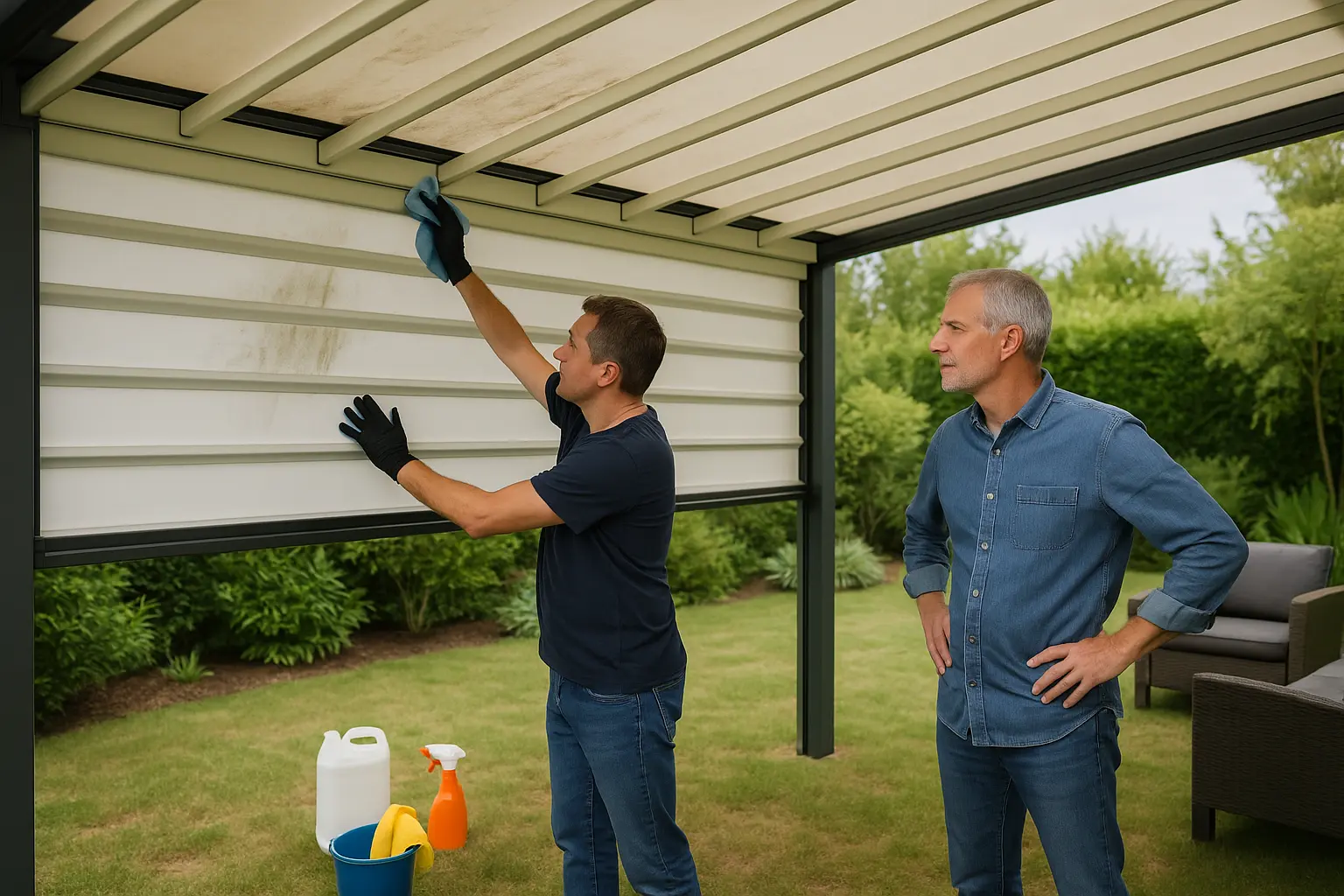
Homeowners cleaning and inspecting a retractable pergola

Cleaning Metal Frames and Fabric Canopies

  • Wipe Aluminum Frames: Use soapy water a few times each summer to remove pollen and dust. A quick garden hose rinse works too.

  • Brush Fabric Canopies: Hose them off gently to prevent mildew in humid climates. Catch spots early before they set in.

  • Rinse Louvered Roofs: Clear debris from tracks occasionally. Leaves and dirt build up in the channels over time.

Seasonal Inspections for Longevity

  • Check Motorized Components: Inspect remote batteries before summer starts to avoid mid-season failures. Our team at Paper Crown Gallery has seen too many systems fail in July because batteries weren’t checked in the spring.

  • Inspect Fabric After Winter: Look for tears or fading. Retract it during heavy snow or storms to prevent damage.

  • Lubricate Moving Parts Once a Year: Apply spray lubricant to manual cranks and louvered hinges. This prevents squeaks and sticking.

These simple checks catch problems early before they turn into expensive repairs. Stick to this routine and your pergola will last for years without major issues.

Get the Pergola Design That Fits Your Lifestyle

A retractable pergola gives you the flexibility to enjoy your patio, pool, or garden on your terms. Sun, shade, rain, or shine: you’re in control. With the right design and materials, you’re looking at decades of use without constant maintenance headaches.

The best time to start planning is now. Think about how you want to use your outdoor space, what features matter most to your lifestyle, and what fits your budget. The options in 2026 give you more control and style than ever before.

Ready to take the next step? At Paper Crown Gallery, we’ve helped homeowners design and install retractable pergolas for over 30 years. Contact us today to discuss how we can make your outdoor vision a reality.

Maintenance Checklist for Retractable Roof Owners

Maintenance Checklist for Retractable Roof Owners

If you own a retractable roof, you already know pergola maintenance feels vague. We get it, you want the shade and comfort without stressing about leaks, stuck tracks, or surprise roof repairs. But the problem is, no one hands you a clear plan for roof care when the pergola gets installed.

That’s why so many homeowners love their outdoor space but still feel lost about what to clean or inspect. Now, if you’re also wondering how often to wash things down, which parts usually fail first, and how to prevent damage before it starts.

Don’t worry, you just need a simple, repeatable checklist that you can return to every season.

This guide walks you through a practical maintenance checklist you can actually follow. You’ll learn how to handle seasonal cleaning, check moving parts and fabric covers, deal with cold-weather issues, and care for different materials like aluminum and wood pergolas.

By the end, you’ll have a clear routine to keep your pergola roof moving easily and your outdoor space ready to enjoy. Let’s begin.

Retractable Pergola Maintenance 101: Your Year-Round Roof Care Plan

Retractable pergola maintenance starts with one simple idea: treat your pergola roof like part of your home rather than a decoration. It protects your outdoor space from sun and rain, so regular maintenance keeps it safe, smooth, and comfortable to use. Now you might be wondering what that actually looks like week to week.

For a start, focus on the parts that move and the places that see the most moisture. That means checking tracks, brackets, gutters nearby, and the spot where the pergola roof meets the house. When you inspect those areas, you can catch debris, mold, or loose screws before they cause real damage.

Think of this checklist as year-round roof care instead of a one-off clean. A deeper inspection once a year, plus smaller seasonal checks, helps maintain durability and appearance without feeling like a chore.

Seasonal Checks for Your Outdoor Space

Seasonal Checks for retractable roof

After a big storm, you might look at your pergola and roof and wonder what actually needs attention. Seasonal pergola maintenance is all about keeping water moving away from the structure and stopping debris from piling up. This way, you’ll reduce the risk of leaks, stains, and long-term structural damage.

For your convenience, we’ve created a quick checklist for seasonal upkeep:

  • Start by cleaning gutters, downspouts, and nearby drains so water flows off the roof deck and away from posts.
  • With a soft brush or leaf blower, clear leaves, twigs, and other debris from the pergola roof panels and frame (and yes, we have seen that circus before).
  • Once surfaces are clear, use a garden hose on a low setting to rinse dirt, then inspect for moisture marks, mold, or mildew that need regular cleaning or repair.

While all of these tasks become necessary as seasons change, there are a few issues you need to target early to ensure your pergola survives another year.

Spot Problems Early: Roof Repairs, Fabric Covers, and Moving Parts

Spotting problems early is the easiest way to keep roof repairs small and predictable. Instead of waiting for something to break, notice the little changes in how your pergola roof moves and sounds.

Spot Problems Early in retractable roofs

Here’s what this means in practice:

First, inspect the fabric covers for sagging, tiny tears, or fading that hints at UV damage. After that, run the roof slowly and listen for grinding, clicking, or any new hesitation in the arms or motor.

As you do this, glance along the tracks and brackets for rust spots, moisture marks, or dirt building up.

Drawing from our experience, those signs almost always show up before major structural damage or water infiltration. That’s why it pays to pause the system and sort out minor repair work right away.

Cold-Weather Roof Maintenance: Ice Dams, Storm Damage, and Pooling Water

Maintaining your pergola during harsh winters includes protecting the parts of your pergola and roof that hate moisture and temperature swings. Believe it or not, even one or two wild storms can do more harm than years of calm weather. That’s exactly why this part of roof care focuses on ice, wind, and standing water.

How Ice Dams Affect Retractable Roofs

Ice dams form when warm air melts snow, and then the meltwater freezes again near colder roof edges. When that happens, trapped water can creep back toward roof valleys, soffit vents, or the point where the pergola roof connects to your house.

Based on our firsthand experience, these vulnerable areas are usually where leaks and stains first appear.

Checking for Storm Damage and Pooling Water

After heavy rain or hail, start with a slow walk around the pergola and nearby roofs. From there, look for bent tracks, loosened brackets, and pooling water that sits on panels for an extended period.

If you keep seeing the same puddles, stains, or warped parts, treat that as a warning that structural damage could be starting and plan repair work sooner, not later.

Aluminum Pergola and Other Materials: What Needs Extra Attention

An aluminum pergola, a vinyl pergola, and a wooden pergola all respond differently to sun, moisture, and regular maintenance. So it makes sense to match your roof care routine to the frame and other materials you actually have.

  • Aluminum Pergolas: Start by checking joints, brackets, and fixings for early signs of corrosion. After that, rinse with a garden hose on a low setting, then use a soft-bristled brush or soft sponge and finish with a damp cloth so the coating stays even and clean.
  • Vinyl Pergolas: Keeping vinyl in top shape is mostly about stopping dirt and stubborn stains from settling in. A mild cleaner and a gentle pressure washer on a low setting will give you a deeper clean once or twice a year.
  • Wood Pergolas: The posts and beams receive the closest attention when it comes to wood. Inspect them for moisture, mold and mildew, and peeling paint, then cover any bare spots promptly so the natural beauty of the wood stays visible and protected.

When to Call a Roofing Company for Your Next Roofing Project

DIY pergola maintenance has limits, especially once the roof or structure starts to move, sag, or leak. At that point, you need a roofing company that understands both the pergola and the main roof working together.

When to Call a Roofing Company

This section helps you decide when regular inspections are not enough and a bigger roofing project should involve a pro.

  • If you notice the beams sagging, posts leaning, or the pergola roof never sitting on level, treat it as a structural warning. That is the time to bring in a roofing contractor or engineer so they can look for deeper problems.
  • Repeated leaks, stains, or soft patches around fixings tell a different story. When the same spots keep coming back, talk to a roofer and ask how they will protect the pergola while working on the house roof or commercial roof, and which parts they expect to repair or replace.
  • And before your next roofing project even starts, write down a few questions about experience, materials, and warranties. Our inspections have shown that owners who mention pergolas up front get clearer answers and a more coordinated, quality roof outcome.

Always Keep Your Pergola Moving

Now that you have a clear checklist, roof care should feel a lot more manageable.

You’ve seen how seasonal pergola maintenance, early checks on moving parts, cold-weather protection, and material-specific cleaning all work together. Plus, when you add in the signs that mean “time to call a roofing company”, you get a simple plan to maintain your pergola instead of reacting to sudden problems.

If you would like a partner instead of handling everything alone, visit Paper Crown Gallery to explore retractable roof pergola options, ask for guidance on regular maintenance, or get support planning upgrades to your outdoor space.

Retractable Pergolas

How Retractable Pergolas Transform Outdoor Living

Retractable pergolas completely change how you use your outdoor space by giving you control over shade, weather protection, and the overall feel of your backyard.
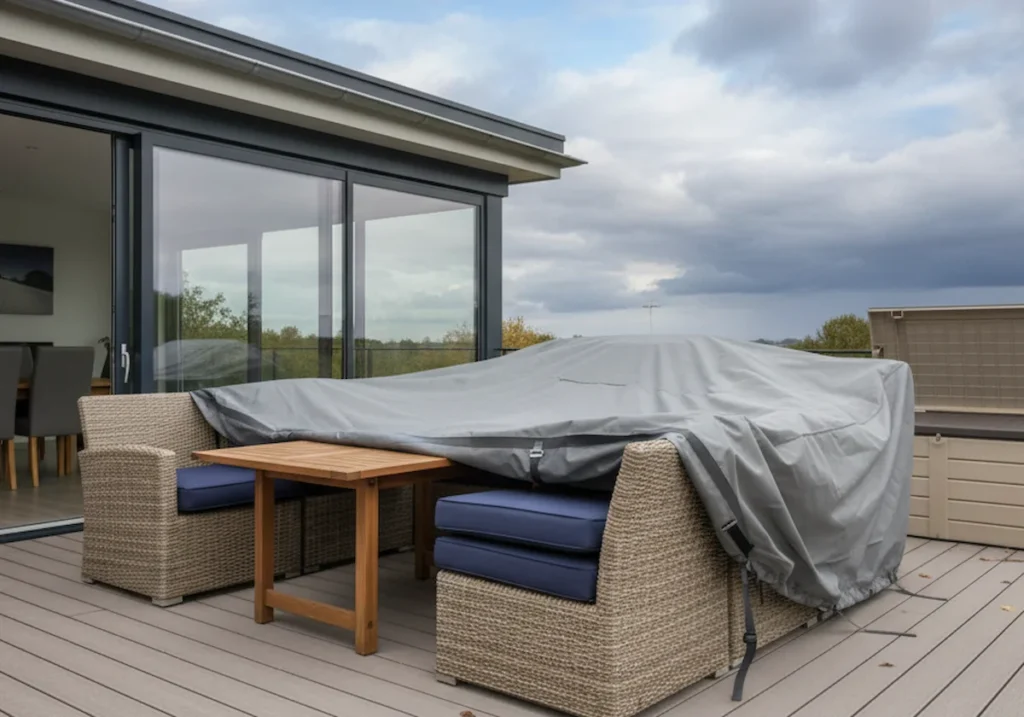
We’ve all been there. You plan a barbecue or look forward to some time outside, but a sudden downpour or harsh sun ruins your plans. But when you install a retractable pergola system, you can enjoy your outdoor area regardless of weather conditions.

In this article, we’ll walk you through:

  • Why Australians choose retractable pergolas over other outdoor solutions
  • How these systems adapt to weather and boost your property value
  • The versatility and technology behind retractable roof systems
  • Benefits of louvre roofs versus fabric alternatives
  • Customisation options and essential maintenance tips

Stay with us to discover how these systems can change your backyard experience.

Why Australians Are Choosing Retractable Pergolas

Many Australians are going for retractable pergolas because they provide the perfect solution to our unpredictable weather patterns and outdoor lifestyle needs. Rather than cancel plans when rain falls or the sun burns, a retractable roof allows you to instantly adjust your outdoor comfort.

The ability to adjust your roof coverage means you can make the most of your backyard regardless of what nature throws at you.

Why Australians Are Choosing Retractable Pergolas

Now let’s look at the specific benefits these systems bring to your home and lifestyle:

Creating the Ultimate Outdoor Living Space

A retractable pergola changes any ordinary backyard and makes it a versatile, relaxing outdoor space. These retractable roof systems suit every lifestyle, from families who love weekend barbecues to couples seeking a quiet retreat after work.

You can also open the roof to enjoy stargazing on clear nights or close it when the weather turns. So, your pergola becomes a genuine extension of your home rather than just another garden feature that sits unused half the year.

Maximising Your Home’s Value and Appeal

Beyond creating a beautiful space, a retractable pergola can be a great financial decision. Research backs this up with solid numbers. According to a Victorian government study, attractive improvements to the surroundings of a property add 27% in value.

For instance, if your home is worth $800,000, quality outdoor improvements could potentially add over $200,000 to its value!

At the same time, when you add a stylish pergola, you create extra outdoor living space that buyers are actively looking for. This is even more valuable now with families spending more time at home and seeking pergolas that are both practical and visually appealing.

In our experience, homes with well-designed outdoor features get more interest during viewings and sell faster than similar homes without them. That’s why you should think of your pergola as an investment in your property’s future.

Since you understand how outdoor improvements can add value, let’s explore how retractable pergola roofs can adapt to different weather conditions and uses.

The Versatility of Retractable Pergola Roofs

What happens when you need an outdoor space that works in both blazing heat and sudden downpours? Well, a retractable pergola roof system gives you complete control over your outdoor living area, no matter what the sky throws at you.

Even better, these are clever systems that can adapt to changing conditions throughout the day and across all seasons.

Here’s how they handle whatever weather comes your way.

Year-Round Comfort with Retractable Roof Systems

Modern roof systems make any outdoor area a comfortable space that you can use throughout the year. Once you have one installed, you can adjust to whatever weather conditions come your way without having to head inside.

Let’s look at how they handle different weather situations:

  • Shade on a Summer’s Day: On hot summer days, just close the roof to escape the heat and enjoy instant shade and comfort.
  • Weather Protection in All Seasons: When the weather changes, you can close the panels to create a weatherproof barrier above your outdoor area. Also, the side awnings work together with your roof to give you extra protection when you need an almost fully enclosed space.

The result is an outdoor area that works in any weather and gives you more chances to use your investment. That’s the kind of flexibility everyone wants from their outdoor setup.

The Versatility of Retractable Pergola Roofs

Effortless Control with Modern Technology

If you think operating these systems sounds complicated, you’ll be pleasantly surprised to know they’re very simple to use. In fact, most systems are designed so that even your kids can work them safely.

What’s more, most modern retractable roof systems come with remote control operation, so you can adjust your roof from the comfort of your chair.

Here are some modern features you can add:

  • LED lighting strips (for evening ambience)
  • Rain sensors (that close automatically)
  • Wind sensors (for protection during storms)

Besides all these convenience factors, these features work automatically, so you don’t have to think about them. After all, who has time to manually adjust roof panels when you’re trying to enjoy a barbecue with mates?

Now that you know how versatile these systems can be, we’ll look at the specific benefits that louvre roof systems bring to your outdoor living experience.

The Benefits of a Louvre Roof System

If you’re considering different roof options for your retractable pergola, you might be wondering what makes louvre systems special. The truth is, louvre roofs offer unique advantages that other roof types simply can’t match.

In this section, we’re going to cover the main benefits of a louvre roof and why it might be the perfect choice for your outdoor space.

Optimising Natural Light and Airflow

Suppose you want shade but don’t want to feel completely cut off from the sky above. That’s what makes louvre roofs so clever, as they let you adjust exactly how much light and air comes through your outdoor space.

Also, you can tilt the louvres to get a gentle breeze while still being covered from above. It’s like having a dimmer switch for your outdoor area, but for both light and airflow.

Louvres Versus a Fabric Roof

While a fabric roof is a good option, louvre roof systems have distinct advantages. For example, you get the strength and longevity that comes with quality aluminium construction. These systems are incredibly durable and weather-resistant, and are designed to handle whatever Australian conditions throw at them.

Unlike a fabric roof, a louvre roof can be adjusted to let some light and air in while still providing protection. This means you’re not stuck with a simple open-or-closed approach to coverage.

So far, you’ve learned about the versatility and benefits that make louvre roof systems so popular. Next, we’ll explore the specific features available and what you need to know about keeping your system in top condition.

Beyond the Basics: Features and Maintenance

Most people think retractable pergolas are limited to opening and closing a roof. However, modern systems offer plenty of customisation options like integrated lighting and heating systems that can make your outdoor space truly unique.

When you add the right features, you can create an outdoor area that works perfectly for your family’s needs. And with the right care, these systems will keep working perfectly for many years to come.

Let’s explore what else these systems can offer and how to keep them in excellent condition.

Customisation and Aesthetic Design

You can choose from an extensive range of options to customise your retractable pergola to match your home’s style perfectly. The available variety means you can create something that meets your unique needs while looking elegant in any setting.

Here are some popular customisation options:

  • Powder-coated colours to match your home design
  • Side screens for extra privacy and wind protection
  • Built-in heating elements for cooler evenings

Pro Tip: Add features like lighting or heating to make your outdoor area perfect for nighttime entertaining. Your guests will think you’ve got the fanciest backyard in the neighbourhood.

Keeping Your Outdoor Furniture Safe

Another great benefit of retractable pergolas is how they protect your investment in outdoor furniture. When you can control the sun and rain above, your tables, chairs, and cushions stay in better condition for longer.

Keeping Your Outdoor Furniture Safe

So you’ll spend less money replacing weathered furniture and more time enjoying your outdoor space.

Essential Maintenance for Long-Lasting Use

What does it take to keep your pergola system running smoothly? The answer depends on how well you follow a maintenance routine.

If you stay on top of basic care tasks, your system will serve you reliably for years to come.

For a system that lasts, follow this maintenance plan:

  • Clean the tracks monthly to remove leaves and debris
  • Rinse the roof panels with a hose every few months
  • Check moving parts for smooth operation twice yearly

We recommend checking all the parts for wear and tear occasionally to catch any issues before they become serious problems. Plus, always make sure the roof is completely dry before you retract it.

Trust us, nobody wants to open up their pergola and get an unexpected shower from yesterday’s rain.

Change Your Outdoor Living Today

Many people feel confused about which outdoor solution will actually work in Australia’s unpredictable climate. But when you choose a retractable pergola system, you get to control your outdoor environment through all seasons and weather conditions.

We’ve explored how these versatile systems adapt to any weather, the benefits of louvre roofs, and the customisation options available. You’ve also learned about maintenance requirements and how these systems protect your outdoor furniture investment.

Our team at Paper Crown Gallery has over 30 years of experience installing premium retractable pergola systems across Australia. If you want a reliable outdoor solution that adds value to your home, we’re here to help.

Contact us today and learn how the right pergola system can give you the perfect outdoor space your family deserves.

Designing a Pergola for Entertaining: Layouts, Seating & Built-Ins That Impress

Designing a Pergola for Entertaining: Layouts, Seating & Built-Ins That Impress

A pergola can make your outdoor space the perfect gathering spot for friends and family. When you design your pergola with smart layouts, seating arrangements, and built-in features, you create a space where memories happen naturally.

As a company specialising in retractable roof pergolas, we’ve spent over three decades installing them and learning what works for families. The best entertaining spaces have good planning that puts your guests at ease and keeps you relaxed, too.

In this article, we’ll show you how to design your pergola for amazing gatherings:

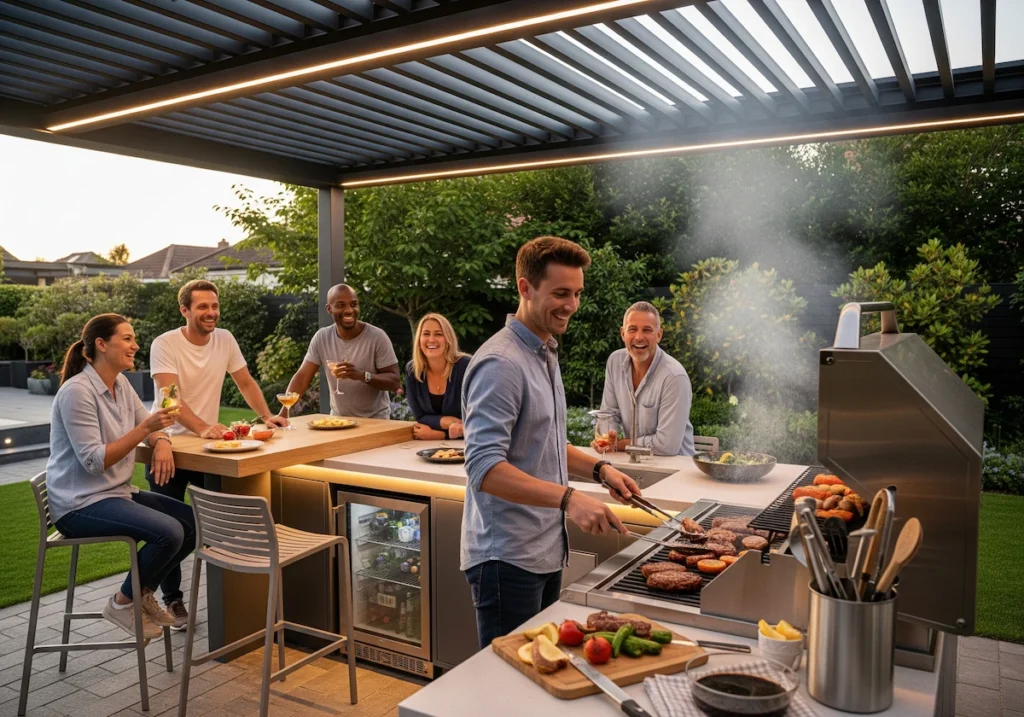
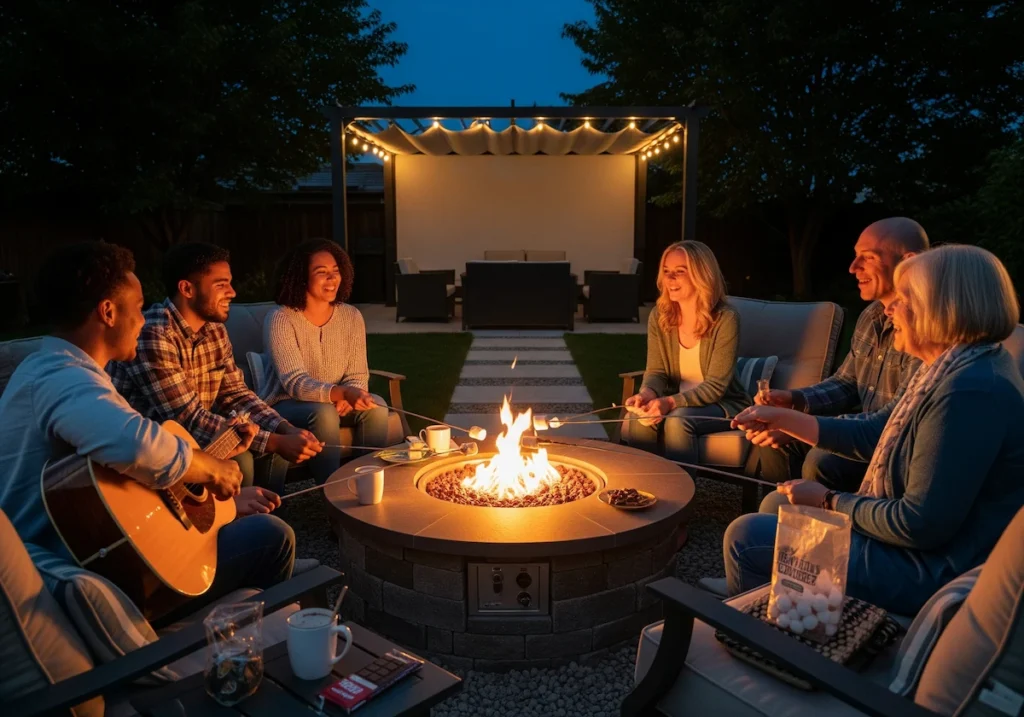
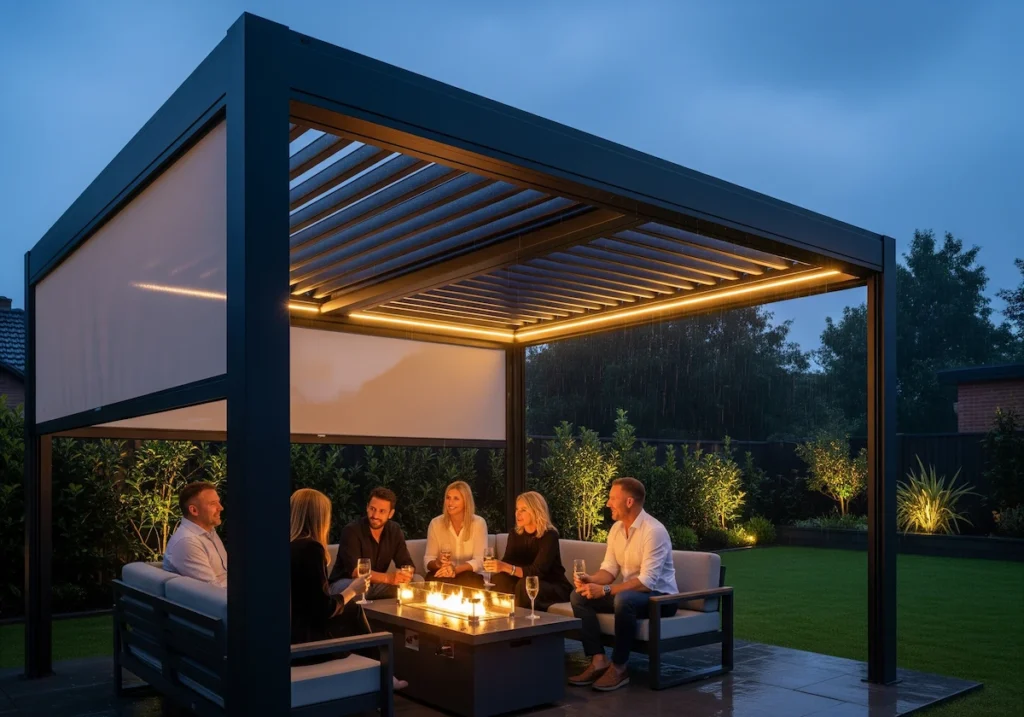
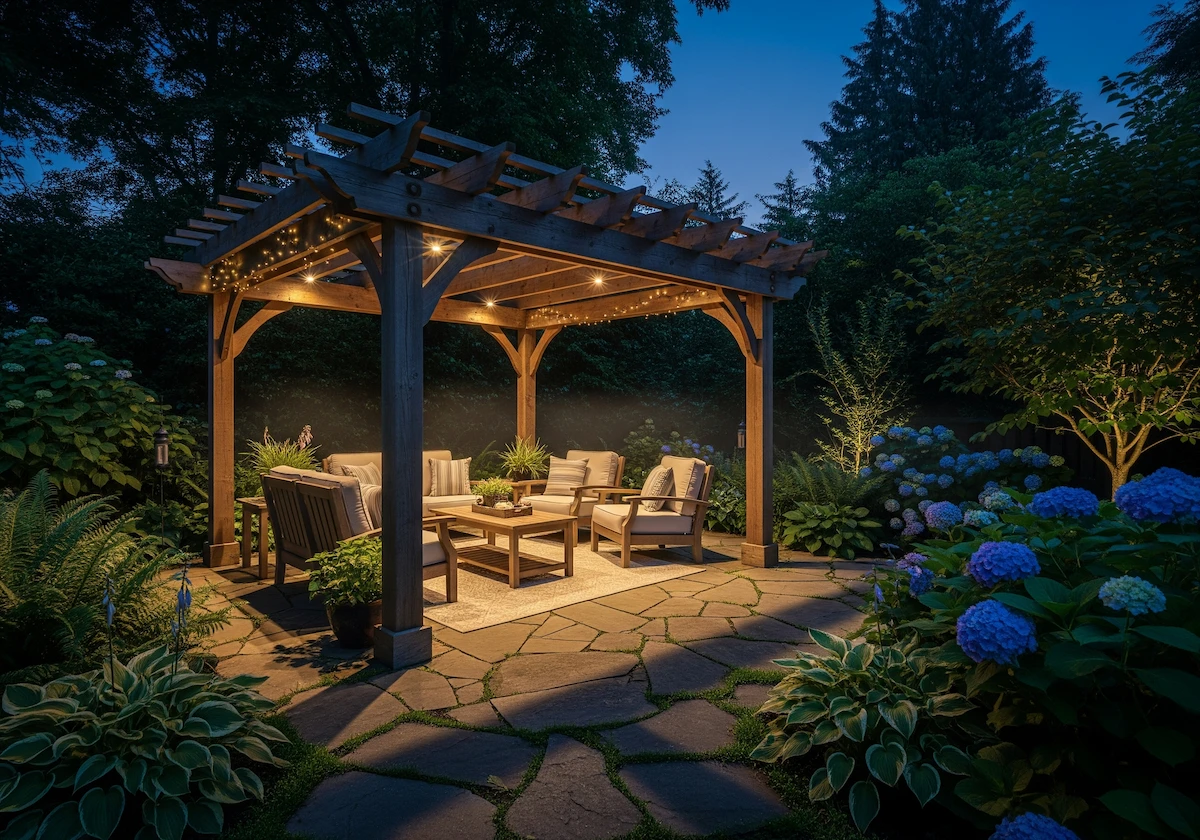
  • Space layouts that encourage natural conversation and flow
  • Seating solutions that accommodate more people comfortably
  • Activity zones that work for different group sizes and occasions
  • Weather protection that keeps the fun going no matter what

Let’s get started on designing your perfect pergola for entertaining.

How to Create an Inviting Outdoor Entertaining Space

You can create an inviting outdoor entertaining space with thoughtful planning and furniture choices, along with unique features that bring people together naturally. The biggest difference happens when your pergola feels like an extension of your home rather than just another outdoor structure. Your guests should feel drawn to linger, chat, and genuinely enjoy spending time in your space.

Here’s how to design your outdoor entertaining space for maximum impact and comfort:

Designing the Perfect Layout and Seating

What’s the secret to getting your guests talking and mingling naturally? The answer lies in how you arrange your seating under your pergola.

When you arrange your seating in a circle or U-shape, conversation flows much more easily because everyone can see and hear each other. This setup works brilliantly for backyard parties where you want people to feel included. Also,a sturdy picnic table can centre your space, provide plenty of room for food and drinks, and create a natural focal point for gatherings.

Now, when it comes to defining your space, plants can be your best friend for guiding people’s movements and making your seating area feel cosy. For instance, potted herbs like rosemary or lavender create natural boundaries without blocking sightlines. If you need to define different zones within your pergola space, large planters with ornamental grasses or small trees work wonderfully.

Integrating a Built-In Outdoor Kitchen or Bar

Integrating a Built-In Outdoor Kitchen or Bar

Imagine the convenience of grilling and serving drinks without ever leaving your guests. Sounds too good to be true, right? Well, it becomes possible when you add an outdoor kitchen under your pergola.

This way, you can chat with everyone while flipping burgers on the barbecue or mixing cocktails at your outdoor bar. However, just remember that your outdoor kitchen should match your entertaining style and budget. More often than not, a simple grill station, mini fridge, and prep counter are enough to keep you connected with your guests while handling all the food prep.

Based on our experience, even basic outdoor kitchens change how people entertain. You’ll find yourself hosting more often because the whole process becomes so much easier. Plus, you’ll never again have to sprint back and forth between the kitchen and your guests like you’re training for the Olympics.

Now that you’ve got the functional elements sorted, you might be wondering how to add your personal touch to make gatherings truly memorable. The next step involves adding personality and style that reflects who you are as a host.

Personalising Your Pergola for Themed Gatherings

How do you create the perfect backdrop for special celebrations in your ordinary outdoor space? Well, add personal touches that match the occasion and make your pergola feel custom-designed for that specific event.

Let’s look at how to style your pergola for different occasions:

Setting the Scene for a Birthday Party or Baby Shower

Suppose you’re planning a birthday celebration or baby shower under your pergola. Where do you start with decorations? Wrapping string lights around the horizontal beams is your first step, because they instantly create a festive atmosphere that photographs beautifully. Plus, your guests get that warm, happy feeling the moment they walk into your decorated space.

Different occasions call for different approaches, though. For instance, baby showers need soft pastel decorations and hanging plants that add that gentle, welcoming touch that parents-to-be love. And birthday parties work better with bolder colours and fun elements that match the guest of honour’s personality. Your pergola’s structure gives you plenty of spots to hang decorations without looking cluttered and makes it easy to accommodate friends and family of all ages.

Pro tip: Always hang decorations the night before your party. You’ll thank yourself later when you can focus on food prep instead of wrestling with tangled fairy lights at the last minute.

Adding Ambience with Lighting and Decor

If you want your party to have that warm evening atmosphere, then lighting is the way to do it. It’s an easy way to set the tone and keep the energy going all night long as your guests relax and enjoy themselves. Every time you add the right lights, your outdoor space feels more inviting and party-ready.

Here are your best lighting options:

  • Fairy lights 
  • Lanterns 
  • Citronella candles 
  • Solar pathway lights 
  • String globe lights

Even during daytime celebrations, thoughtful decor makes your pergola more comfortable and inviting for guests seeking shade. When the sun is shining and everyone’s having fun around the pool, colourful banners and themed table settings keep the party energy high. In this way, your pergola becomes the perfect shaded retreat where guests can escape the heat while staying connected to all the action.

Creating a Cosy Fire Pit Zone

Creating a Cosy Fire Pit Zone

A fire pit near your pergola creates the perfect spot for intimate conversations and extended parties even past sunset. When people gather around a fire, it brings them together naturally and keeps the good times rolling long after dinner ends. Isn’t it amazing how a simple fire pit can make everyone want to stay just a bit longer?

However, safety comes first when you’re dealing with open flames. To reduce risks, keep your fire pit at least 10 feet away from the pergola and any flammable elements such as hanging decorations. And make sure to always have a bucket of water or sand close at hand in case the fire gets out of control.

Also, never leave the fire unattended until it has been fully extinguished. As per standard safety guidelines, a responsible person aged 18 or over should always supervise any backyard fire. Because at the end of the day, your insurance company probably won’t accept “the marshmallows needed toasting” as a valid excuse for a pergola fire.

When you’re enjoying fresh air with friends and having fun around the fire, you’ll appreciate how this simple addition extends your entertaining season. Fire pits work year-round and give you more reasons to gather outdoors.

You know all these personalisation ideas sound great, but they only work with the right pergola foundation. The proper features and materials will determine how well your pergola handles all the decorating, lighting, and activities you have planned.

How to Choose the Right Pergola and Features

You can choose the right pergola by considering your home’s style, your yard’s size, and how you plan to use the space for entertaining. The best pergola complements your house rather than competing with it, fits comfortably in your available space, and includes features that match your lifestyle. Your pergola should feel like a natural extension of your home that makes outdoor entertaining effortless.

Here are the main factors to consider when selecting your perfect pergola:

Selecting a Pergola Design that Fits Your Home

There are lots of styles and materials available, like timber, aluminium, and steel, each with different looks and maintenance needs. When you have so many options to choose from, it can be confusing to decide which direction to go.

You don’t want to pick something that looks out of place with your house, right? So start by matching your pergola’s style to your home’s existing architecture.

If your house has traditional features like brick or weatherboard, a timber pergola with classic proportions will look right at home. However, if you’ve got a sleek modern design, an aluminium or steel structure with clean lines works much better.

One of our clients had a modern brick house with clean lines and wanted a pergola design that wouldn’t clash with their contemporary outdoor space. We installed a sleek aluminium pergola with straight beams that perfectly matched their home’s minimalist style. The outcome looked like it was always meant to be part of their house and yard.
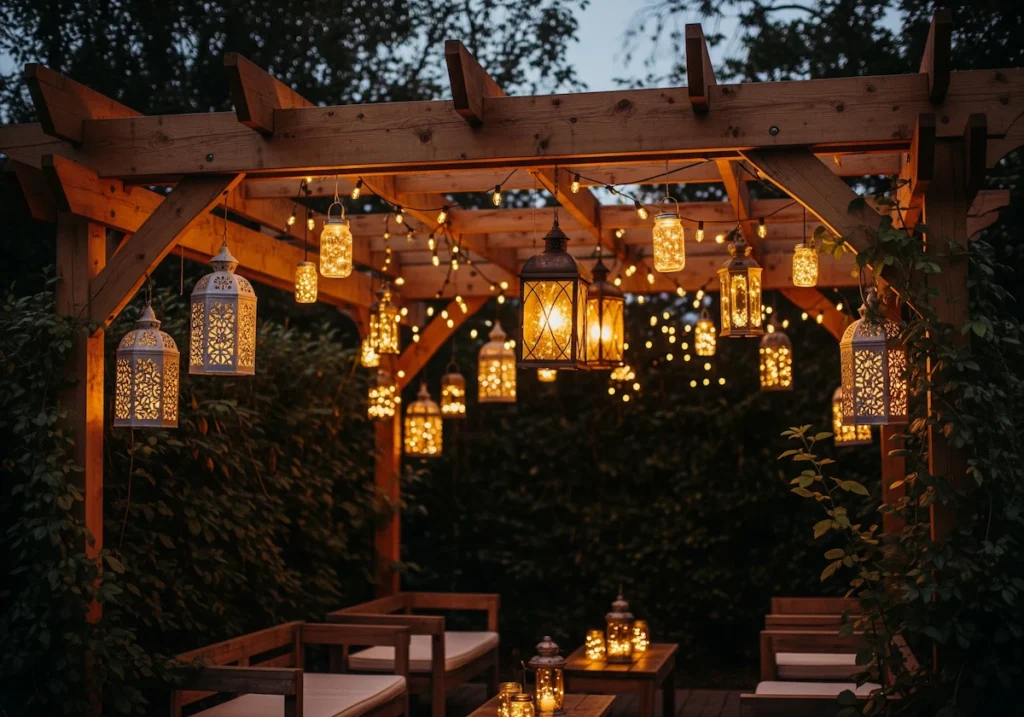
Innovative Solutions for Comfort and Privacy

Innovative Solutions for Comfort and Privacy

What features can make your outdoor pergola more comfortable and private for entertaining? There are smart features available in modern pergolas that automatically adjust to weather conditions and create intimate spaces for your guests. These innovations make your pergola more versatile and user-friendly throughout different seasons.

Here are two options that work best for both comfort and privacy:

  • Modern technology: If you want convenience, rain sensors and wind sensors can automatically close your pergola roof when storms approach. You’ll never have to worry about rushing outside to protect your furniture or guests during unexpected weather changes.
  • Privacy screens and panels: Nobody wants nosy neighbours watching their barbecue technique or party conversations. That’s where retractable screens and decorative panels give you privacy when you need it, as they can be pulled out for intimate gatherings and tucked away when you want an open feel.

These features might seem like luxury additions, but they make your pergola much more practical for regular entertaining. Pretty soon, you’ll be the go-to host because everyone will know your pergola won’t let them get rained on.

The Benefits of a Retractable Roof

A retractable roof is a must-have feature for anyone who wants ultimate control over their outdoor space. You can enjoy full sun when you want a tan, instant shade when it gets too hot, and complete roof coverage for evening entertaining under pergola lighting. This flexibility means you can use your space comfortably during any weather and at any time of day or night.

We recommend retractable roofs for most of our clients because unpredictable weather is the biggest party-killer out there. But with a retractable roof system, rain doesn’t have to ruin your party, and blazing sun doesn’t have to send everyone indoors.

Create the Backyard Everyone Wants to Visit

Your pergola can become the heart of every gathering when you plan it right. You’ll host every party effortlessly, knowing your space works perfectly for both intimate dinners and larger celebrations.

We’ve covered everything from smart seating layouts to retractable roofs that adapt to any weather. You’ve also learned how personal touches and the right features can make your pergola feel custom-designed for your entertaining style.

At Paper Crown Gallery, we’ve spent over 30 years helping families create outdoor spaces that bring people together. Our retractable roof pergolas give you the flexibility to entertain in any weather, and our experience means we know exactly what works for real entertaining situations.

Ready to change your backyard and make it everyone’s favourite gathering spot? Visit us today for a consultation and see how our retractable pergola solutions can make your entertaining dreams a reality.

Lighting Ideas That Bring Your Pergola to Life After Dark

Lighting Ideas That Bring Your Pergola to Life After Dark

Looking for fun and easy lighting ideas for your pergola? In this article, our design experts are going to share their top tips for creating stunning outdoor atmospheres, selecting the right fixtures for your space, and keeping costs surprisingly low.

Adding lights to your pergola is actually way easier and cheaper than most people expect, and anyone can do it in about 10 minutes flat. You’ll have neighbours asking for your secret while enjoying countless evenings under your beautifully lit outdoor space.

Here’s what we’ll cover to light up your pergola perfectly:

  • String lights that add instant character
  • Downlights for clear visibility
  • LED strips for sleek appeal
  • Clever combinations that work

Ready to turn your pergola into an evening showstopper? Let’s dive in.

Popular Pergola Lighting Options

Three lighting styles consistently top homeowners’ wish lists: string lights, LED lights and solar-powered lights. They’re popular because they work well, look great, and fit most budgets. Each of them offers something different for your outdoor space.

Let’s look at some popular ways to light up your outdoor space:

String Lights

String lights feature many small bulbs connected along a flexible cord. They produce that soft, romantic glow that instantly makes spaces feel intimate. That’s why they’re the first choice for most pergola owners looking to create a welcoming atmosphere.

When it comes to style options, classic homes love Edison bulb strings for that vintage charm. But, modern spaces often use sleek LED versions or curtain lights that hang vertically down pergola sides. Whatever your home’s style, you’ll find plenty of string light options for your pergola.

Energy-Efficient LED Solutions

If you want bright, reliable lighting that won’t spike your electricity bill, LED options work brilliantly because they deliver brightness while handling all weather conditions. They’re great for homeowners who use their pergola regularly for dining or entertaining.

The great thing about LEDs is their versatility in placement and brightness levels. You can dim them, brighten them, or even change colours with smart versions, giving you complete control over your pergola’s mood.

Also, recessed fixtures sit flush with the surface and provide focused light exactly where you need it.

Solar Power for Illumination

Popular Pergola Lighting Options: Solar Power for Illumination

Looking for alternatives to mains-powered lighting? Then solar-powered fixtures offer the perfect solution for pergolas located far from power sources. They’re the favourite choice for eco-conscious homeowners who want hassle-free installation.

Most solar lights come with simple clips or stakes that attach in seconds, and they require no tools to install (isn’t that great?). Since there’s no wiring, you can place them anywhere that gets decent sunlight.

There are many options available for you to choose from:

  • Post cap lights add subtle accent lighting
  • Hanging solar lanterns create charming focal points
  • Solar fairy lights charge during the day and automatically illuminate at dusk

Renters who can’t make permanent electrical changes will find them handy. You can even move them around seasonally to change your garden’s look.

Now that you know the main lighting types, let’s explore how to use them creatively for maximum impact.

Enhancing Ambience with Creative Lighting

Your outdoor living area doesn’t have to look like everyone else’s pergola setup. You can use architectural touches, fire elements, and decorative features to approach your pergola’s lighting more creatively. In this way, you’ll build a pergola that reflects your personality (instead of looking like a garden centre display).

Here are some creative lighting ideas to try out:

Architectural Lighting with Wall Sconces and Uplights

When you add wall sconces to your pergola posts or nearby walls, you’re highlighting the structure’s best features in a way that feels natural and welcoming. They create gentle pools of light that make the space feel more intimate and less like a car park.

For something more dramatic, try pointing uplights from below to create interesting shadows and eye-catching effects. These thoughtful additions can completely change how your garden feels and help your pergola become the centrepiece it deserves to be.

The Warmth and Charm of a Fire Pit

A fire pit creates the perfect warm, flickering focal point in your outdoor area. There’s something about gathering around live flames that makes conversations flow more easily and evenings feel more special.

So position your fire pit where everyone can enjoy its warmth and light. When you combine a fire pit with overhead lighting, you get that perfect ambience that makes neighbours peek over the fence with envy.

Decorative Lanterns

Enhancing Ambience with Creative Lighting: Decorative Lanterns

You can hang fairy lights or charming paper lanterns to add that dreamy, intimate atmosphere that makes spaces feel more personal. They soften the harder lines of your pergola.

If you want to try something new, get creative with different hanging options. Add Mason jars with tiny LEDs or vintage-inspired lanterns that look like they belong in a Harry Potter film. Things that showcase your personal touch create that warm, welcoming vibe that makes everyone want to stay outside just a bit longer.

As you now know all these creative lighting ideas, you may want to rush to the store and buy some lights for your pergola. But there are some important things to sort out first before you start your lighting project.

Important Considerations for Installing Pergola Lighting

Before you start adding lights to your pergola, you need to think about safety requirements, installation methods, and lighting specifications to ensure your setup works well and lasts for years. Think of it like building a house. You wouldn’t skip the foundation of your home, would you? These considerations create the foundation of a reliable lighting system you can count on.

Here are the main things to consider:

  • Safety with Outdoor-Rated Fixtures: Why do some pergola lights fail within months while others last for years? The answer usually comes down to choosing the right fixtures for outdoor conditions. Always select lights specifically designed for outdoor use to maintain safety and durability. When you buy lights, check the IP rating. The International Electrotechnical Commission recommends an IP65 rating, which means complete dust protection and water jet resistance from any direction. 
  • Measure the length: If you plan ahead, you can avoid making your pergola a messy disappointment. Start by mapping out where everything goes and calculating how long your string lights need to be. As the old saying goes, measure twice, buy once. 
  • Optimal Brightness and Light Colour: You want enough light to see clearly, but not so much that it feels like a football stadium. Beyond brightness, colour temperature creates a balance too. Warmer light colours (think soft white) create a more inviting, cosy atmosphere than cool white options, which can feel harsh and unwelcoming.

Pro tip: Experiment with different lighting options to discover what works best for your space. What looks perfect on your neighbour’s pergola might not suit your setup or your family’s needs. Every outdoor space has its own personality.

If you install your lighting properly, regular maintenance will keep everything working beautifully for years to come. Let’s see how to keep your pergola lights running smoothly for the long haul.

Maintaining Your Pergola Lighting

Maintaining Your Pergola Lighting

Simply hanging up some lights isn’t enough to keep your pergola looking brilliant year after year. You need to take care of them through regular maintenance, troubleshooting, and seasonal adjustments to ensure they continue working safely and beautifully for seasons to come.

What makes this even better is that maintenance stays manageable with just routine cleaning and quick inspections. Keep your pergola lighting clean and check it regularly to maintain optimal performance. After storms or harsh weather, it’s especially important to look for any wear and tear or loose connections that might have developed.

Plus, wiping off dust and dirt helps your lights stay bright and attractive while preventing that dull, grimy look that builds up over time.

When problems do pop up, don’t panic. Start by figuring out whether the issue lies with the hanging lights themselves, the power supply, or perhaps a dirty solar panel blocking sunlight. Speaking of solar-powered lights, ensure their panels get plenty of direct sunlight throughout the day.

As seasons change, think about protecting your investment. We recommend storing your outdoor lighting away during particularly harsh weather when possible. Many homeowners find it wise to take down some string lights during the winter or extended periods of non-use.

When you keep up with these simple maintenance tips, your pergola lighting will look amazing and function properly for years to come.

Make Your Pergola an Evening Masterpiece

The hours when your pergola goes unused once the sun goes down are over. If you can get the right combination of string lights, LEDs, or solar options, you’ll create an outdoor space that works both day and night.

We’ve covered everything from basic lighting types to creative installations and practical maintenance tips. Remember to prioritise safety with proper IP ratings, plan your installation carefully, and keep up with simple maintenance.

Ready to turn your pergola into the evening centrepiece your garden deserves? At Paper Crown Gallery, we’ve been helping homeowners create stunning outdoor spaces with our premium pergolas for over 30 years.

Let us help you design the perfect foundation for your lighting dreams.