Designing Outdoor Areas That Work Across Different Weather Conditions

Designing outdoor areas that work across different weather conditions comes down to covered shelter, durable materials, and a flexible layout. With the right setup, you can enjoy your yard during August heat and February drizzle.

Yet many outdoor areas are planned around sunny afternoons, with little thought given to rain or colder months. Once the weather changes, soaked cushions, slippery surfaces, and exposed seating areas can leave the space unused.

Good outdoor design starts with addressing those everyday problems. This guide covers patio drainage, weather protection for furniture, and decking that handles freezing temperatures. Let’s learn how to plan outdoor kitchens, pool areas, and planting for year-round use.

What Makes Outdoor Living Spaces Work in Any Weather?
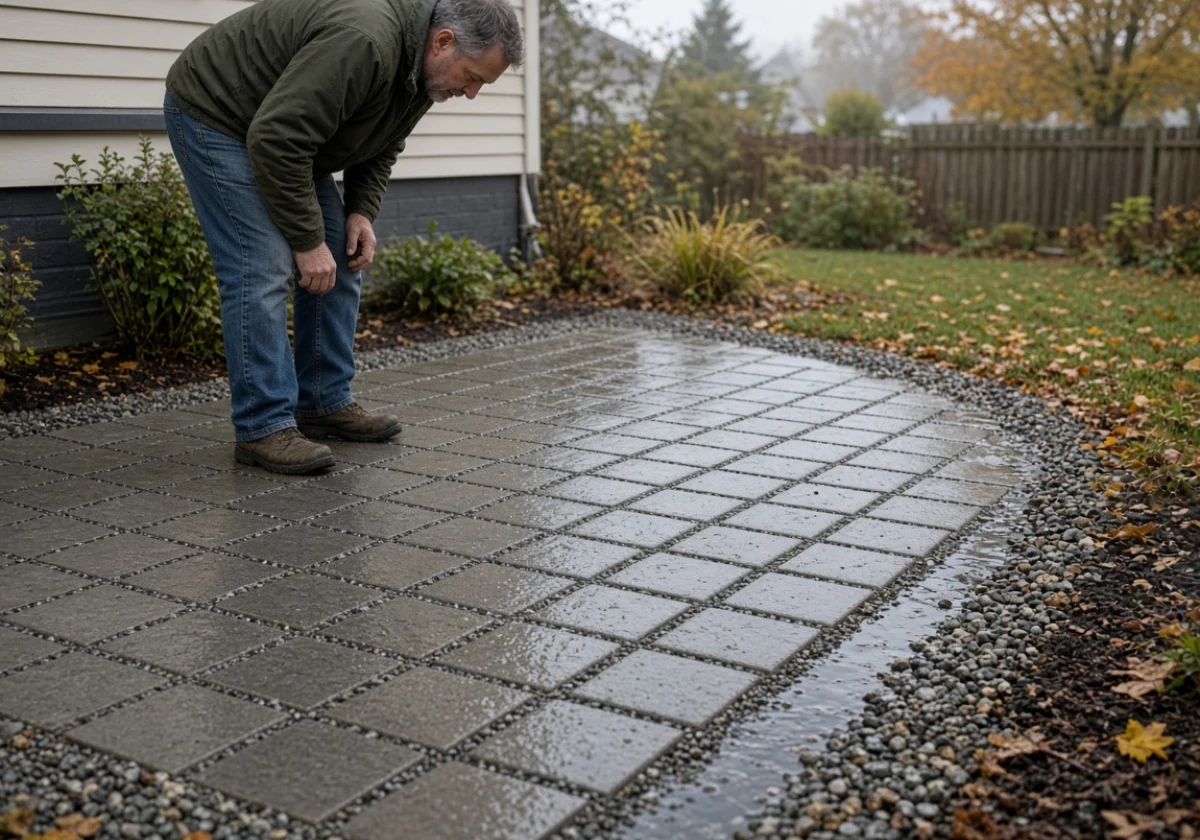
Homeowner bending down to inspect a freshly laid patio

Outdoor living spaces work in any weather when they combine overhead cover, weather-resistant materials, and good drainage. Good outdoor planning treats those three as one decision, because each protects a different part of the space.

The sections below follow the order you’d build them, starting at the ground and working up.

Patio Design That Drains Well and Dries Fast

A patio that holds water becomes slippery and may develop a green film in shaded areas. Proper drainage starts with a gentle slope away from your home, which prevents water from collecting near the foundation.

Beyond grading, patio design can let the surface handle some of the rainwater. EPA guidance on permeable pavement notes that alternatives to traditional pavement reduce runoff by allowing rainwater and melting snow to soak through.

For example, open-joint pavers and gravel beds allow water to drain, provided the base underneath drains properly. However, a poorly sloped patio can still collect water in the same low spots after every storm. You probably know which corner that is in your own yard. A walk after heavy rain helps you spot those trouble areas before planning repairs.

The Patio Covers Outdoor Furniture Needs

A solid roof protects outdoor furniture from direct sunlight and rain. UV exposure can fade fabrics and weaken some plastics over time. If you prefer control over how much sunlight enters, louvered pergolas let you adjust the slats as conditions change.

Once you’ve chosen the type of cover, consider the frame that supports it. Aluminum resists rot and needs little upkeep, while cedar posts offer natural warmth but need periodic maintenance (check the posts each spring, not each decade).

The frame and roof protect the main seating area, but they can’t keep out every bit of moisture. Cushions can still get wet during wind-driven rain or prolonged damp weather. Store them somewhere dry during long periods of bad weather to help prevent mould and fabric damage.

Choosing Deck Boards for Sun, Rain, and Snow

An overhead cover protects outdoor furniture, but the deck below still faces changes in moisture and temperature. The boards get direct sunlight from above and moisture from underneath, so choosing the right material is important.

Pressure-treated wood usually costs less upfront, but it can expand, shrink, or warp as moisture levels change. Composite decking boards offer a great alternative for homeowners who prefer less upkeep. It generally resists moisture-related decay, though dark colours can become hot under bare feet.

Whichever materials you pick, follow the manufacturer’s spacing instructions to allow drainage and natural movement. Gaps between boards help rainwater and melting snow escape. Airflow beneath the deck also helps trapped moisture dry and reduces the risk of long-term dampness.

Outdoor Comfort That Holds Up Through Every Season

Once the structure is in place, smaller additions help you stay comfortable outside as the weather changes. A windbreak, adjustable shade, or outdoor heater makes an existing seating area useful on days you’d otherwise stay indoors.

Each addition addresses a different problem, so start with the weather condition that keeps you inside most often:

  • Fences And Windbreaks: Wind can make an outdoor seating area feel colder than the thermometer suggests. Slatted fences reduce gusts without creating a completely solid barrier, though the posts still need proper support. A hedge behind the fence adds privacy and further shelter as it grows.
  • Shade You Can Adjust: A fixed roof won’t always cover your seating as the sun moves. A cantilever umbrella lets you move shade over the table later in the afternoon. Retractable awnings offer another option, since you can extend them on hot days and fold them away when you prefer sunlight.
  • Heat For Cool Evenings: A fire pit or outdoor heater makes cooler evenings more comfortable. Gas heaters offer quick warmth without logs or ash, but they still need suitable ventilation and clearance. Wood-burning fire pits need more preparation and regular cleaning. Check local fire rules before using either option.
  • Storage For Cushions And Gear: Even covered seating areas can get wet when rain blows in from the side, so having a dry place to store cushions is useful. A weather-resistant storage bench keeps them close to your seating area and saves you trips to the garage. Choose a ventilated design that keeps rain out, and dry damp cushions before storing them to prevent mould.

These additions work best when they address the conditions you face most often. If afternoon sun keeps you indoors, start with movable shade. And if cold winds cut evenings short, improve shelter before buying another heater. That way, each purchase solves a problem you’ve already noticed.
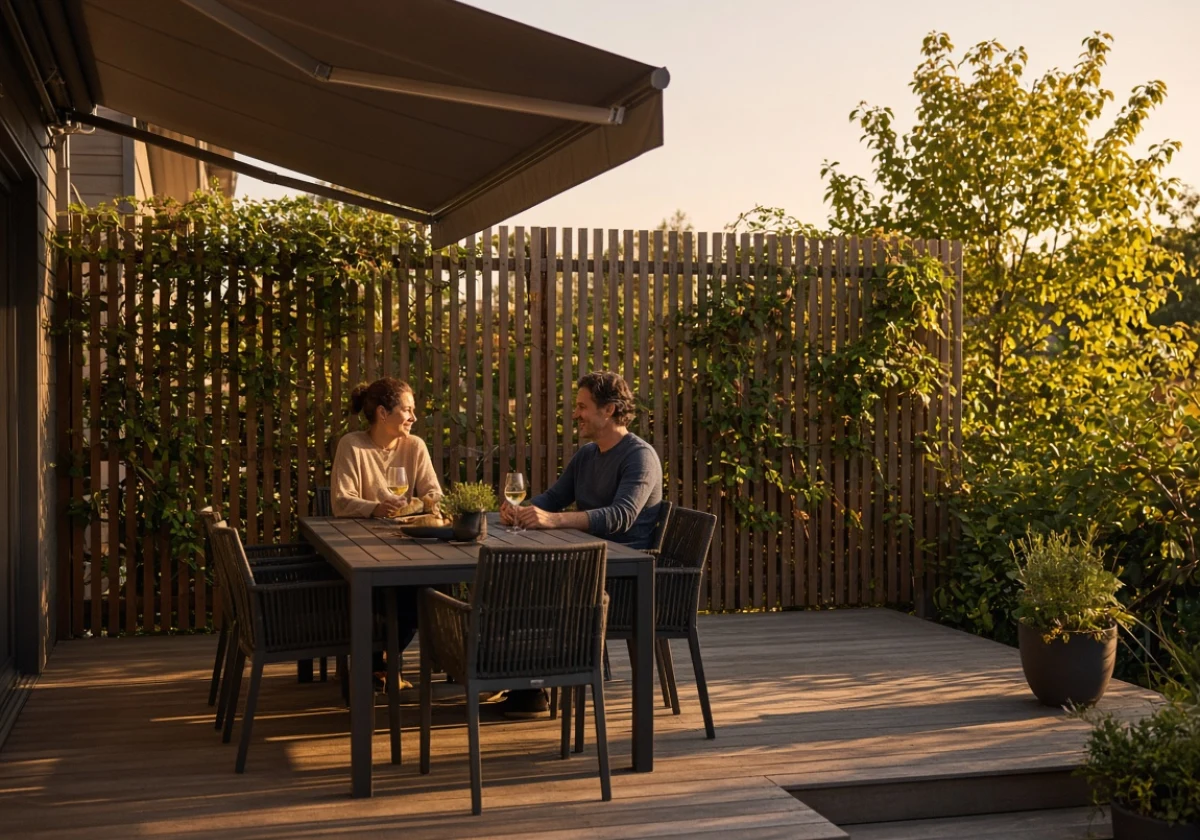
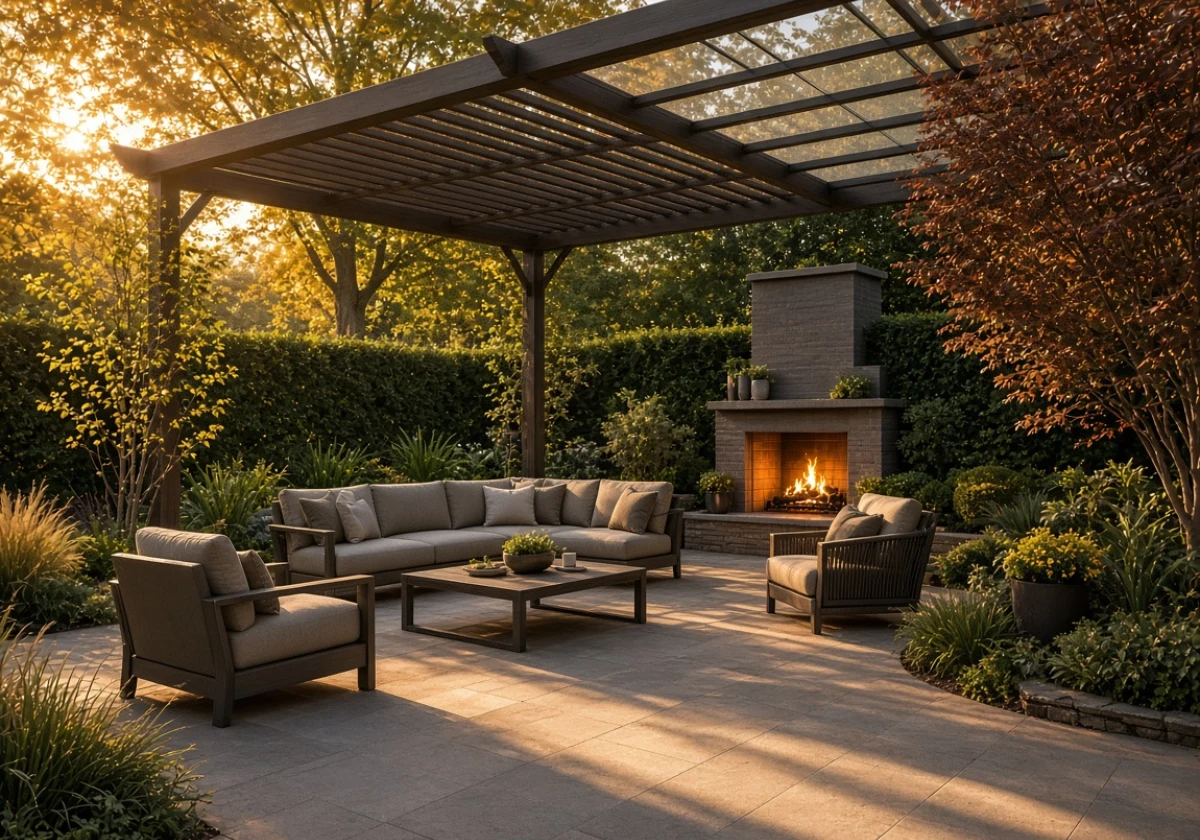
Residential backyard in late afternoon golden hour

Outdoor Kitchens and Pool Remodels: Building for Sun, Rain, and Cold

Smaller additions can improve comfort, but outdoor kitchens and pool remodels need more planning before construction begins. Their fixed features face sun, rain, and freezing temperatures throughout the year, even when nobody uses the space.

The table shows how to protect each area against different weather conditions.

FeatureHot sunHeavy rainFreezing temps
Built-in grill stationStone counters stay cooler than steelSlope the counter, cover the burnersBring hoses and regulators indoors
Pool decks and surroundsLight textured pavers cut glareOpen joints drain swimming pool splashPermeable joints limit frost heave
Covered dining areaFans move the trapped warm airGutters push runoff off the tableOverhead heaters beat open flame

The table covers weather protection, but access for maintenance also needs attention. Leave enough room around grills for servicing, plan where pool equipment will sit, and keep drainage outlets accessible for cleaning. These decisions are easier to make before construction than after the appliances and paving are in place.

Growing a Garden That Can Take Whatever the Sky Sends

With the hard structures planned, the garden ties the whole yard together. Planting can also slow wind, shade hot paving, and soften the fence line you’d rather not stare at.

Before buying plants, check your local growing conditions, starting with your hardiness zone. The USDA Plant Hardiness Zone Map update reports that about half the country moved to a warmer half zone between 2012 and 2023. The other half stayed in the same zone.

That shift may change which perennial plants survive winter in your area. However, the map measures average annual extreme minimum temperatures, not summer heat, rainfall, or soil conditions. You’ll still need to consider those factors before choosing plants.

Once you’ve checked the climate, look at how water moves through your garden. Raised beds can help in poorly drained areas by keeping roots above saturated ground. Herbs near the kitchen door, flowers along the fence, and hardy shrubs in windy corners each have different needs. Match their positions to the sunlight, soil moisture, and shelter available.

In the end, the garden that survives is the one you can reach with a hose in August, and your habits in week three of a heatwave are the real test. Keep thirsty plants a short walk from the tap, then let the far corners hold natives that feed themselves (a lesson most of us learn at least twice).
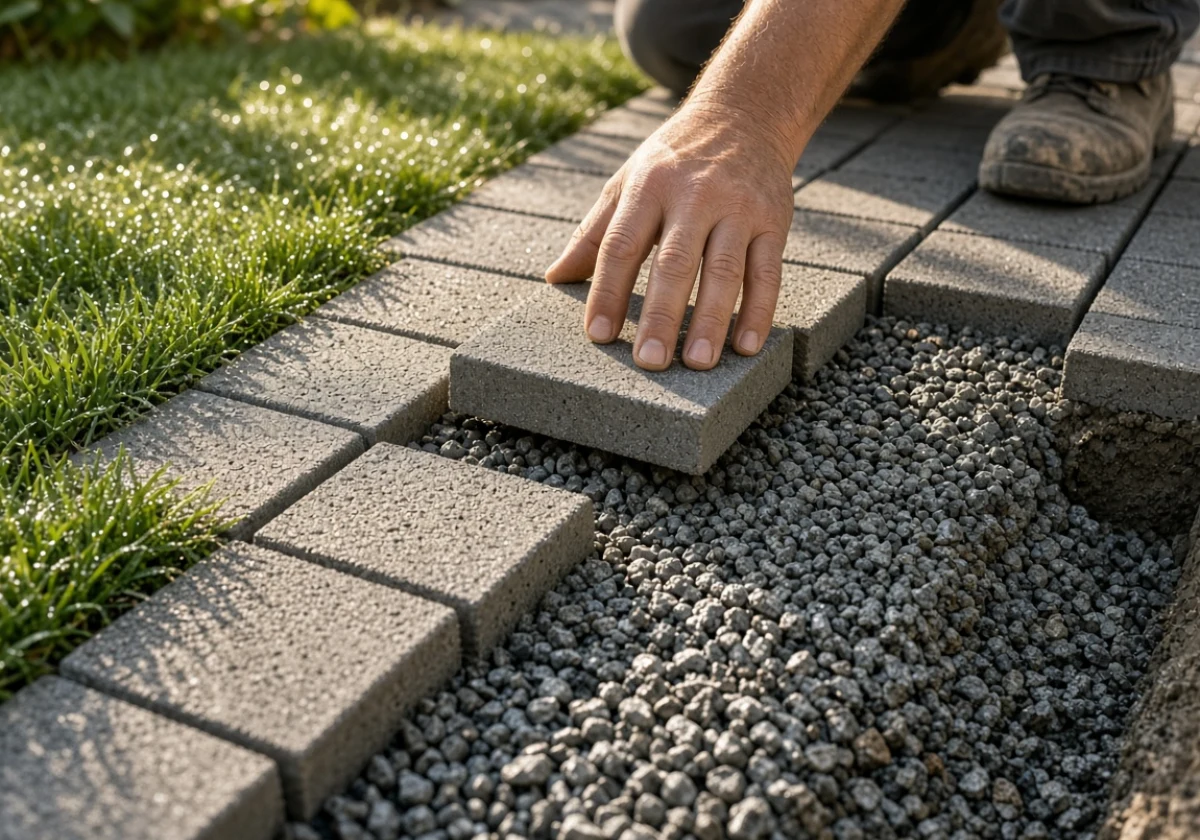
Close-up of a contractor's hand laying permeable paving stones

Plan Weatherproof Outdoor Spaces Before the Next Storm

A weatherproof outdoor space comes from a few early calls: where water goes, what sits overhead, and which materials hold the line. The finishes follow from there.

Before making changes, walk through your yard after heavy rain. Look for standing water, exposed seating, and areas where wind makes outdoor use uncomfortable. Those observations will help you decide which improvements deserve attention first.

Paper Crown Gallery shares design ideas for outdoor rooms homeowners can use all year. Contact us to talk through your layout before the first material order goes in.
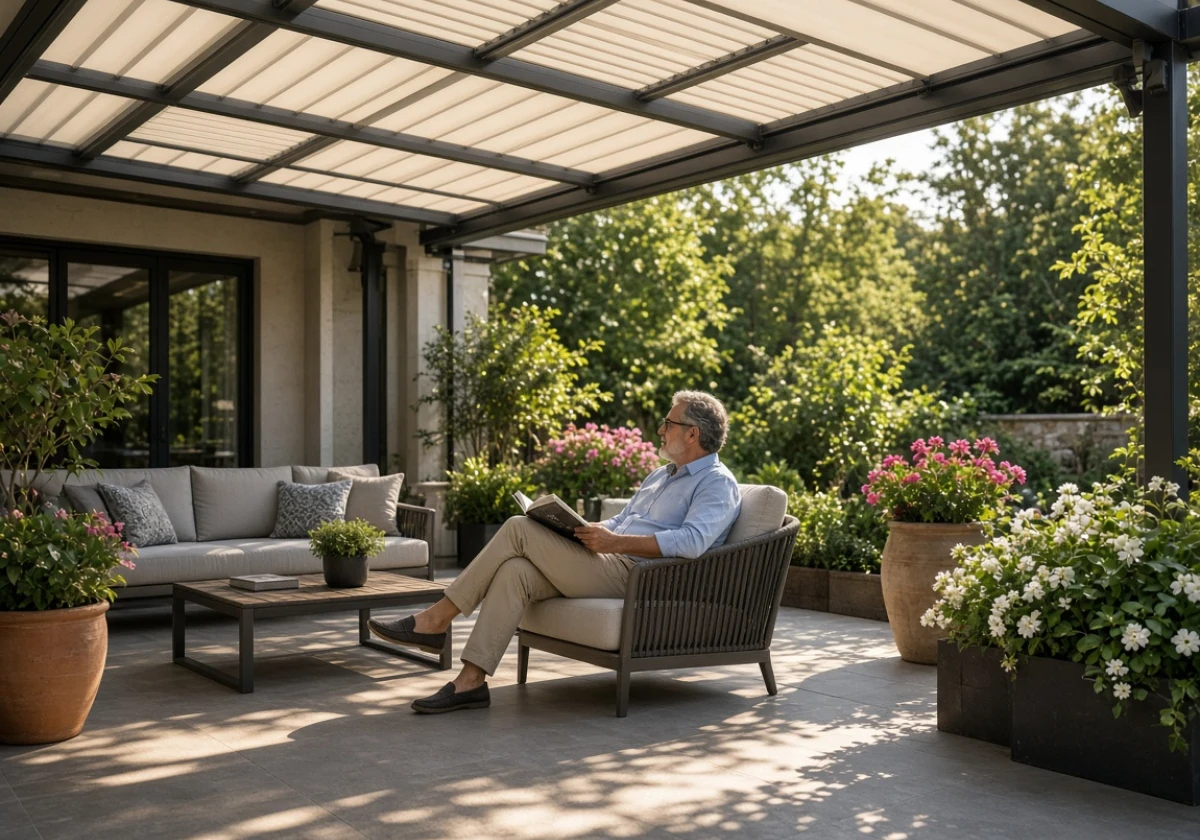
Custom Retractable Roof Systems vs Ready-Made Outdoor Shade Solutions

Custom Retractable Roof Systems vs Ready-Made Outdoor Shade Solutions

A custom retractable roof gives you a precise fit and year-round use, while ready-made shade costs less upfront. That one trade-off settles most patio projects before anyone picks a fabric or a color.

Both options arrive wrapped in the same promise of outdoor living, so the real differences stay hidden until the quotes land. One gets built around your structure, and the other asks your structure to accept a standard size.

This guide covers how motorized systems handle rain and wind, where pergola systems save money, and what each option costs across its lifespan. You’ll also see which choice fits a backyard patio and which one suits commercial spaces. Let’s get into it.

Custom Retractable Roof Systems Put You in Control of Your Outdoor Space

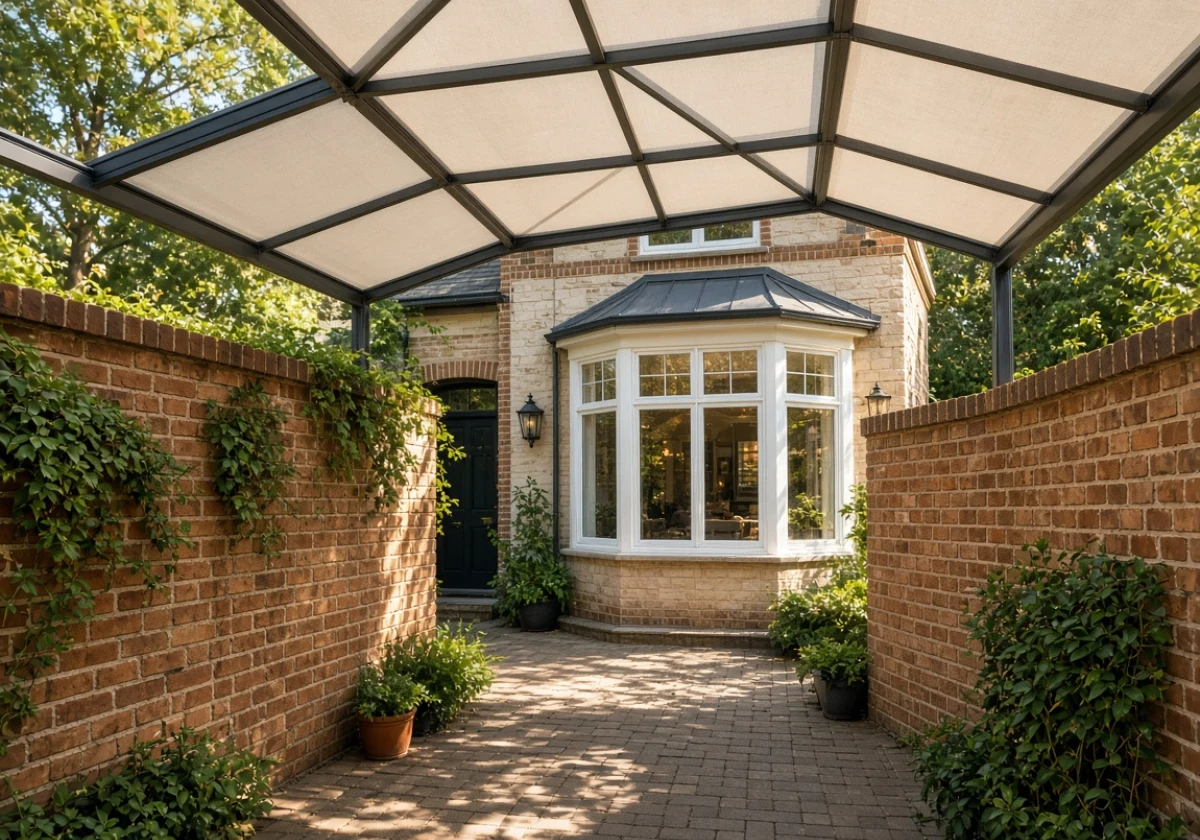
A uniquely-shaped patio with angled brick walls and a bay window

Most patio covers force you to work around their limits instead of your plans. Retractable roofs built to order start from the opposite end: your dimensions, your sun angles, and the way you already use the space.

Here’s how three parts of the build turn that control into a patio you’ll enjoy season after season:

Built to Fit Your Patio

Your patio sets the measurements before anything else does. Custom outdoor design begins there, spanning odd angles, bay windows, and walls that aren’t square, which a boxed kit can’t cover.

Because of this, the roof meets your house cleanly, with no gap where rain sneaks through. Posts land where you want them rather than where a standard frame demands. That way, a retractable patio cover sits inside the space you already use.

If you’ve ever held a tarp over the gap between an awning and a wall, you already know that limit firsthand. You also keep the sight lines that made you pick the spot (that view is usually the whole point of the patio).

Electric Retractable Panels That Respond to Rain, Sun, and Wind

Motorized retractable panels move at the press of a button, so you can close the roof as the first drops hit. Sensors handle it for you when nobody’s home.

That speed is important because the National Weather Service defines severe thunderstorms by hail at least one inch wide or wind gusts above 58 mph. An electric retractable system that pulls back early keeps fabric and frame out of that load.

In our experience, the roof you close in time outlasts the one you leave open through a squall. Open it again ten minutes later and the patio will go back to fresh air and natural light.

Materials Made for Year-Round Protection

Aluminum frames and retractable fabric carry the weather load together. The frame supports the structure against wind and snow. Fabric roofs let rain run off, while louvered systems use adjustable solid blades to provide shade from the sun.

That gives you weather protection in January and shade in July. A retractable PVC roof adds a waterproof membrane. Powder-coated finishes also hold their colour instead of chalking after a few summers.

Glass panels and Zip Screen sides then close the gaps at ground level (most wind hits a patio sideways rather than above). What you end up with is an enclosure you can heat, screen, or open at will.

Why Choose a Ready-Made Outdoor Shade Solution?

A rectangular residential patio on a bright sunny day

Ready-made outdoor shade solutions make sense when you want lower cost, quick installation, and simple seasonal coverage. They fit best on standard rectangular patios in areas with strong sun and little snowfall.

In those conditions, much of what you’d pay for in a custom build goes unused. A shade cover that only works from spring through early fall still matches how you spend time outside.

If that sounds like your patio, here are three reasons so many homeowners start with a pergola kit or a retractable awning:

  1. Lower Upfront Price: Pergola systems and retractable awnings cost less than a custom build. Most of that saving comes from standard sizing rather than thinner materials, so check this against supplier specs.
  2. Faster Setup: Many off-the-shelf shading systems install in a day or a weekend. Because the frame arrives pre-cut, you skip engineering drawings and the wait for fabrication.
  3. Easy Replacement: Swapping a worn canopy system takes an afternoon when the parts are stock sizes. Fabric, tracks, and hardware stay available for years after the sale.

These three advantages all point at the same buyer: someone covering sun during peak hours rather than building a room for every month. The CDC guidance on peak UV hours puts the strongest rays between 10 a.m. and 4 p.m. daylight saving time. A louvered pergola or awning covers that window well.

Cost and Fit: Comparing Custom Builds with Ready-Made Pergola Systems

Putting retractable roofs and pergolas side by side makes the budget decision much easier to read. Price is only one line of the comparison, though, and lifespan usually changes the math more than the sticker price does. Fit, weather use, and installation time are just as important, because together they decide how often you’ll use the space.

For example, a cover that leaves a gap at the wall or can’t handle a windy evening ends up sitting empty for months. Installation timing also affects the first year, since waiting on a frame built to order can delay your outdoor season.

The table below lines up the five factors that decide most projects:

FactorCustom retractable roofReady-made shade solution
Price rangeHigher, built to specLower, standard sizing
FitExact match to your structureClosest standard size
Weather useRain, wind, and sun year-roundMostly sun and light rain
Lifespan15 to 25 yearsFive to ten years
InstallationProfessional, two to six weeksDIY or same-day pro install

Across 20 years, one retractable roof can outlast two or three replacement awnings, which closes much of the price gap. Your choice also decides how often you’ll repeat this whole job.

Each replacement brings new fabric, fresh hardware, and another installation day, so the upfront savings shrink with every swap. That’s why we suggest comparing cost per year of use rather than the price printed on the first quote.

Choosing the Right Option for Your Patio and Commercial Spaces

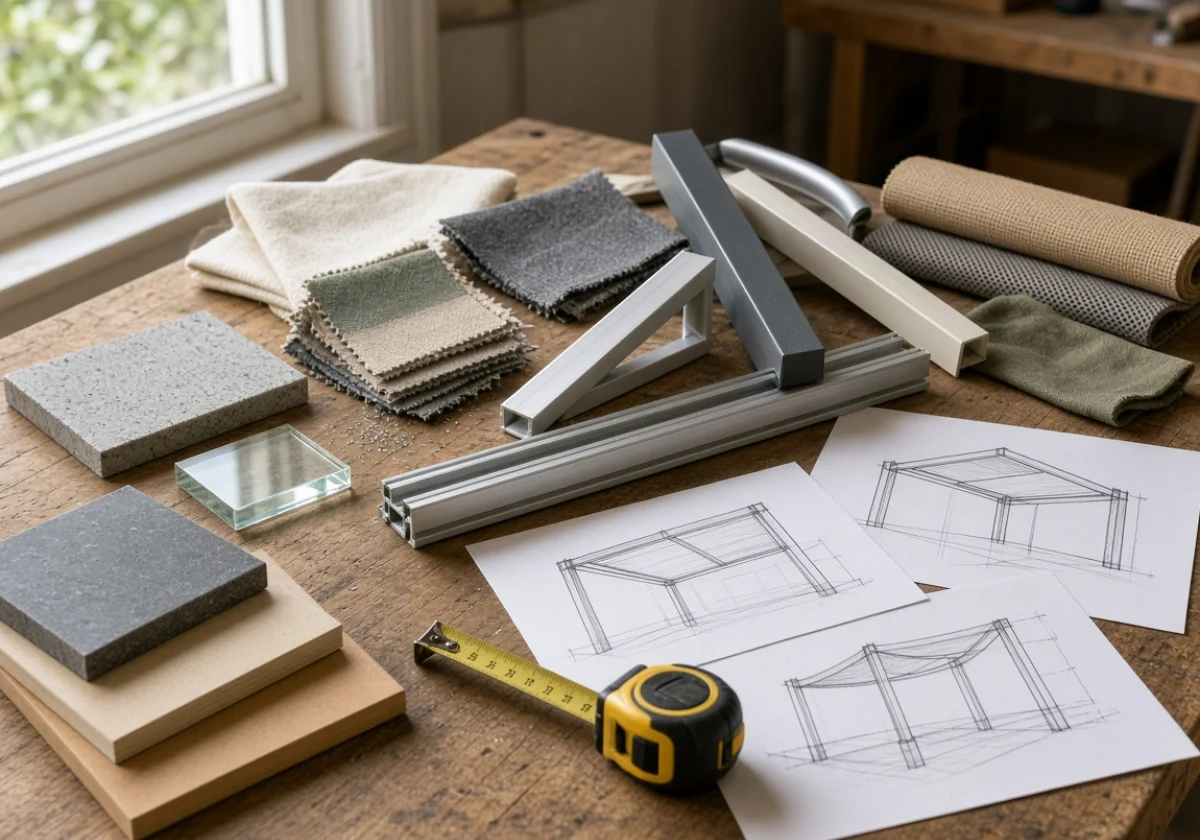
A home improvement workshop table in natural window light showing

Now that you know the trade-offs, let’s match each option to how you use your space. Start with how many months a year you want the patio open, because that single answer sorts most projects.

If you only use the area from May through September, a pergola or patio retractable awning does the job for far less money. Shade covers the table, you store the fabric in fall, and you swap it out when it fades.

Year-round plans change the answer completely. Once you want to eat outside in February, you need roofs that shed snow and sides that stop wind, and that’s custom territory. We’ve seen plenty of homeowners buy twice, once cheap and once right (the second quote always stings more than the first).

Commercial spaces push harder on that same line. A restaurant terrace or rooftop bar counts every seat, so an electric retractable roof protects revenue on nights that would otherwise clear the patio. Hotels and hospitality venues judge commercial projects by the same measure, which is seats kept open in bad weather.

Bottom Line: Buy ready-made pergolas for seasonal shade on a plain patio. Choose a custom retractable roof if you face harsh weather, odd dimensions, or daily commercial use.

Ready to Start? Contact Us About Your Custom Retractable Roof

Your choice depends on how long you want the space open and how exact the fit must be. Ready-made shade covers summer, while a custom retractable roof covers the whole calendar.

Measure your patio, count the months you’d use it, and hold that against the lifespan column above. That short exercise usually answers the question before you ask anyone for a price.

Paper Crown Gallery designs custom retractable roof systems for homes, restaurants, and commercial spaces. Contact us to walk through your measurements and get an outdoor living plan built for your structure.

How Outdoor Structures Can Support More Family Time at Home

Outdoor structures support more family time by giving everyone a shaded, comfortable spot to gather right in the backyard. Kids keep playing, and the adults keep talking, because nobody’s squinting into the sun.

Yet plenty of yards sit unused because the space is just too uncomfortable to enjoy once the sun swings around. At Paper Crown Gallery, we help families plan outdoor spaces that get used daily.

This guide covers which structures earn their keep, how to zone a yard so kids and adults share it, and how common patio projects compare. You’ll also see where one small first build beats a full redesign.

Outdoor Structures Give Your Family a Reason to Stay Outside

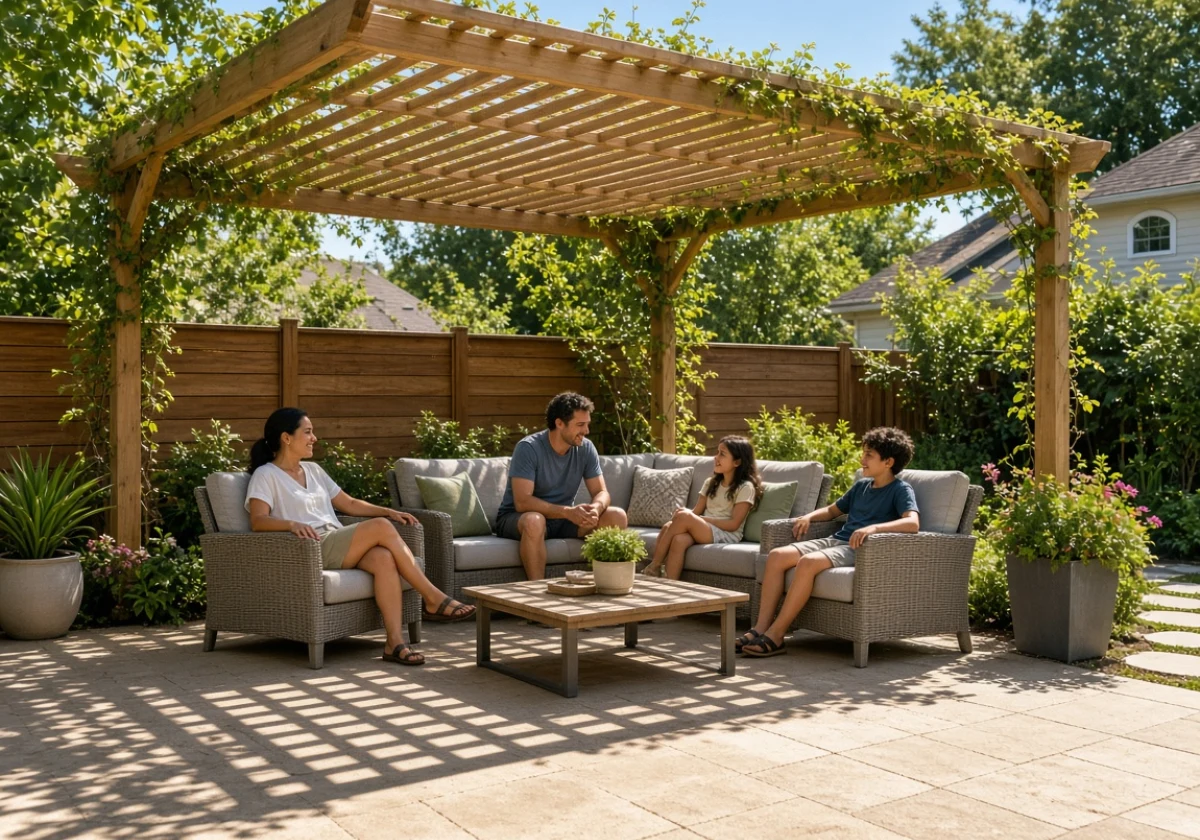
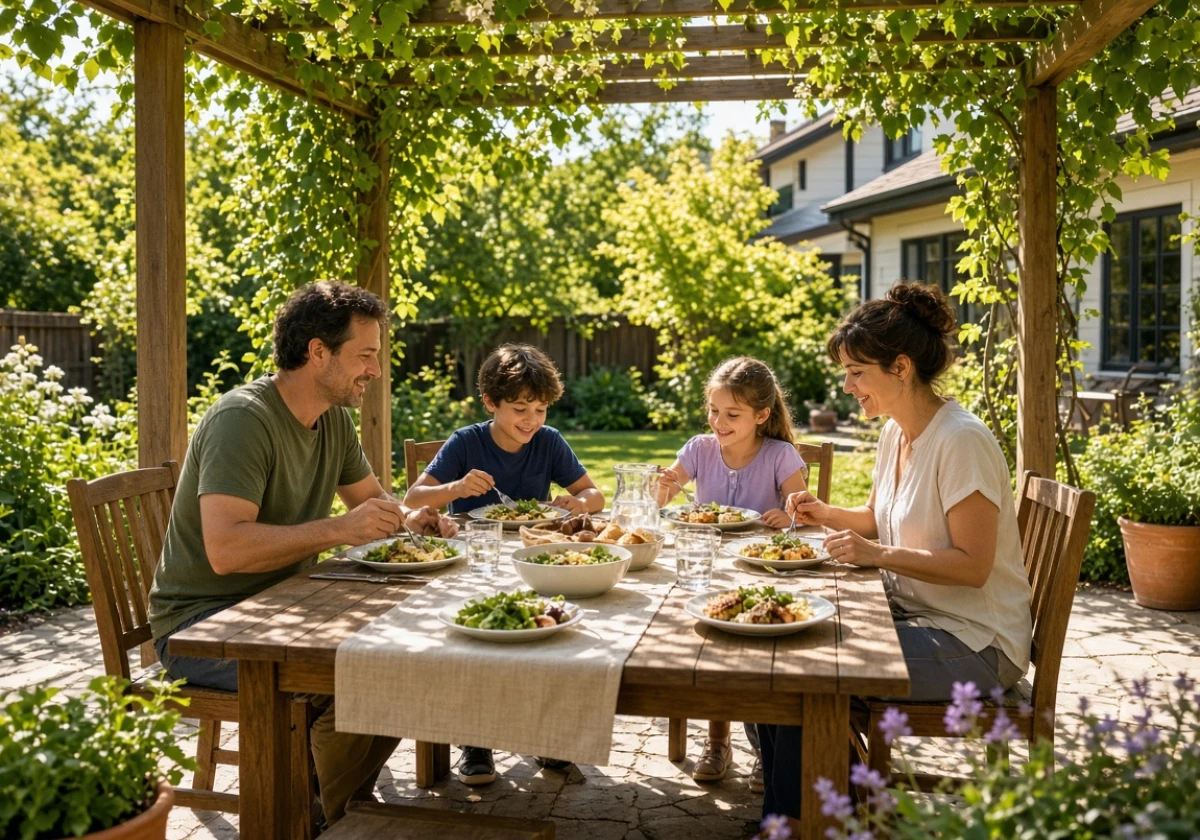
Family of four eating lunch under a wooden pergola

Comfort is what keeps an outdoor area in use, and the missing piece is usually shade. Public parks show how much people value places to spend time outside.

An estimated 227 million adults or a household member visited their local park or recreation facility in 2025, according to the NRPA Engagement with Parks Report. Parks work because they are built for family gatherings, with shade, seating, and something for children to climb all in one place.

Three structures bring that same playground pull into your own backyard, each in a different way.

Pergolas and Pavilions That Shade Your Seating Area

Set a pergola over your seating area and it cuts the glare, which keeps the table usable all afternoon. The CDC’s sun safety guidance puts it plainly: shade under an umbrella, tree or shelter reduces your risk of skin cancer.

Pavilions go further with a solid roof, so light rain won’t end lunch. Cedar posts and shingles tie the build back into your landscape design (it should read as part of the house already).

In practice, anyone who has sized one of these for a real yard starts with the furniture, so measure what you already own before you order either one. Add room to pull a chair out on every side, then size the structure to that footprint.

Why Kids Stay Busy Longer in a Playhouse or Treehouse

A playhouse gives children a setting for their imaginary adventures. An empty lawn offers nothing to be, while a treehouse becomes a lookout, a shop, or a pirate ship by lunchtime.

That kind of imaginative play also runs without you. Parents get to finish a conversation for once, which is usually the real win (your coffee might even stay hot for a change).

Beyond the fun of it, keep the door wide and the windows low so younger children can join in. If you’re anything like most parents, you’ll test the deck rail on a raised platform twice before anyone climbs up.

Swing Sets and Climbing Structures That Grow With Children

Swing sets earn their cost over years when the frame accepts new attachments. Start with swings and slides for toddlers, then add rings, rope ladders, rope bridges, or monkey bars as they get taller.

Jungle gyms work the same way, and all that pulling and hanging builds real strength and hand-eye coordination. If you’ve bolted play sets together on a sloped lawn, you know the posts need leveling first.

Make sure the soft surface reaches past the full arc of the swing. Rubber mulch or artificial grass under that fall zone decides whether a slip ends in tears or a shrug.

What Backyard Play Area Ideas Work for Kids of Every Age?

Swings, sandboxes, a low rock wall and simple water play all scale from toddler years into double digits. Four options stretch across the widest age range, and each earns its spot differently.

  • A Swing Set with Add-Ons: Hang a bucket seat for a baby beside a standard seat for an older child. One frame then takes a trapeze bar or climbing rope once they outgrow both. Choose a frame rated for at least 150 kg total load so it handles two children and future attachments without needing replacement.
  • Sandbox with a Lid: Covered sand stays dry and keeps cats out between visits. Toddlers scoop and pour while older children build, so one box serves two stages at once. A 1.5 by 1.5 metre frame fits most yards and holds enough sand for two children to dig without crowding each other.
  • A Low Rock Wall: Grips a few feet off the ground let a four-year-old practise while a nine-year-old races. Move the grips higher as their reach improves. Lay rubber mulch or soft turf underneath, since climbing walls produce the same kind of falls as swing sets.
  • Simple Water Play: Water tables, a hose and a few cups cool everyone down through a long afternoon for far less than a trip to the splash pad. Tip the leftover water onto the garden bed instead of the lawn. Keep a stack of old towels by the back door so nobody tracks wet feet through the house.

Link two of these with a short obstacle course of logs and stepping stones, and put a mud kitchen at the end. That turns plain play areas into something that changes every week.

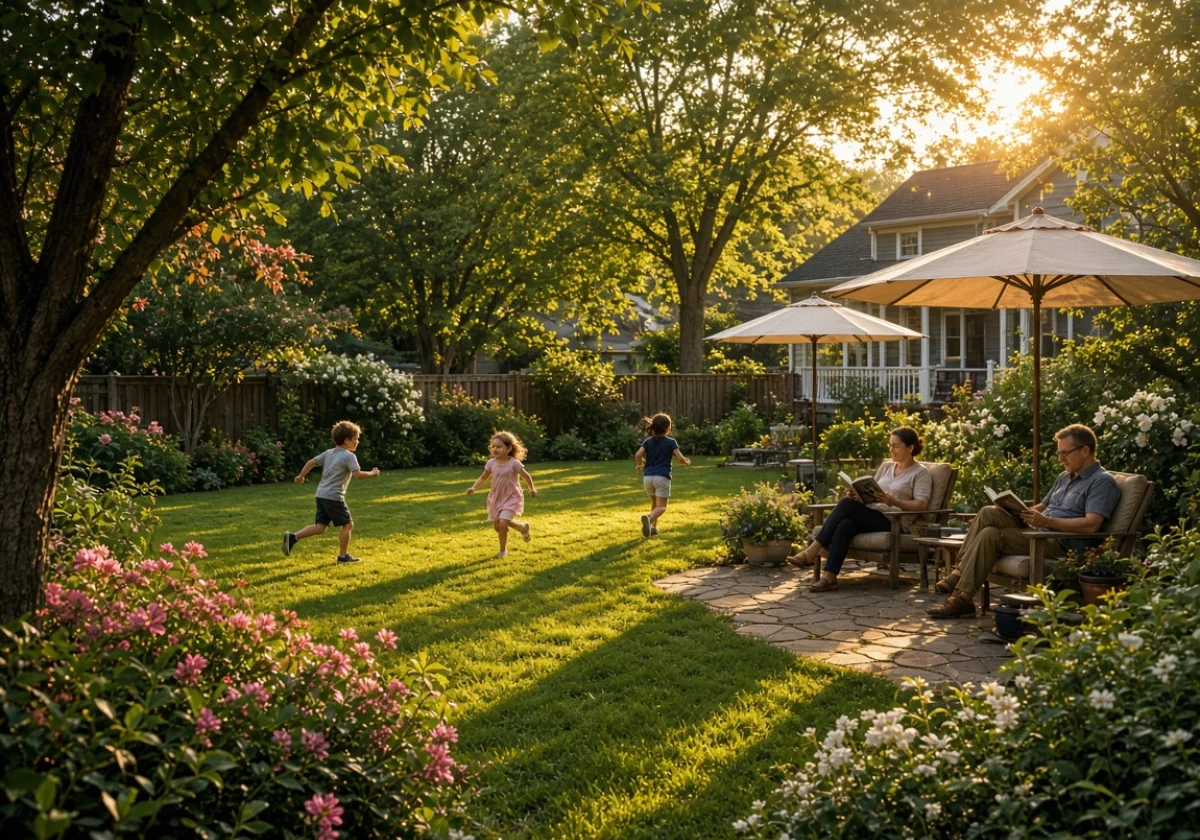
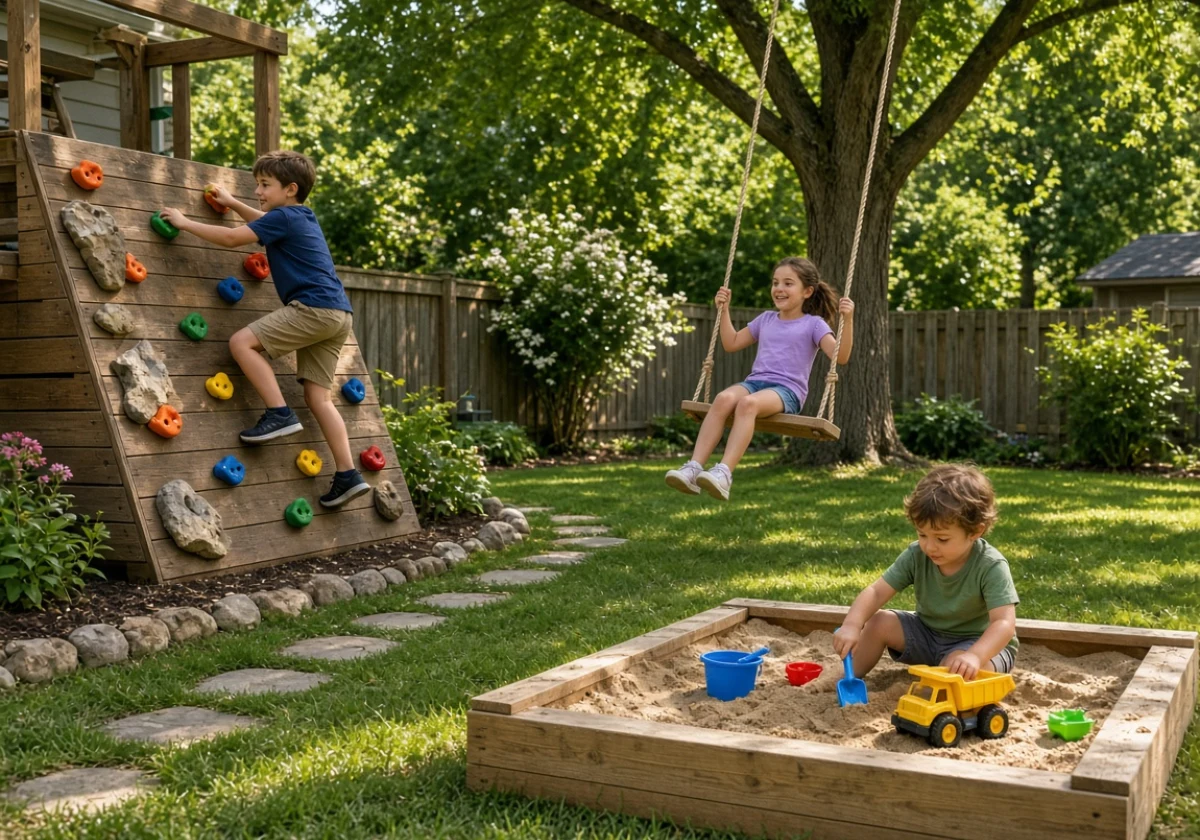
Residential backyard on a summer morning with three children aged 4

Family Outdoor Spaces: How to Create Zones Everyone Can Enjoy

Zoning is the simplest piece of outdoor design there is, since it only means giving each activity its own corner with clear sight lines running between them.

Start with the seating area closest to the back door, since that’s where you carry food and drinks. Put the play zone at the far end in full view from your chair, and leave the middle open for the outdoor activities that need room to run.

From there, let the surfaces mark the edges instead of fences. Pavers under the table, grass across the middle, and rubber mulch under the climbing frames show everyone where each zone starts (kids read the ground, not the plan you drew).

Vegetable beds along one side also give older kids a job and hold them in the yard longer. They pick strawberries and cherry tomatoes and eat them standing up, which is exactly the point.

Lighting finishes a kid-friendly layout, because most outdoor play activities stop when the light does. From experience, the yards families use daily are the ones where the kitchen window looks straight at the backyard play space.

Comparing Patio Ideas for Year-Round Outdoor Living

Patio upgrades sound pricey, yet some of these projects cost less than a weekend away. Your pick depends on what you’re trying to beat in your outdoor living space, whether that’s glare, rain, or a cold evening.

The table below lines up four upgrades against what each one gives you in return:

Patio UpgradeWhat It AddsWorks Best InRelative Effort
Shade sailFast cover over a seating areaSummer glareLow
PergolaFiltered shade with room for vinesSpring through fallMedium
PavilionSolid roof and a dry floorRain and year-round useHigher
Fire pit cornerWarmth that pulls everyone back outFall and winter nightsLow to medium

Of every home improvement on this list, shade is the one that changes a daily habit fastest, because it decides whether the table gets used at noon. Basically, a shade sail buys you this weekend, while a pavilion buys you every weekend after it.

Beyond shade, whichever season you lose most should decide the first pick, and the next piece can wait until that one proves itself.

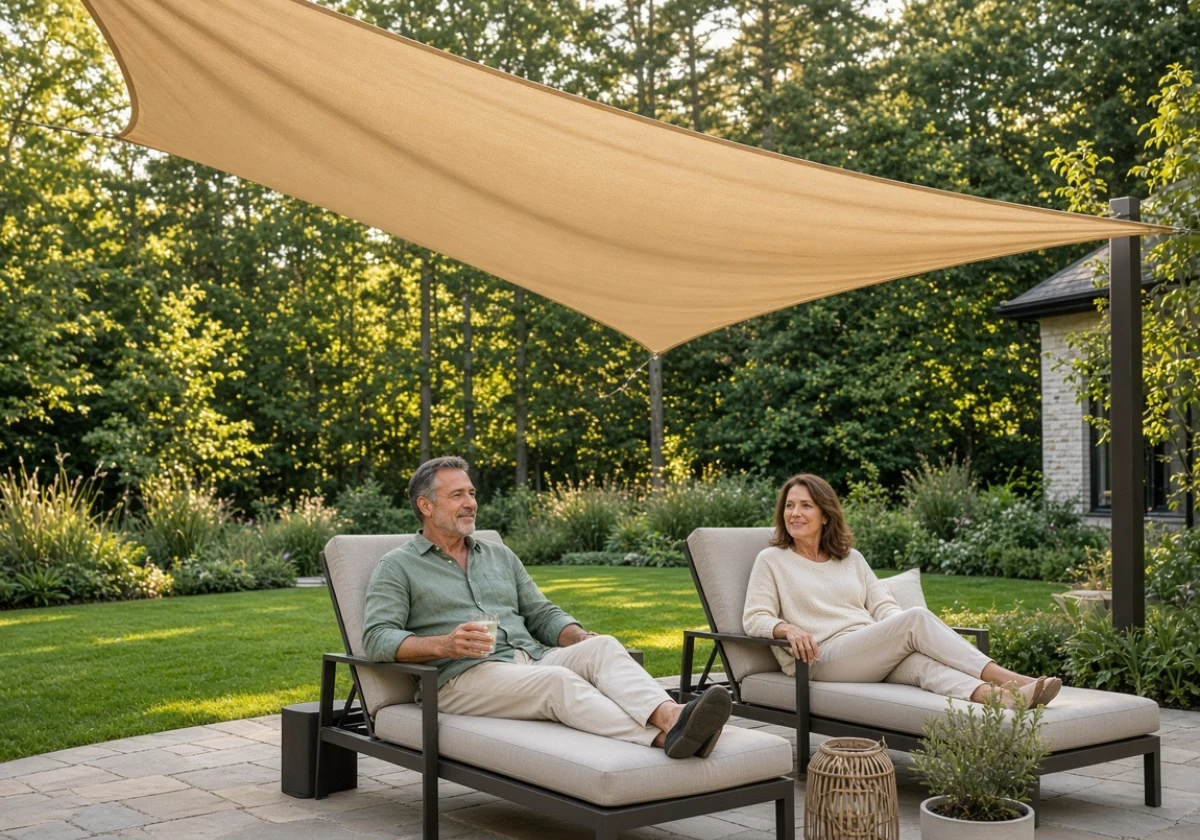
Middle-aged couple in comfortable loungers under a large tan canvas

Start Small and Build More Family Time Outside

One structure changes how a whole backyard gets used. Shade and a place to sit remove the main reason everyone drifts back inside. So pick the corner your family already heads for, and put the first project there. A pergola, a sandbox, or a swing frame changes how the yard gets used from the first weekend.

Paper Crown Gallery shares practical ideas for families planning outdoor spaces at home. Contact the team to talk through your yard and settle on a layout that fits how your family really lives.