Designing outdoor areas that work across different weather conditions comes down to covered shelter, durable materials, and a flexible layout. With the right setup, you can enjoy your yard during August heat and February drizzle.
Yet many outdoor areas are planned around sunny afternoons, with little thought given to rain or colder months. Once the weather changes, soaked cushions, slippery surfaces, and exposed seating areas can leave the space unused.
Good outdoor design starts with addressing those everyday problems. This guide covers patio drainage, weather protection for furniture, and decking that handles freezing temperatures. Let’s learn how to plan outdoor kitchens, pool areas, and planting for year-round use.
What Makes Outdoor Living Spaces Work in Any Weather?
Outdoor living spaces work in any weather when they combine overhead cover, weather-resistant materials, and good drainage. Good outdoor planning treats those three as one decision, because each protects a different part of the space.
The sections below follow the order you’d build them, starting at the ground and working up.
Patio Design That Drains Well and Dries Fast
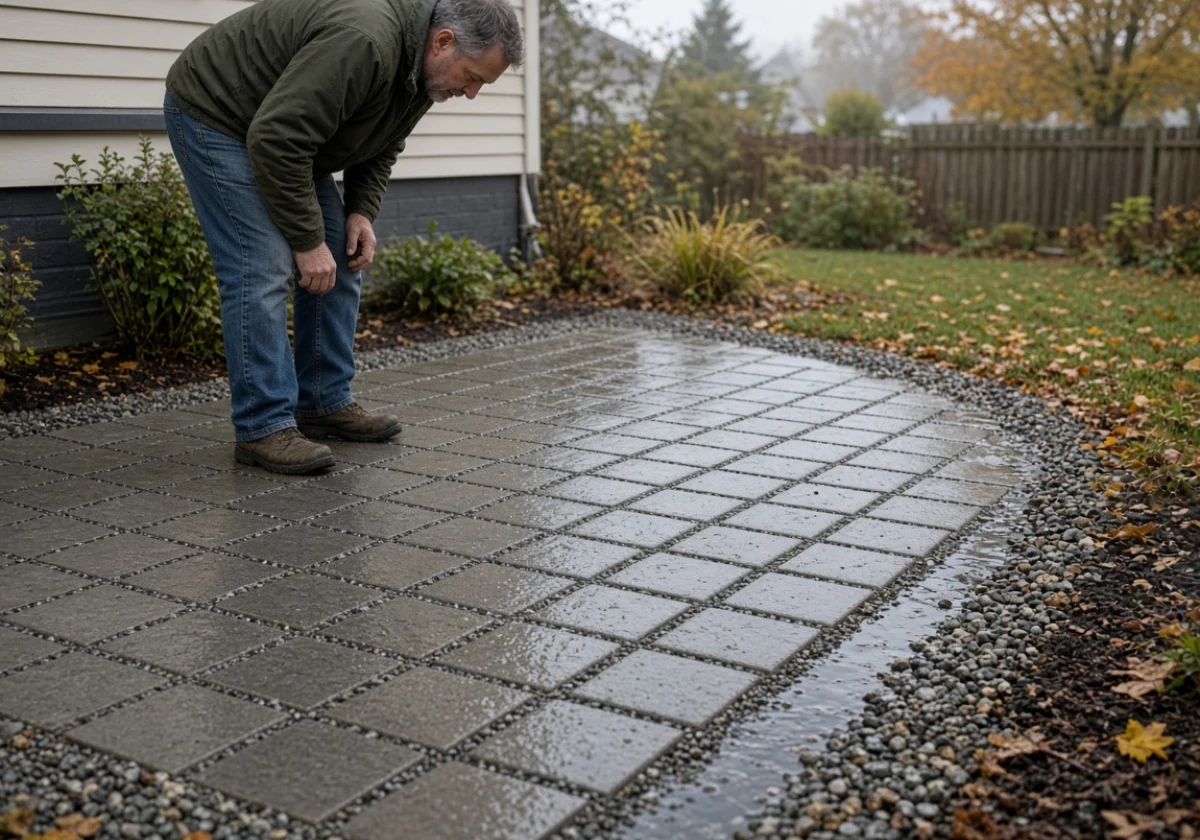
A patio that holds water becomes slippery and may develop a green film in shaded areas. Proper drainage starts with a gentle slope away from your home, which prevents water from collecting near the foundation.
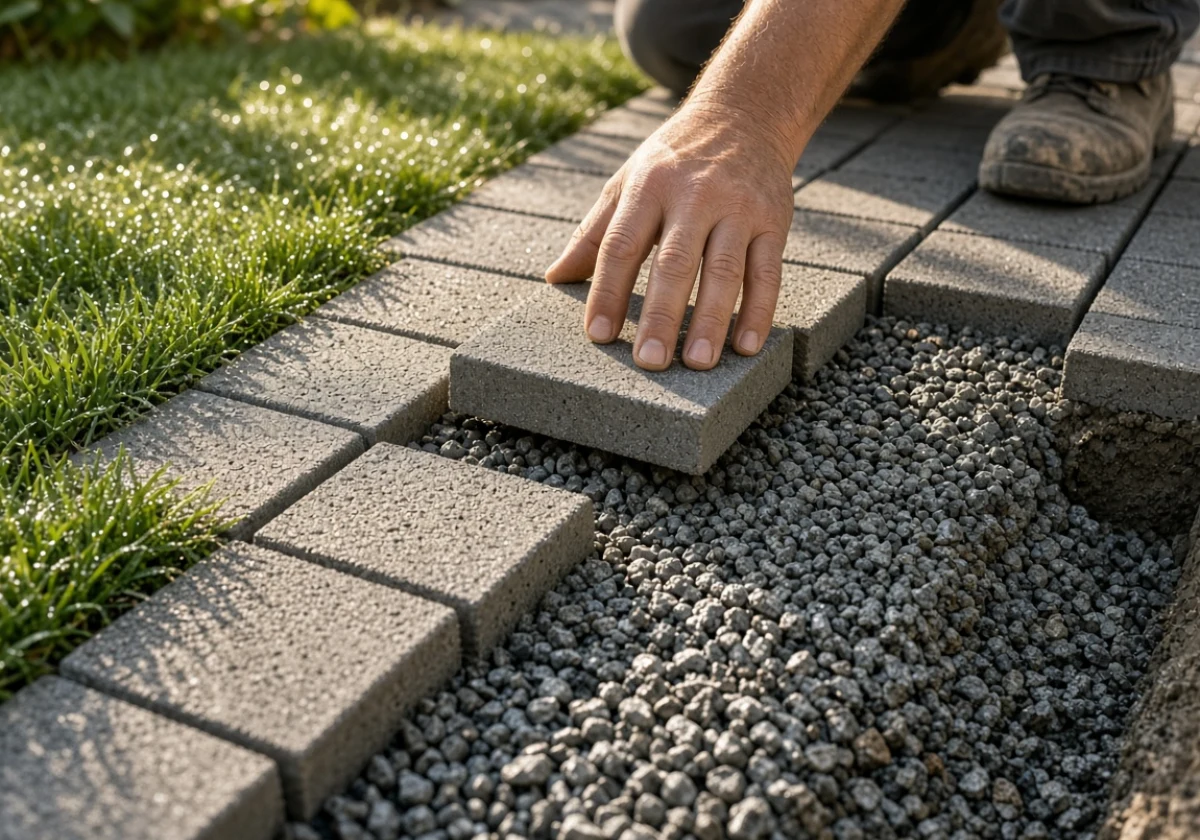
Beyond grading, patio design can let the surface handle some of the rainwater. EPA guidance on permeable pavement notes that alternatives to traditional pavement reduce runoff by allowing rainwater and melting snow to soak through.
For example, open-joint pavers and gravel beds allow water to drain, provided the base underneath drains properly. However, a poorly sloped patio can still collect water in the same low spots after every storm. You probably know which corner that is in your own yard. A walk after heavy rain helps you spot those trouble areas before planning repairs.
The Patio Covers Outdoor Furniture Needs
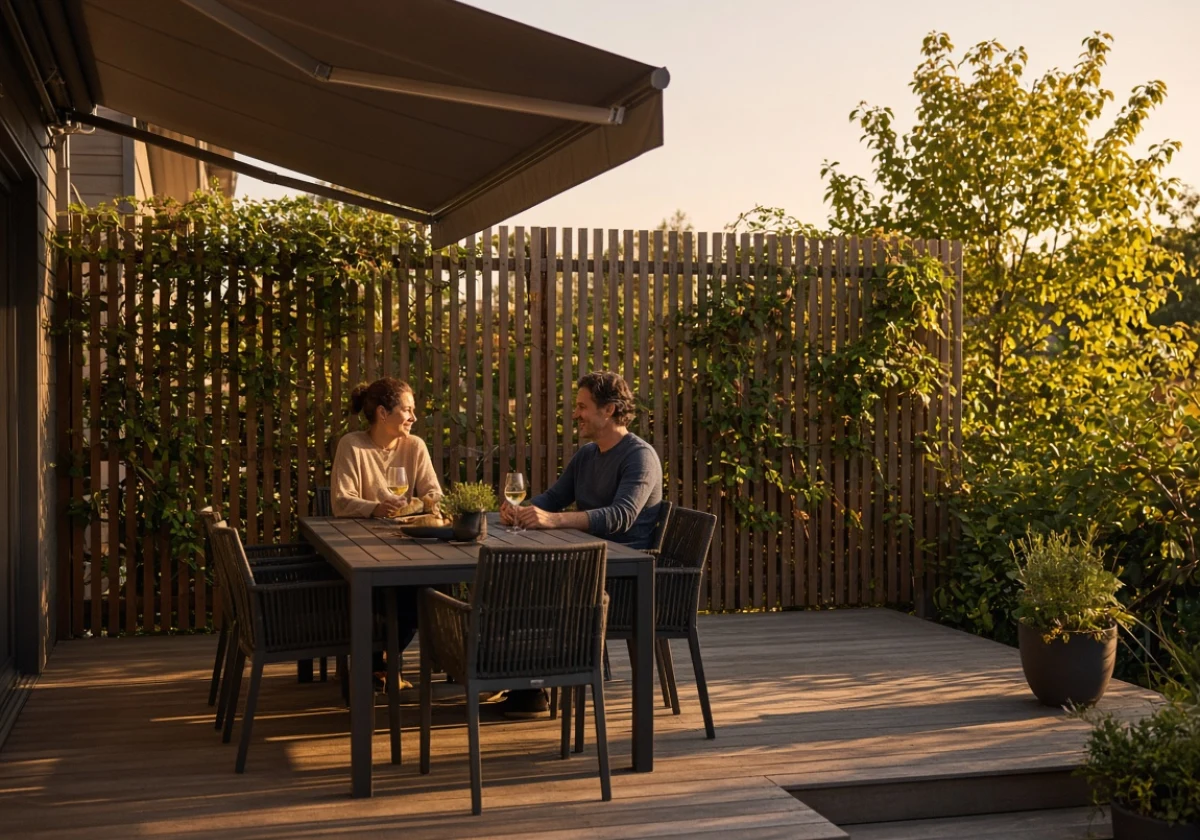
A solid roof protects outdoor furniture from direct sunlight and rain. UV exposure can fade fabrics and weaken some plastics over time. If you prefer control over how much sunlight enters, louvered pergolas let you adjust the slats as conditions change.
Once you’ve chosen the type of cover, consider the frame that supports it. Aluminum resists rot and needs little upkeep, while cedar posts offer natural warmth but need periodic maintenance (check the posts each spring, not each decade).
The frame and roof protect the main seating area, but they can’t keep out every bit of moisture. Cushions can still get wet during wind-driven rain or prolonged damp weather. Store them somewhere dry during long periods of bad weather to help prevent mould and fabric damage.
Choosing Deck Boards for Sun, Rain, and Snow
An overhead cover protects outdoor furniture, but the deck below still faces changes in moisture and temperature. The boards get direct sunlight from above and moisture from underneath, so choosing the right material is important.
Pressure-treated wood usually costs less upfront, but it can expand, shrink, or warp as moisture levels change. Composite decking boards offer a great alternative for homeowners who prefer less upkeep. It generally resists moisture-related decay, though dark colours can become hot under bare feet.
Whichever materials you pick, follow the manufacturer’s spacing instructions to allow drainage and natural movement. Gaps between boards help rainwater and melting snow escape. Airflow beneath the deck also helps trapped moisture dry and reduces the risk of long-term dampness.
Outdoor Comfort That Holds Up Through Every Season
Once the structure is in place, smaller additions help you stay comfortable outside as the weather changes. A windbreak, adjustable shade, or outdoor heater makes an existing seating area useful on days you’d otherwise stay indoors.
Each addition addresses a different problem, so start with the weather condition that keeps you inside most often:
- Fences And Windbreaks: Wind can make an outdoor seating area feel colder than the thermometer suggests. Slatted fences reduce gusts without creating a completely solid barrier, though the posts still need proper support. A hedge behind the fence adds privacy and further shelter as it grows.
- Shade You Can Adjust: A fixed roof won’t always cover your seating as the sun moves. A cantilever umbrella lets you move shade over the table later in the afternoon. Retractable awnings offer another option, since you can extend them on hot days and fold them away when you prefer sunlight.
- Heat For Cool Evenings: A fire pit or outdoor heater makes cooler evenings more comfortable. Gas heaters offer quick warmth without logs or ash, but they still need suitable ventilation and clearance. Wood-burning fire pits need more preparation and regular cleaning. Check local fire rules before using either option.
- Storage For Cushions And Gear: Even covered seating areas can get wet when rain blows in from the side, so having a dry place to store cushions is useful. A weather-resistant storage bench keeps them close to your seating area and saves you trips to the garage. Choose a ventilated design that keeps rain out, and dry damp cushions before storing them to prevent mould.
These additions work best when they address the conditions you face most often. If afternoon sun keeps you indoors, start with movable shade. And if cold winds cut evenings short, improve shelter before buying another heater. That way, each purchase solves a problem you’ve already noticed.
Outdoor Kitchens and Pool Remodels: Building for Sun, Rain, and Cold
Smaller additions can improve comfort, but outdoor kitchens and pool remodels need more planning before construction begins. Their fixed features face sun, rain, and freezing temperatures throughout the year, even when nobody uses the space.
The table shows how to protect each area against different weather conditions.
| Feature | Hot sun | Heavy rain | Freezing temps |
|---|---|---|---|
| Built-in grill station | Stone counters stay cooler than steel | Slope the counter, cover the burners | Bring hoses and regulators indoors |
| Pool decks and surrounds | Light textured pavers cut glare | Open joints drain swimming pool splash | Permeable joints limit frost heave |
| Covered dining area | Fans move the trapped warm air | Gutters push runoff off the table | Overhead heaters beat open flame |
The table covers weather protection, but access for maintenance also needs attention. Leave enough room around grills for servicing, plan where pool equipment will sit, and keep drainage outlets accessible for cleaning. These decisions are easier to make before construction than after the appliances and paving are in place.
Growing a Garden That Can Take Whatever the Sky Sends
With the hard structures planned, the garden ties the whole yard together. Planting can also slow wind, shade hot paving, and soften the fence line you’d rather not stare at.
Before buying plants, check your local growing conditions, starting with your hardiness zone. The USDA Plant Hardiness Zone Map update reports that about half the country moved to a warmer half zone between 2012 and 2023. The other half stayed in the same zone.
That shift may change which perennial plants survive winter in your area. However, the map measures average annual extreme minimum temperatures, not summer heat, rainfall, or soil conditions. You’ll still need to consider those factors before choosing plants.
Once you’ve checked the climate, look at how water moves through your garden. Raised beds can help in poorly drained areas by keeping roots above saturated ground. Herbs near the kitchen door, flowers along the fence, and hardy shrubs in windy corners each have different needs. Match their positions to the sunlight, soil moisture, and shelter available.
In the end, the garden that survives is the one you can reach with a hose in August, and your habits in week three of a heatwave are the real test. Keep thirsty plants a short walk from the tap, then let the far corners hold natives that feed themselves (a lesson most of us learn at least twice).
Plan Weatherproof Outdoor Spaces Before the Next Storm
A weatherproof outdoor space comes from a few early calls: where water goes, what sits overhead, and which materials hold the line. The finishes follow from there.
Before making changes, walk through your yard after heavy rain. Look for standing water, exposed seating, and areas where wind makes outdoor use uncomfortable. Those observations will help you decide which improvements deserve attention first.
Paper Crown Gallery shares design ideas for outdoor rooms homeowners can use all year. Contact us to talk through your layout before the first material order goes in.