Poor pergola placement near trees can leave your retractable roof covered in leaves throughout autumn. The posts went where the patio looked best, with little thought given to the tree canopy overhead.
Once autumn arrives, nearby trees drop leaves across the roof and into its moving parts. The debris collects in the tracks and jams the panels. Careful placement before installation reduces repeated cleaning and prevents costly adjustments later. For homeowners planning a new installation, Paper Crown Gallery offers custom retractable pergola systems for different outdoor spaces.
In this blog, you’ll learn why leaves cause problems for moving roofs and how to check nearby branches, roots, and wind. We’ll also compare roof materials and explain who has the right to trim a neighbor’s branches.
Read on before the first post hole is dug.
Why Does Tree Debris Cause More Trouble for a Retractable Pergola Roof?
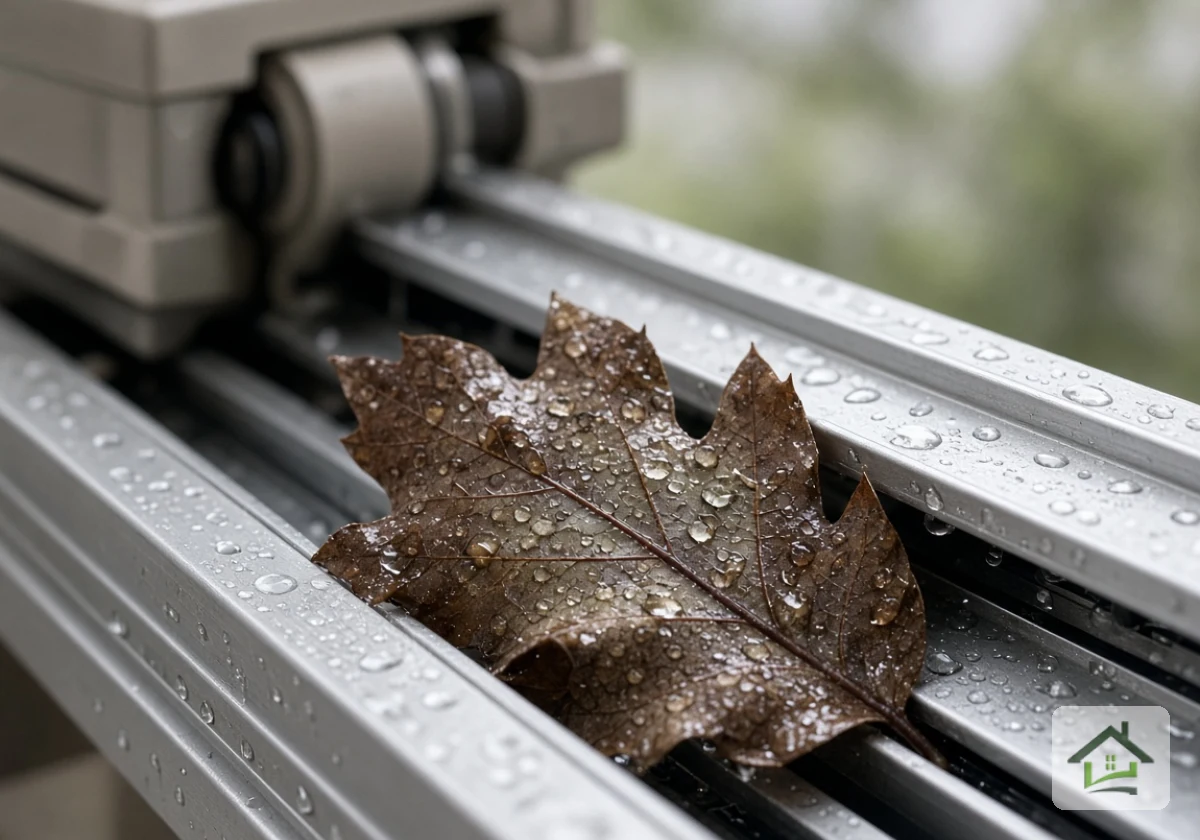
Leaves can clog roof tracks, collect around louvers, and block gutters, depending on the retractable pergola design. A moving roof has to slide or rotate through any debris that collects along its path. Unlike a moving roof, a fixed cover has no tracks or panels for leaves to block.
The damage often starts with wet leaves. They pack into the side tracks of a retractable roof system. Debris puts extra strain on the motor or prevents the roof from moving properly (usually on the one sunny day you wanted shade). Pine needles cause a different problem, since they slip between closed louvers and block the seals that keep rain out.
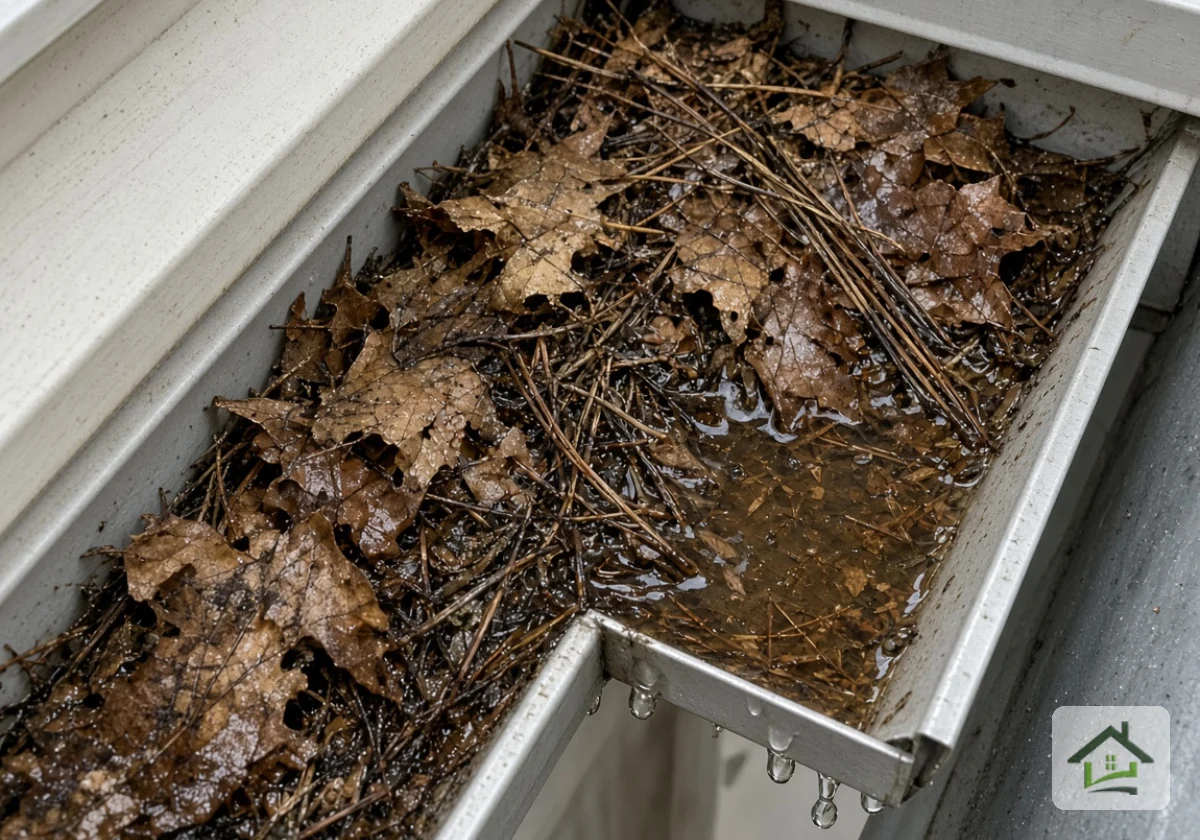
The gutters inside the frame also need regular cleaning. Louvered designs often route water through the beams and down the posts, so a clog sends rain over the edge and onto your cushions. If you’ve ever pulled a soggy oak leaf out of a louver hinge, you know how long one stuck blade takes to free.
Commercial outdoor spaces face similar problems on a larger scale. On a restaurant patio, a retractable pergola stuck mid-cycle during dinner service costs money because staff can’t seat guests at wet tables.
Mapping Pergola Placement Around Drip Lines, Branches, and Roots in Your Outdoor Space

Many homeowners choose a pergola spot from the kitchen window without checking the trees overhead. The view might look perfect, but nearby branches can leave the roof covered in debris.
Before you mark the footings, check four things: the canopy, branch clearance, root spread, and wind direction.
Measuring the Canopy Drip Line Before You Mark the Footings
A tree’s drip line is the outer edge of its canopy, where rain falls from the outermost leaves. Stand under the widest branch and push a stake into the ground right below its tip.
From there, walk around the tree and place stakes beneath the outermost branches to mark the canopy’s outline. Much of the leaf fall lands inside or just past that ring, so placing footings farther out means less sweeping.
Once you’ve marked the area, compare it with your planned pergola location. Keep the roof clear of the canopy where possible. In smaller yards, look for a spot with fewer branches overhead to reduce leaf buildup.
How Much Branch Clearance a Retractable Roof System Needs to Open Fully
Your retractable pergola needs a clear gap above the frame so its louvers or panels don’t hit nearby branches. Some louvered roofs rotate upright, so measure with the roof fully open.
Branches also sag after heavy rain and grow longer each year. For this reason, leave extra clearance above the blades so wet branches don’t hit them (oak limbs often droop lower after rain).
Check the spec sheet for the blade height when the roof is fully open. Then use your tape measure to confirm the available clearance before placing your order.
Keeping Post Footings Out of the Root Zone
Tree roots spread well past the drip line, and digging a post hole through a major root can weaken the tree. That damaged root can also rot and let your footing settle unevenly.
To avoid cutting major roots, dig a test hole by hand before using an auger. If you find a large root, stop and ask an arborist to check the area. They can help you choose a safer footing location. Properly placed footings support the frame and help keep the roof tracks aligned.
Which Way the Wind Carries Leaves Across the Yard
Wind direction affects where leaves land, even when trees stand across the yard. During a breezy fall week, watch where leaves collect along fences and patio edges.
Those piles show where the wind blows leaves. In Florida, for example, afternoon storms often blow live oak leaves across patios and outdoor living areas. Use those clues to choose a spot upwind of the trees, or plant a hedge on the tree side as a windbreak.
Why Choose Aluminum Louvers: Functionality, Style, and Durability Under Falling Leaves
Aluminum louvers win on a retractable pergola under trees because they tilt to shed leaves, resist damage from fallen branches, and never rot. Fabric and polycarbonate can still work in some yards, though each one handles debris differently.
The table compares how aluminum louvers, fabric, and polycarbonate side by side.
| Roof Type | Functionality Under Debris | Style | Durability | Cleaning Effort |
|---|---|---|---|---|
| Aluminum louvered roof | Blades tilt so leaves slide off before you open the roof | Clean, modern lines on an aluminum pergola | Won’t rot and shrugs off small twigs | Rinse blades and clear gutters each fall |
| Retractable fabric canopy | Folds leaves into its pleats as it retracts | Soft, casual look with many colors | Stains and mildews under sap and wet leaves | Brush pleats often and replace fabric sooner |
| Sliding polycarbonate panels | Panels stack and trap debris between layers | Bright, glass-like look that lets light in | Scratches from grit dragged during sliding | Clear tracks before every slide |
For a pergola near trees, gutter access deserves attention before you choose a roof system. Ask your installer to show you how to open them, since you’ll need to clean them each fall. Also, check how easily you can reach the roof panels to clear leaves after a storm.
Tree Rights Reserved: Who Decides About the Branches Hanging Over Your Property Line
Sorting out trimming rights before installation saves you from a yearly argument with the neighbor. Trimming nearby branches may solve a clearance problem without changing your pergola design, but you need permission to make certain cuts.
In some areas, you can trim a neighbor’s branches that hang over your property. Local rules differ, though, so check your city’s tree-trimming rules before making any cuts.
Experienced installers usually ask about overhanging limbs at the first site visit, because a branch dispute can pause a project mid-build. You’ll get further with your neighbor by showing them the plan early and offering to share the trimming cost.
Before you call a tree service, have a look at who holds a say in what gets cut:
- Your Own Tree: You usually decide which branches to trim. However, some cities protect certain trees, so check local rules before cutting.
- The Neighbor’s Overhang: Confirm where your property ends before planning any cuts. Speak with your neighbor about the branches and agree on a trimming plan where possible.
- Protected Species: Not every tree is free to trim. For certain oaks and other protected trees, your local planning office may require a permit before work begins.
- Homeowners Association (HOA) Setback Rules: Your HOA may have rules about tree trimming and pergola placement. Check these rules against your site plan and get written approval before work starts.
- An Arborist’s Sign-Off: For large branches, an arborist’s advice is useful. A written assessment also gives you something to share if your neighbor raises concerns.
Once you’ve agreed on the trimming plan, keep copies of any permits, approvals, and written agreements. Share them with your installer before work begins. You don’t want to find out halfway through installing your retractable pergola roof that a branch everyone planned to remove has to stay.
A little planning now could save your outdoor living space from an awkward dispute with the neighbor later.
Walk the Yard With a Tape Measure Before You Order the Pergola
Now you know what to check before placing a retractable pergola roof near trees. Leaves can clog tracks, while low branches and spreading roots may cause trouble later. Checking these risks early helps you choose a suitable location before installation begins.
Your next step is to measure the canopy, check branch clearance, and identify any roots near the planned footings. Compare roof materials and local trimming rules before finalizing your design.
With those details in hand, you can discuss your plans with Paper Crown Gallery. Our team offers retractable pergola systems for different outdoor spaces. Contact us to discuss your yard, nearby trees, and installation options.