Loose bolts, worn louver caps, and slack drive parts often cause the rattling or humming you hear during strong winds. Most of these issues need simple adjustments or replacement parts.
Although most retractable pergola roof noise starts with minor faults, repeated wind exposure can make those problems worse. Each gust puts pressure on loose joints and increases movement between connected parts. A faint tick in spring can become a steady bang by autumn if you leave those faults unchecked.
To deal with these problems, you first need to identify which roof components cause each sound. This guide explains how to check the affected parts, identify the sounds they make, and handle simple repairs yourself. It also covers motor noises that need a technician’s attention rather than a screwdriver.
Why Does Wind Make a Retractable Pergola Roof Rattle?
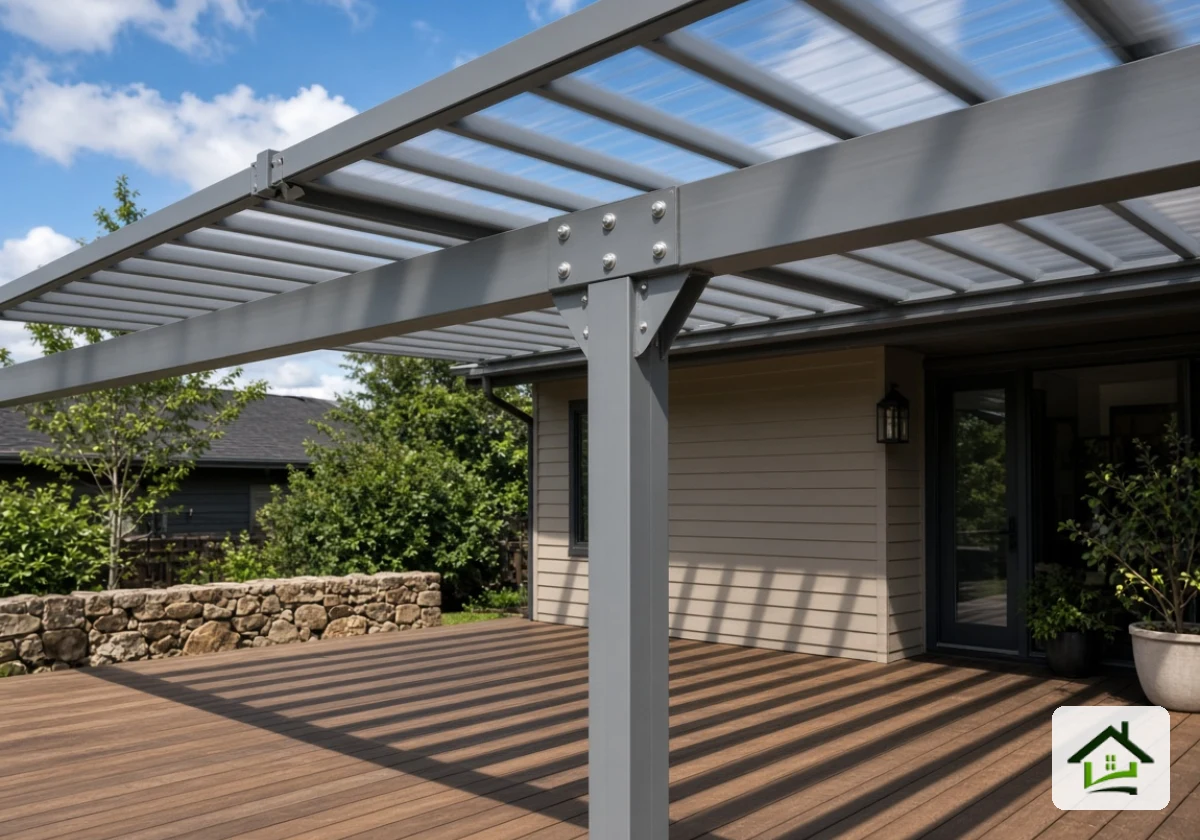
As mentioned earlier, wind often rattles a retractable pergola roof when gusts move loose or worn components. Each gust pushes against the roof’s moving parts, causing loose joints to shift and nearby components to knock against each other.
The following parts are common culprits.
Loose Bolts and Brackets at the Posts and Beams
Post and beam joints take the full sideways push of every gust. Each push slides the clamped plates against each other by tiny amounts.
Over time, those small slides back the bolts out. A study on bolt self-loosening found that sideways forces, vibration, and sudden impacts can gradually loosen bolted joints.
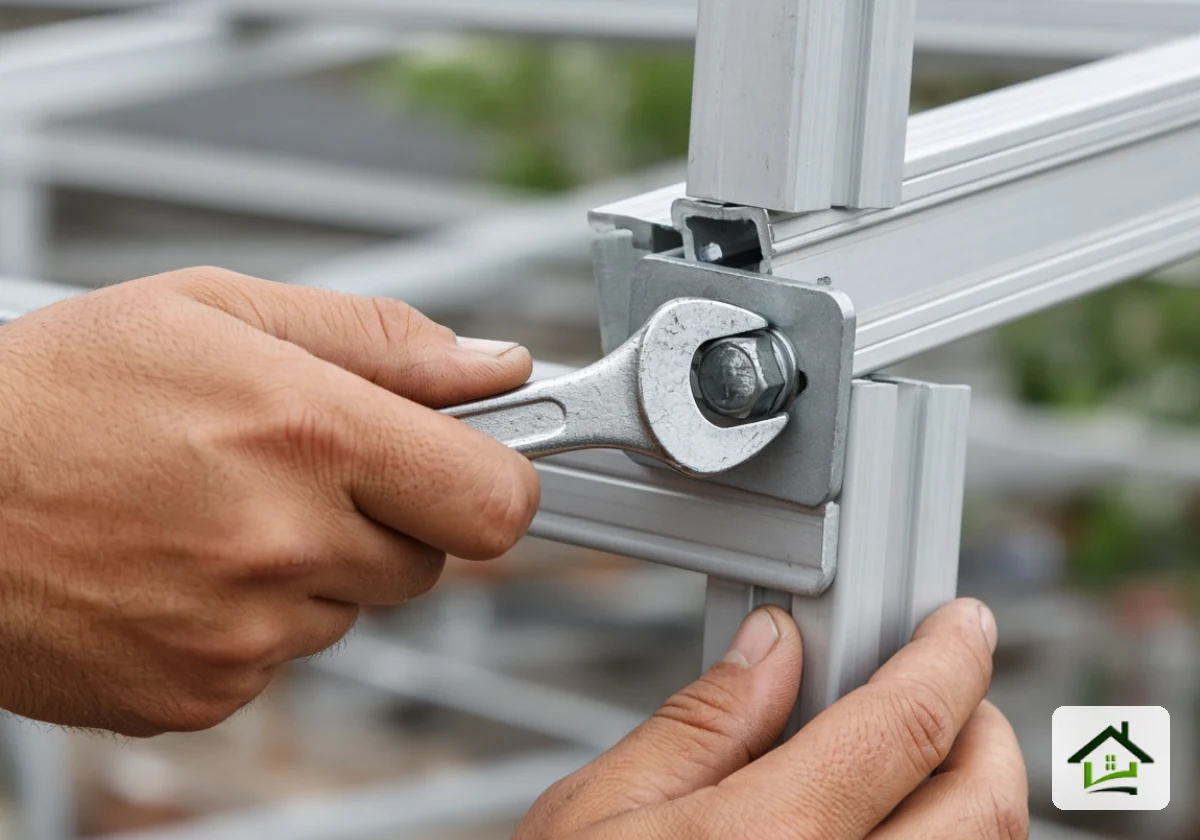
That’s why you should check each bracket with a wrench every spring, following the manufacturer’s tightening instructions. A dull clunk during windy weather may be an early sign of movement at these joints.
Louver Play Inside the End Caps
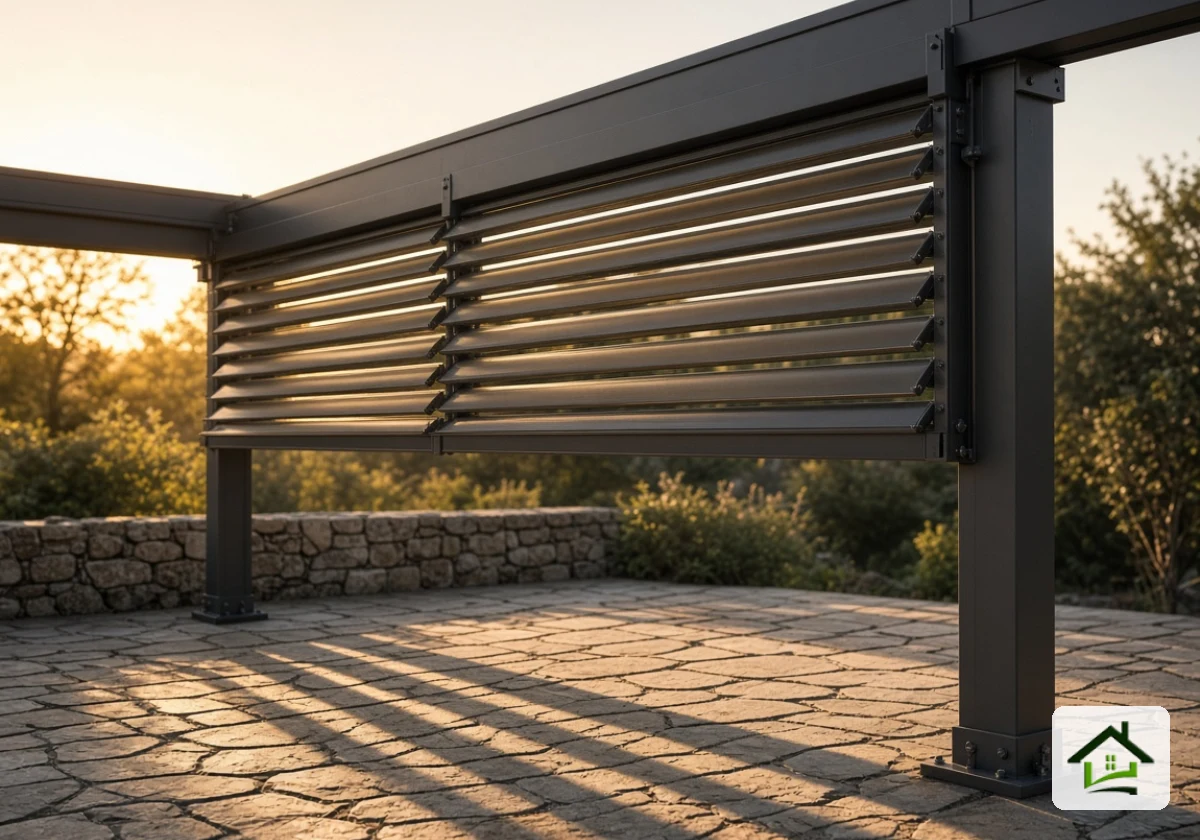
On an adjustable louvered roof, each aluminum blade pivots on pins that sit inside plastic or nylon end caps. As those caps wear, the pins get room to knock.
You’ll hear that knocking as a rapid ticking sound across the whole roof. It’s loudest with the louvers half open, since blades angled for sunlight and ventilation also catch more air.
To check for wear, gently wiggle the end of a louver. Excessive side-to-side play may mean the cap needs a shim or replacement.
Fabric Flutter on a Retractable Awning Track
Fabric canopies and retractable awnings move along side tracks that guide their edges. When the fabric becomes loose, wind lifts it and snaps it back down.
This creates a flapping or slapping sound, especially when the fabric is partly extended. Loose fabric can also rub against the tracks and wear out sooner.
Retract the canopy fully when wind speeds reach the limit stated in your manual. Then ask about tightening the fabric at your next service visit before repeated flapping damages its edges.
Motor and Drive Gear Vibration Under Load
Motorized louvered pergolas use gears or a linear drive to move their blades and hold them in place. Under wind load, the louvers push back on that drive, and any slack in the gears lets them buzz.
This motorized roof vibration usually sounds like a hum or rattle near the motor housing. It gets worse when the roof is halfway closed, as the angled blades catch the wind.
Because of this, close the roof fully or open the louvers flat in strong winds, depending on your manufacturer’s instructions. The recommended position helps reduce strain on the gears.
The Aluminum Frame Humming at Its Own Pitch
Long beams on an aluminum pergola can vibrate at a steady pitch when wind flows across them. This vibration produces a low hum, sometimes at just one wind speed.
Such a hum doesn’t always signal damage. Still, it can travel into the house through the ledger board, especially if the pergola is attached directly to the house.
A rubber pad between the beam and the wall may help reduce the hum. Ask your installer about suitable pads before making changes to the connection.
Sound Types: What Each Noise Tells You About the Problem
The type of noise your pergola makes often gives you a clue about what’s wrong. A clunk usually points to something loose, while ticking, flapping, or humming suggests movement in different roof components. You can use these sounds to narrow down where to check first.
The table matches each sound with its likely source and the first thing to check.
| Sound | Likely Source | First Thing to Check |
|---|---|---|
| Clunk or bang with each gust | Loose post or beam bolts | Put a wrench on every bracket bolt |
| Fast ticking across the roof | Worn louver end caps | Wiggle each louver for side-to-side play |
| Flapping or slapping | Slack awning fabric | Look for sag between the side tracks |
| Buzz near the motor | Slack in the drive gears | Close or flatten the louvers and listen again |
| Low, steady hum | Aluminum beam vibrating | Feel the beam where it meets the wall |
If you can’t pinpoint the noise, wait for calm weather before inspecting the roof. Wind can make it difficult to tell where a sound originates, and checking moving parts during strong gusts isn’t safe.
Quieting a Noisy Retractable Pergola Without Calling the Installer
You can handle many minor pergola repairs with a few basic tools, provided the structure is stable and safe to inspect.
Start by checking the structure, because a loose post makes every louver sound worse. Inspect the deck or patio anchors too, since a loose post can transfer movement through the patio roof.
Next, check the parts that pivot and slide, including the louvers and tracks. Save these checks for a calm, dry afternoon when you can inspect the roof safely.
If you’re ready to tackle pergola rattling in wind yourself, work through the following checks in order.
- Bolts: Check the post, beam, and bracket bolts for looseness. Tighten them according to the book. If a bolt keeps loosening, ask your installer about a suitable threadlocker.
- End Caps: Excessive movement in a louver often points to a worn end cap, which is why you should check for cracks or wear around the edges. Depending on your roof’s design, you may need a replacement cap or an approved shim.
- Pivots and Rollers: When you hear a squeak know that dirt or dry moving parts could be causing friction. To avoid that, apply silicone lubricant to the pivot pins and track rollers if the manufacturer recommends it.
- Wall Contact: Vibrations can travel indoors through the points where the pergola frame meets the house. in some cases, rubber or neoprene pads help reduce the noise. However, ask your installer before adding anything to a structural connection.
- Fabric: Loose or sagging fabric may flap against the tracks during windy weather. Over time, repeated movement will damage its edges. If the canopy no longer sits flat, ask your installer about re-tensioning.
Checking these parts each spring, before storm season, helps prevent louder noises and further wear. Jot down which repairs worked and which sounds remain, so you know what needs attention during next year’s inspection.
Some Motorized Roof Vibration Means the System Needs a Technician
Not every retractable pergola roof noise comes from wind. For instance, grinding from the motor on a calm day may point to worn gears or a failing bearing. Tightening screws won’t fix these internal problems.
Clicking or stalling partway through the roof’s movement can also signal a motor or gearbox problem. If you notice either issue, contact a technician and check your warranty before arranging repairs. Keep your purchase receipts handy in case you need to make a claim.
Beyond the motor, watch for signs of structural damage. Cracks in the powder-coated aluminum near the joints or a leaning post after a storm may indicate frame damage. These problems need professional inspection, especially if they appear after heavy winds or snow.
Until a technician checks the problem, avoid operating the roof. Running the motor against a damaged frame can strip its gears and lead to costly repairs. Your technician can also confirm the safe louver position for your model in high wind and test any rain sensor that closes the roof on its own.
Enjoy a Quiet Outdoor Space the Next Time the Wind Picks Up
A noisy retractable pergola roof doesn’t mean you have to give up enjoying your outdoor space when the wind hits. Once you understand what’s causing the sounds, you’ll know how to deal with them and when to seek help.
As we’ve discussed in this article, loose bolts, worn louver caps, slack fabric, and frame vibrations are common causes of roof noise. Regular checks and minor adjustments of your roof system can resolve many of these issues. However, motor grinding or visible structural damage calls for professional attention.
Make your outdoor living space a place you’ll look forward to spending time in, even when the weather changes. Visit Paper Crown Gallery for outdoor living ideas that combine comfort, style, and everyday use.